When a production schedule slips, it usually does not happen in the final week. It starts much earlier – with overloaded internal teams, fragmented vendors, unclear handoffs, or visual work that needs multiple rounds of correction. In 3D animation digital film production, those issues compound fast because every stage depends on the one before it. A missed rig, a weak asset build, or late environment delivery can stall the entire pipeline.
That is why decision-makers are looking beyond raw creative talent. They need production partners who can deliver quality while protecting timelines, budgets, and revision cycles. For studios, brands, and production houses, the real question is not whether 3D animation matters. It is whether the production model behind it can support commercial demands at scale.
What 3D animation digital film production really involves
At a high level, 3D film production sounds straightforward: model, rig, animate, light, render, edit. In practice, each phase carries technical dependencies that affect cost, speed, and final image quality. The earlier a project defines its visual goals and production logic, the fewer expensive surprises it faces downstream.
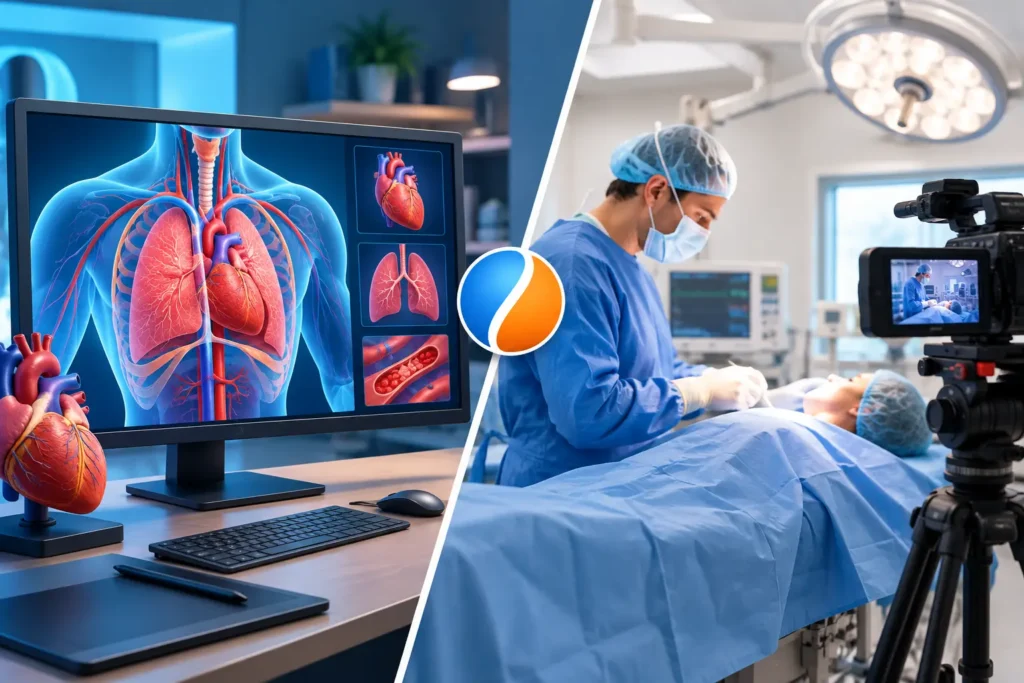
Modeling sets the foundation. Characters, products, props, and environments need to be built not only for appearance but also for function. A beautiful model that does not deform properly in animation or creates render bottlenecks can become a liability. That is especially true in film, TV, product marketing, and medical visualization, where precision is not optional.
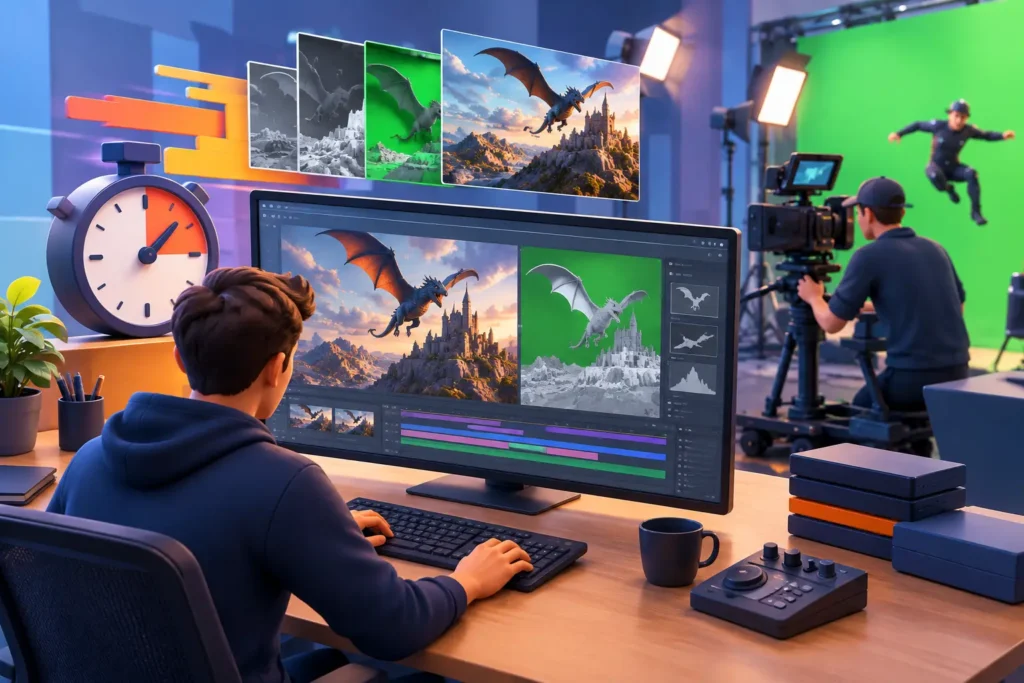
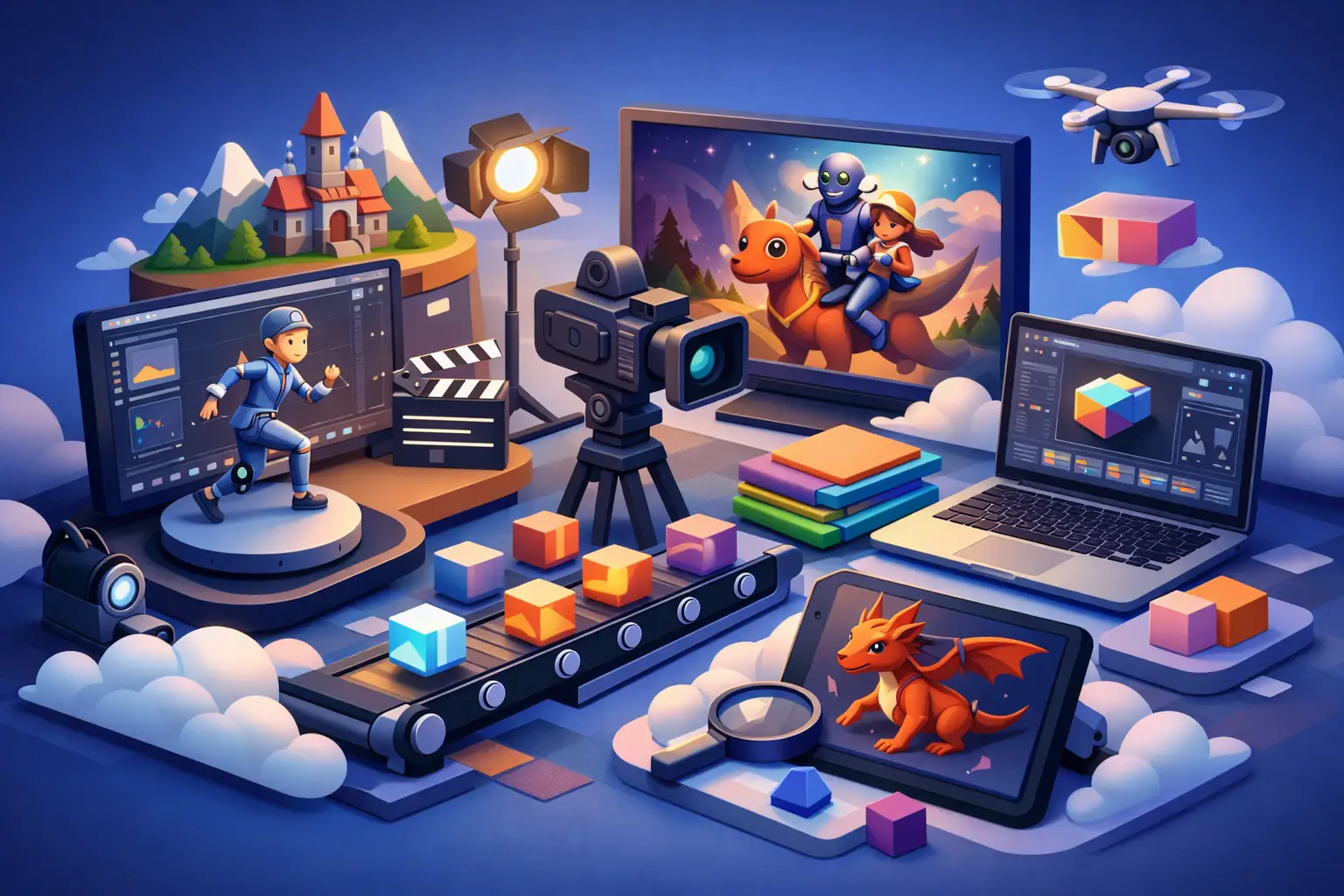
Rigging translates static assets into performance-ready tools. Animation then brings timing, movement, and emotional or functional clarity. Lighting and rendering shape the visual finish, while compositing and post-production align the final output with the intended look. Each stage requires specialists, but specialization alone is not enough. Production success depends on how well those specialists work within a coordinated system.
Why production bottlenecks happen
Most bottlenecks in 3D animation digital film production are not caused by software limitations. They come from planning gaps, inconsistent standards, and capacity constraints. A studio may have strong art direction but lack enough riggers. A brand team may know the product story it wants to tell but not have an internal pipeline for high-end 3D delivery. A production house may be able to handle concept and edit, but not the volume of asset creation needed for a campaign or episodic schedule.
This is where outsourcing becomes a practical business decision rather than a stopgap. An outsourced 3D team can expand available capacity without adding permanent overhead. It can also fill technical gaps that would take months to recruit internally. That matters when timelines are compressed and the work cannot afford a long learning curve.
Still, outsourcing is not automatically the right fit for every project. If a production requires daily in-room creative development with highly fluid direction, an internal team may retain more agility. But when the scope is clear, milestones are defined, and the need is scale plus execution, outsourced production support often performs better than a stretched in-house model.
The business case for outsourced 3D film production
For business buyers, cost is only one part of the equation. The larger advantage is operational control. A strong outsourced production partner gives clients access to a wider skill set, a more predictable workflow, and the ability to scale resources around actual project demand.
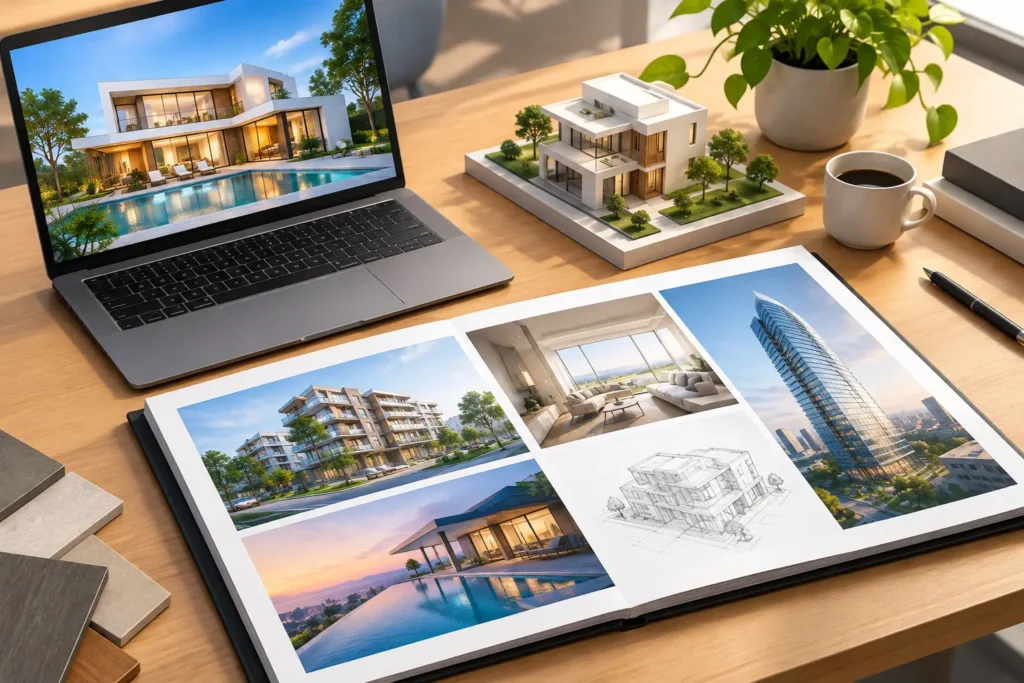
That flexibility is valuable across industries. A product company may need cinematic visuals for a launch campaign without building a full animation department. An architecture firm may need high-end flythroughs and environment work to support presentations and sales. A studio may need overflow help on modeling, rigging, or post-production to keep a release schedule intact. In each case, outsourcing works best when the partner can plug into an existing pipeline instead of forcing the client to adapt to a disconnected process.
The strongest providers do more than produce shots. They establish file standards, review checkpoints, approval structures, and communication rhythms that reduce risk. That process discipline protects creative quality because fewer errors make it further down the line.
How to evaluate a 3D animation digital film production partner
A polished showreel is useful, but it should not be the deciding factor. Business buyers need to look at production reliability just as closely as visual quality. Ask how the team manages revisions, how files are handed off, what happens when scope expands, and who is responsible for quality control at each stage.
Technical range matters too. A capable partner should be comfortable handling asset development, environment modeling, rigging, animation, texturing, lighting, rendering, and post-production in a connected workflow. If your project spans multiple deliverables, such as marketing videos, cinematic sequences, and still renders, integration becomes even more important.
It also helps to test communication early. Fast responses are good, but clear responses are better. Clients need realistic schedules, transparent feedback, and visibility into milestone progress. Missed details in pre-production usually turn into expensive corrections later.
For companies with recurring visual content needs, long-term fit matters more than one-off output. A partner that understands your brand standards, approval structure, and technical expectations will deliver more efficiently over time.
What a reliable workflow looks like
A reliable production workflow starts with scope definition. That includes deliverables, shot count, asset list, style references, technical requirements, and approval responsibilities. Without that structure, the project is vulnerable to revision creep and deadline drift.
Next comes pre-production alignment. This is where references, animatics, storyboards, or look-development samples help confirm direction before the full production load begins. It is a far less expensive stage to correct visual strategy than final animation or render.
Production should move through controlled checkpoints rather than long periods of silent work followed by a major reveal. Asset approvals, rig tests, animation previews, lighting samples, and edit reviews keep the project moving in smaller, manageable decisions. That creates a better client experience and a stronger final result.
Post-production is often underestimated, especially when teams are rushing toward delivery. But compositing, sound alignment, color consistency, timing adjustments, and format preparation all affect how polished the final piece feels. The last 10 percent of the process often determines whether the work looks merely complete or genuinely premium.
Where quality and efficiency meet
Some buyers assume speed and quality sit on opposite sides of the table. In reality, poor process is what usually forces that trade-off. A well-managed team with specialized roles, proven review stages, and clear technical standards can move quickly without lowering output quality.
That said, there are limits. Highly stylized character animation, effects-heavy sequences, or photoreal environments with complex simulations will naturally require more development time. The key is setting the right production strategy for the visual target. Not every project needs feature-level complexity, and not every budget supports it. The best production partners help clients identify where high detail creates value and where efficiency should take priority.
For commercial buyers, that balance is crucial. The goal is not to overspend on detail the audience will never notice. The goal is to invest where realism, motion clarity, or cinematic polish directly improves the impact of the final piece.
Why end-to-end capability matters
Fragmented vendors create friction. One team models, another rigs, another animates, another edits, and suddenly no one owns the full result. That setup can work on large productions with strong internal supervision, but many clients do not want the burden of managing multiple specialists across separate workflows.
An end-to-end partner simplifies that structure. When modeling, animation, environment creation, rendering, and post-production are coordinated under one production system, handoffs improve and accountability is clearer. That is especially useful for businesses with lean internal teams or fluctuating production volume.
This is where a service-led studio such as 3D Modeling Animation Studio fits well for many clients. The value is not only access to artists. It is access to a production framework that supports quality, speed, and continuity across different project types.
Choosing the right production model for your next project
The right model depends on your internal capacity, creative control needs, budget range, and delivery schedule. If your team has strong supervision but limited execution bandwidth, outsourcing selected stages may be enough. If you need a broader production extension, a full-service external team is often the more efficient move.
What matters most is alignment between creative ambition and production reality. Strong 3D work is built on more than visuals. It depends on planning, technical discipline, and a team that knows how to deliver under pressure. If your next project needs that combination, choose a partner that can bring both the artistry and the production structure to the table. That is what keeps a film moving forward when the timeline gets tight.