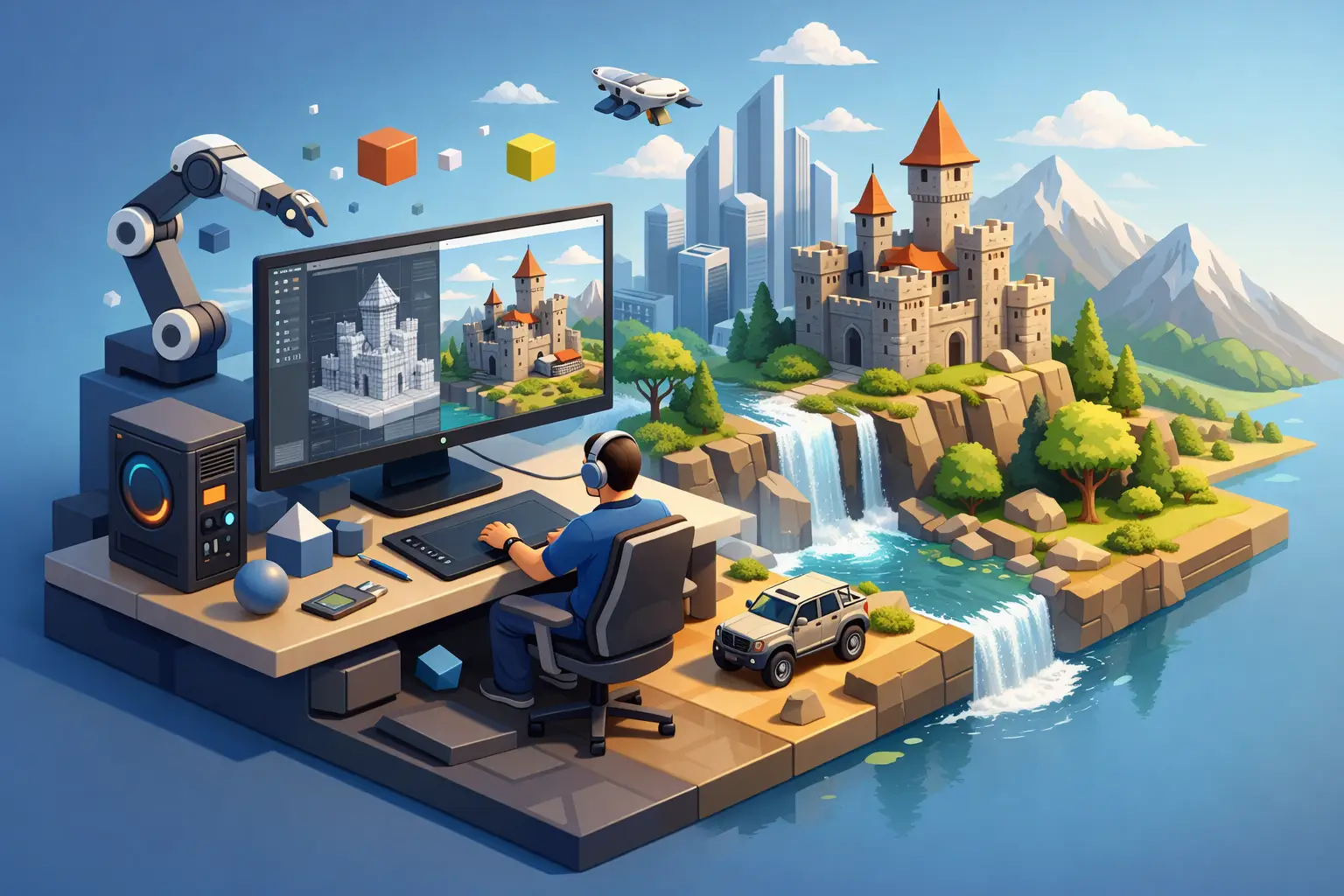
A convincing environment does more than fill the background. It sets scale, supports storytelling, guides camera movement, and gives every product, character, or structure a believable place to exist. That is why 3d environment modeling services matter to brands, studios, architects, and production teams that need more than attractive visuals – they need environments built to perform.
When environment work is handled well, it shortens production cycles and improves downstream results. Animation teams get cleaner assets. Marketing teams get more usable shots from the same scene. Architects get visuals that communicate design intent with clarity. Film and TV teams get digital spaces that hold up under scrutiny. The environment is not decoration. It is production infrastructure.
What 3D environment modeling services include
3D environment modeling services typically cover the planning, design, and production of digital spaces for a specific commercial or creative use. That can mean an urban streetscape for an animated sequence, an interior for an architectural walkthrough, a retail display for product marketing, or a realistic medical setting for educational content.
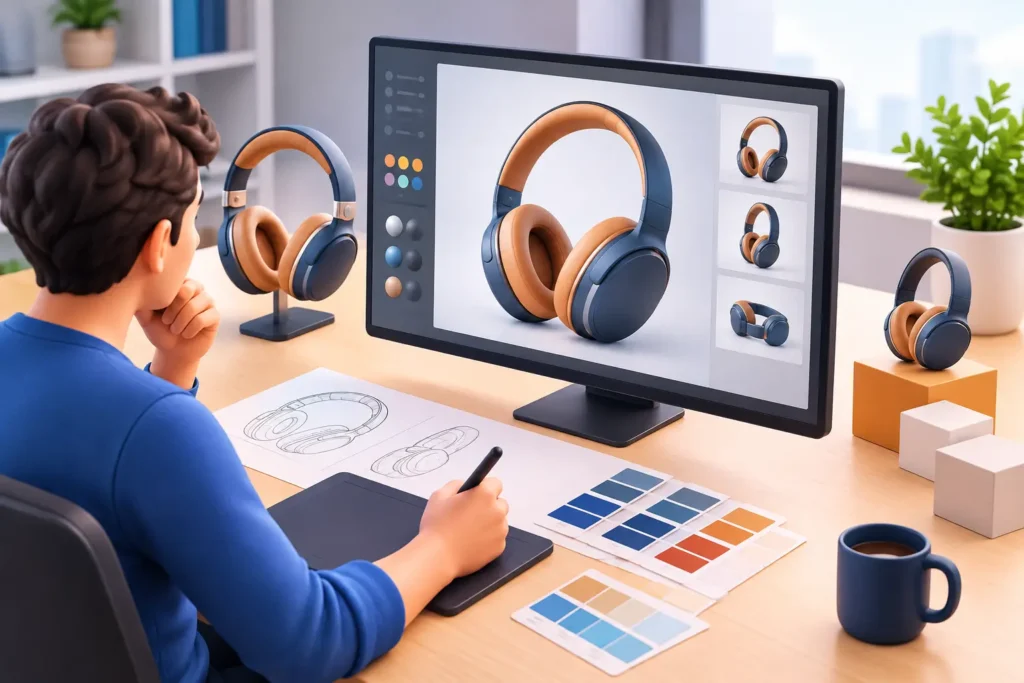
The scope usually starts with concept interpretation. A client may provide sketches, CAD files, mood boards, storyboards, technical drawings, or reference photography. From there, the production team translates those inputs into structured 3D assets, including terrain, buildings, interiors, props, set dressing, and supporting scene elements.
In many projects, modeling is only one part of the job. A complete environment production pipeline may also include texture creation, material setup, lighting preparation, layout optimization, rendering support, and scene organization for animation or post-production. That broader view matters because environment quality depends on how well all these parts work together.
Why businesses outsource environment production
For most companies, environment work is too specialized and too variable to justify a permanent in-house team at full scale. Demand spikes around launches, campaigns, visualizations, or production deadlines. Then it drops. Outsourcing gives decision-makers a way to add capacity without carrying long-term overhead.
That flexibility is only one advantage. An experienced external team brings production discipline, tested workflows, and cross-industry knowledge. A studio that has delivered environments for architecture, product visualization, film, and medical content can anticipate technical issues early, whether the challenge is polygon efficiency, realism, asset reuse, or camera-ready scene organization.
There is also a speed advantage, but only when the vendor is structured correctly. Fast turnaround is not about rushing. It comes from having dedicated artists, clear handoff stages, and review systems that prevent costly revisions late in production. For clients managing budgets and launch windows, that reliability often matters more than headline promises.
Where 3D environment modeling services create business value
The value of environment modeling changes by sector, which is why a one-size-fits-all approach usually underperforms.
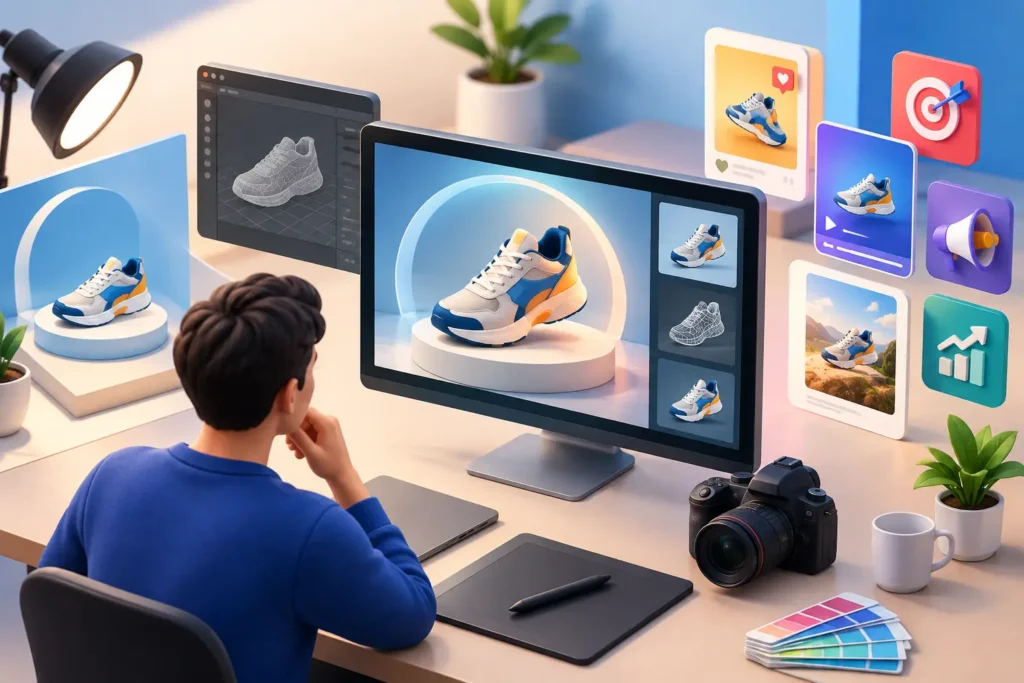
In product marketing, the environment frames the product and shapes perceived quality. A premium consumer item placed in a generic scene will not carry the same impact as one set in a carefully modeled retail, home, or lifestyle context. The environment influences mood, positioning, and realism, especially when the product itself is still in development or not available for photography.
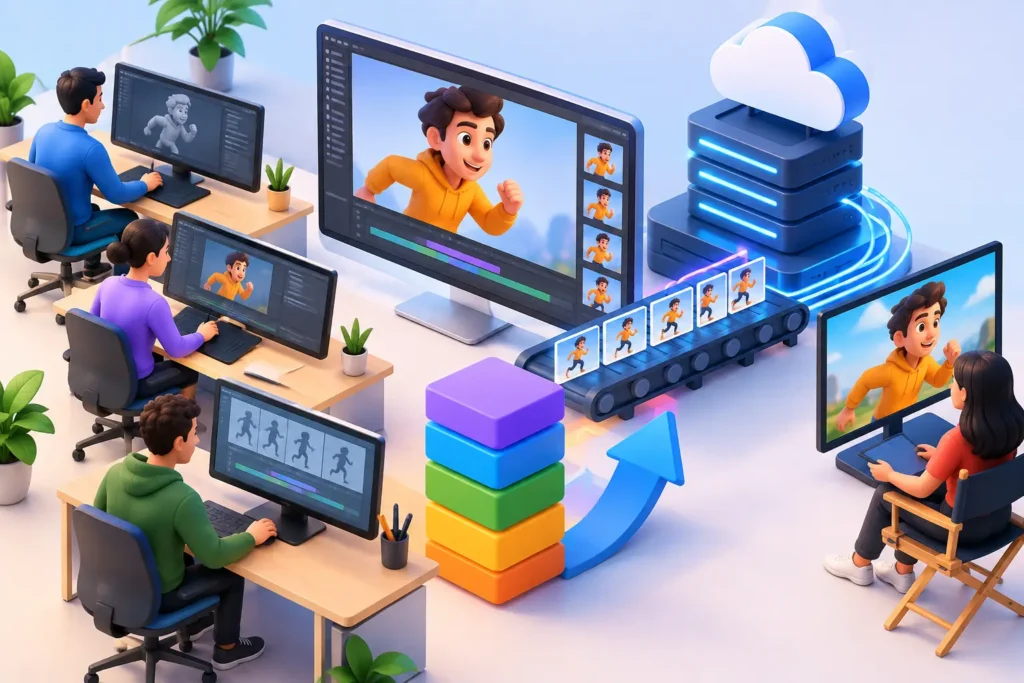
In film, TV, and animation, environments support continuity and scale. They need to work from multiple camera angles and often across multiple shots. That requires a stronger technical foundation than a one-off still image. Geometry needs to be clean, scene assets need logical naming and hierarchy, and the environment has to support lighting, movement, and revision without breaking the schedule.
In architecture, environment modeling helps stakeholders understand a project before it is built. Exterior context, surrounding landscape, interiors, furnishings, and lighting all affect how a design is perceived. Accuracy matters here, but so does presentation. A technically correct model that feels flat will not sell the concept.
In specialized fields such as medical visualization, the environment has to balance realism, clarity, and purpose. A surgical or laboratory setting must look credible, but it also has to support the educational or promotional objective. That means selective detail, careful composition, and disciplined asset creation.
What separates strong environment modeling from average output
Most buyers can spot obvious quality issues. Less obvious problems tend to surface later, when the project is already in motion. A scene may look good in a preview but become difficult to animate, expensive to render, or hard to revise.
Strong 3D environment modeling services account for both visual quality and production performance. The modeling should be proportionally accurate, structurally clean, and aligned with the intended use of the asset. A background environment for a still image can be built differently than a hero environment for animation or interactive media. That is where expertise matters.
Material quality is another separator. Surfaces should respond convincingly to light, but they also need consistency across the scene. Poor material setup can make even well-modeled assets look synthetic. The same goes for scale. If props, architecture, and spatial relationships are even slightly off, the viewer may not identify the problem immediately, but the environment will still feel wrong.
Scene optimization is equally important. Overbuilt environments slow production, especially when multiple stakeholders are reviewing changes. Underbuilt environments create visual limitations and force rework. The right level of detail depends on camera distance, delivery format, and reuse plans. Good partners make those decisions deliberately instead of defaulting to maximum detail everywhere.
How the production process should work
A reliable environment project usually starts with a clear brief. That includes intended use, visual style, technical specifications, delivery format, camera needs, timeline, and revision expectations. Vague inputs almost always lead to avoidable delays, so a capable vendor will ask detailed questions early.
The next stage is often look development or scene planning. This is where references are aligned, modeling priorities are set, and production assumptions are confirmed. On larger jobs, this step can prevent major budget overruns because it identifies complexity before full execution begins.
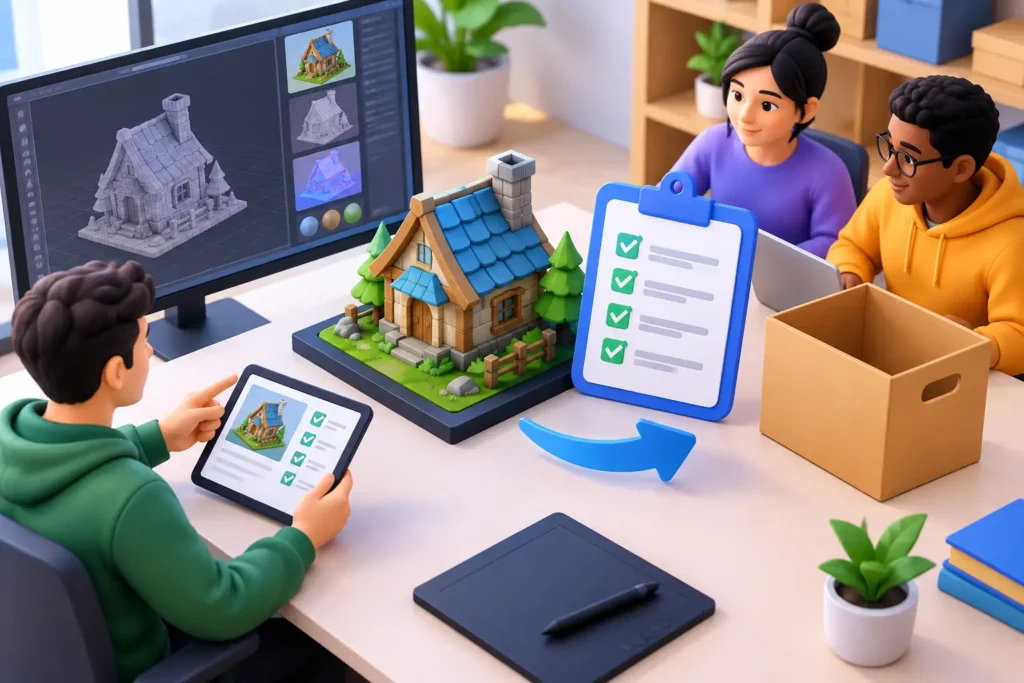
Modeling then moves into asset creation and environment assembly. Depending on the project, this may happen in phases so clients can review key elements before the full scene is completed. That approach is useful when multiple departments need approval, such as marketing, design, and production.
After approval, the environment may move into surfacing, lighting preparation, rendering, or handoff to another team for animation and compositing. The best workflows are transparent. Clients should know what is being delivered, when they will review it, and how changes will be managed.
Questions buyers should ask before hiring a partner
If you are sourcing 3D environment modeling services, portfolio quality is only the starting point. You also need to understand how the team works under real production conditions.
Ask whether the vendor has experience with your asset type and industry. A team that excels at cinematic scenes may not be the best fit for highly accurate architectural environments, and vice versa. Ask how they handle revisions, version control, file organization, and scalability if the project expands.
It is also worth asking what they need from you to keep the schedule on track. Strong vendors are usually specific here. They know which references matter, which approvals cannot slip, and where clients commonly create bottlenecks without realizing it.
Finally, ask about output readiness. Do you need final renders, source files, animation-ready scenes, or optimized assets for another pipeline? Misalignment on deliverables is one of the most common and expensive mistakes in outsourced 3D production.
Why the right partner saves more than time
Choosing the lowest-cost option can look efficient at the quoting stage and become expensive later. Environment work affects more than one department. If the scene is poorly structured, animation slows down. If the visuals are inconsistent, marketing revisions increase. If the technical setup is weak, rendering and post-production take longer than planned.
The right partner reduces those downstream costs. They build environments that support the broader production goal, not just the immediate task. That means stronger asset planning, better communication, and output that is ready for use instead of needing repair.
For businesses that need scalable external support, this is where outsourcing becomes a strategic advantage rather than a stopgap. A dependable production partner can extend internal capacity, maintain quality across fluctuating workloads, and keep complex visual projects moving without forcing you to expand headcount. That is the practical value behind professional environment modeling.
At 3D Modeling Animation Studio, that is the standard clients expect: precise execution, dependable turnaround, and environment production that supports business outcomes as well as visual quality. If your next project depends on a believable digital world, the best results usually start with a team that knows how to build for both the screen and the schedule.
The smartest environment decisions happen early, before revisions get expensive and deadlines get tight. If the scene has to sell, explain, or carry a story, treat it like a core production asset from day one.