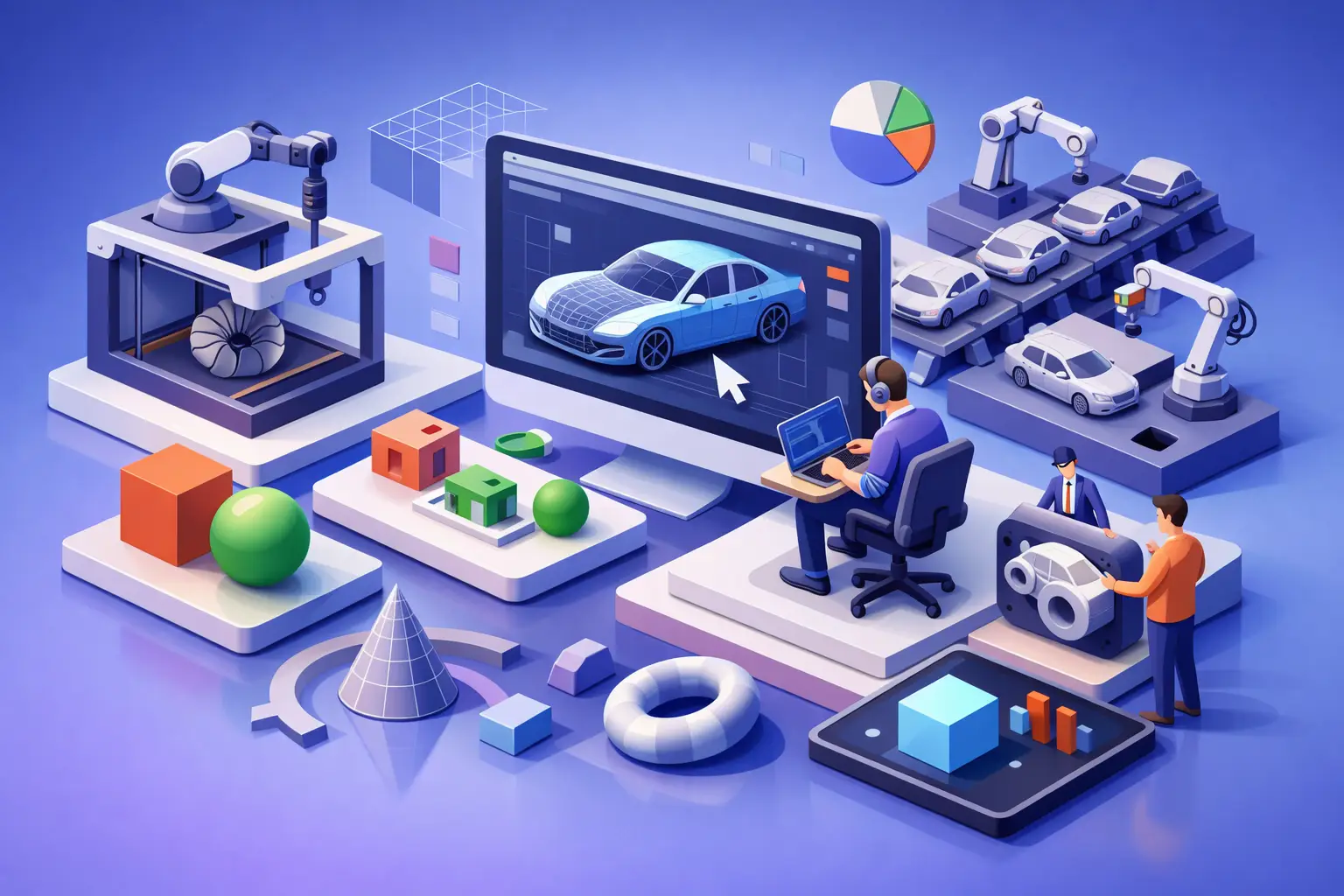
A product launch gets delayed, not because the concept is weak, but because the visuals are not ready. A studio wins new work, then realizes internal artists are already at capacity. An architecture team needs polished render-ready models before the next client review. This is exactly where 3d modeling services create business value – they add production strength without adding permanent overhead.
For companies that rely on visual assets to sell, explain, or produce, 3D modeling is not just a design function. It is part of the delivery pipeline. The quality of a model affects approvals, animation readiness, rendering efficiency, and ultimately how quickly a project moves from concept to market. When that work is outsourced to an experienced production partner, teams gain flexibility, specialized talent, and a more predictable path to completion.
What 3D modeling services actually cover
Many buyers use the phrase broadly, but the scope can vary a lot from one provider to another. At a professional level, 3D modeling services typically include creating custom digital objects, products, characters, environments, architectural spaces, and technical assets for use in marketing, entertainment, simulation, and visualization.
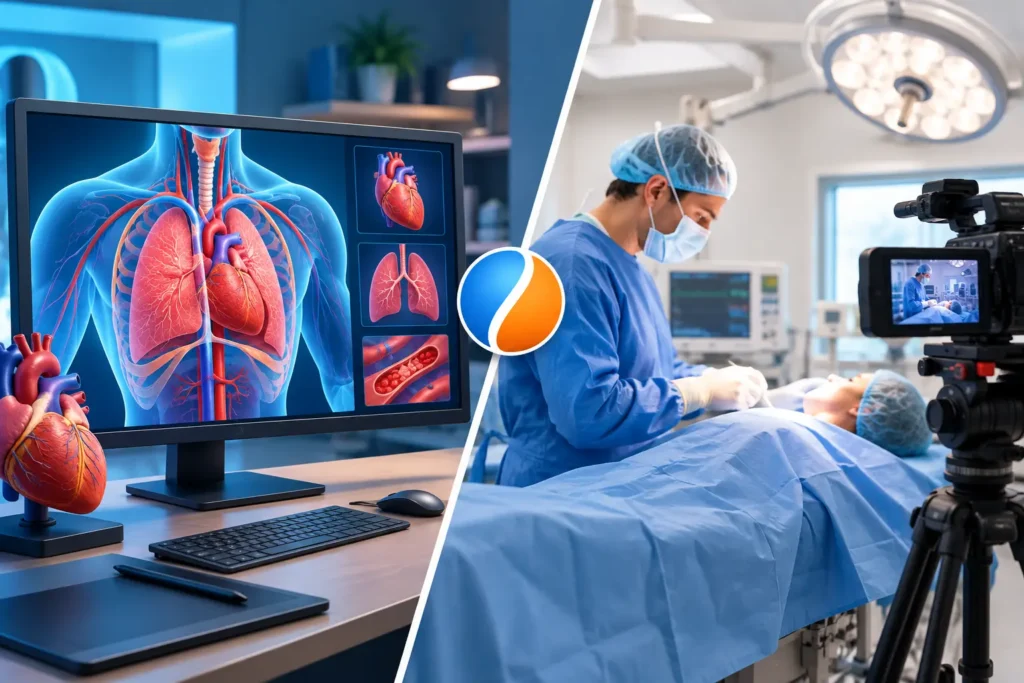
That sounds straightforward until real project requirements enter the picture. A marketing team may need clean product models optimized for photorealistic rendering. A game or animation pipeline may require topology that supports rigging and deformation. An architect may need accurate structural detail based on plans, elevations, and material references. A medical visualization project may require technical precision that goes far beyond what looks good on screen.
The best choice is rarely the team that can simply build a model. It is the team that understands how that model will be used next.
Why companies outsource 3D modeling services
Most businesses do not struggle because they lack ideas. They struggle because production bandwidth is uneven. Some months require a steady stream of product visuals, animation assets, or environment builds. Other periods are quieter. Hiring a full in-house team to cover those peaks is expensive, and underutilized talent quickly becomes a cost issue.
Outsourced 3D modeling services solve that capacity problem in a practical way. They let companies scale up when deadlines tighten, bring in specialized artists when technical requirements increase, and keep internal teams focused on higher-level direction rather than asset production. That matters for agencies, manufacturers, studios, and architecture firms alike.
There is also a quality argument. Strong outsourcing partners build pipelines around consistency, review cycles, file standards, and delivery requirements. That level of process control often makes the difference between a model that looks acceptable in isolation and one that performs correctly across rendering, animation, editing, and client approval stages.
Where outsourced 3D modeling makes the biggest impact
The value of outsourcing depends on the industry and the use case. In product marketing, custom models allow brands to generate visuals before manufacturing samples are ready. That shortens campaign timelines and gives teams more freedom to test angles, finishes, and presentation styles.
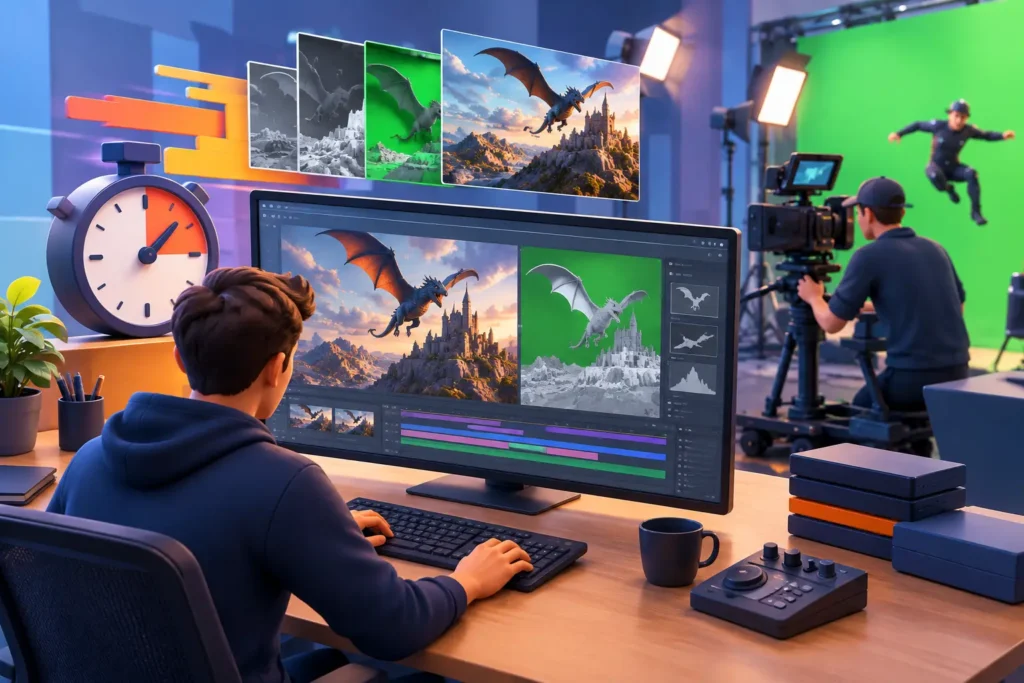
In film, TV, and animation production, outsourced support helps studios manage fluctuating asset loads. Environment builds, props, hard-surface models, and supporting elements can be developed externally while core creative leadership remains in-house. This keeps schedules moving without putting pressure on internal departments that are already booked.
In architecture and real estate, 3D models support rendering, walkthroughs, presentations, and stakeholder approvals. Accuracy matters here, but speed matters too. Delays in visual production can slow sales efforts, investor discussions, and design signoff.
Specialized sectors such as medical animation or technical visualization raise the bar further. These projects require precision, not approximation. The external team must understand reference interpretation, technical review, and how to translate complex subject matter into clear visual assets that are both credible and usable.
How to evaluate 3D modeling services
Price gets attention first, but it should not drive the decision by itself. A lower quote can become expensive if revisions drag on, files arrive in the wrong format, or assets need rebuilding for downstream use. Business buyers usually benefit more from evaluating fit, process, and reliability than from chasing the cheapest rate.
Start with technical alignment. Ask whether the team has experience with your type of asset, whether that means consumer products, furniture, machinery, characters, environments, or medical structures. Then look at workflow maturity. Can they work from CAD files, sketches, photos, storyboards, or architectural plans? Do they define milestones clearly? Are revisions managed efficiently? Can they deliver assets ready for rendering, rigging, animation, or post-production?
Communication is another practical filter. Good providers do not hide behind creative language. They explain scope, assumptions, timeline, dependencies, and handoff requirements in plain business terms. That matters when your internal team is balancing launch dates, approvals, and production schedules.
The trade-offs clients should understand
Outsourcing works best when expectations are clear. If the brief is incomplete, the review process is slow, or decision-makers are not aligned, even a highly capable external team will lose time. Fast turnaround does not mean skipping reference gathering, technical scoping, or approval checkpoints.
There is also a difference between speed and rush. A reliable partner can accelerate production through capacity and process. That does not eliminate the need for feedback rounds, quality checks, or use-case-specific optimization. A product model for still imagery may not be suitable for animation without additional work. An architectural model built for concept presentation may need another level of detail for close-up marketing visuals. It depends on the intended output.
This is why experienced buyers focus on production intent from the beginning. The more clearly the final application is defined, the better the modeling decisions will be.
What a strong production process looks like
Professional 3D modeling services should feel organized from the first conversation. The process usually begins with project scoping, reference review, and confirmation of deliverables. That includes dimensions, style direction, level of realism, software considerations, and file output needs.
From there, the modeling phase should move through structured checkpoints rather than a single reveal at the end. Early previews help confirm proportions, forms, and key details before the team invests time in refinement. This reduces avoidable revisions and keeps stakeholder feedback focused.
A mature provider also plans for what happens after modeling. If the project includes texturing, rigging, animation, rendering, or editing, those downstream needs should inform the model build from the start. That is where full-service partners have a clear advantage. They do not treat modeling as an isolated task. They build with the next stage in mind.
For businesses managing recurring content demands, this process discipline becomes even more valuable over time. Once naming conventions, approval workflows, visual standards, and delivery formats are established, production gets faster and more predictable.
Why end-to-end capability matters
Many vendors can model. Fewer can support the full production chain around that work. If a project requires modeling today and animation next month, switching providers can create handoff friction, quality inconsistencies, and duplicated effort.
An experienced partner with broader capability can reduce that risk. The same team can align modeling decisions with rigging requirements, rendering goals, compositing needs, and final delivery timelines. That is especially useful for brands and studios that need a repeatable production resource rather than a one-off freelancer.
This is one reason companies choose partners like 3D Modeling Animation Studio. The advantage is not just access to artists. It is access to a production system that can support modeling, animation, environment development, rendering, and post-production under one roof.
3D modeling services as a growth tool
For decision-makers, the real question is not whether 3D modeling has value. It is whether the production model supports growth. If internal teams are overloaded, launch schedules are slipping, or new opportunities are limited by bandwidth, external support becomes a commercial decision, not just a creative one.
The right 3D modeling services help companies respond faster, present better, and take on more work with confidence. They create room for internal teams to lead strategy while trusted specialists handle asset production with technical precision and reliable turnaround.
When visual quality affects sales, approvals, and delivery speed, the strongest partner is the one that makes production easier to manage and easier to scale. That is where outsourcing stops being a backup plan and starts becoming a smarter way to operate.