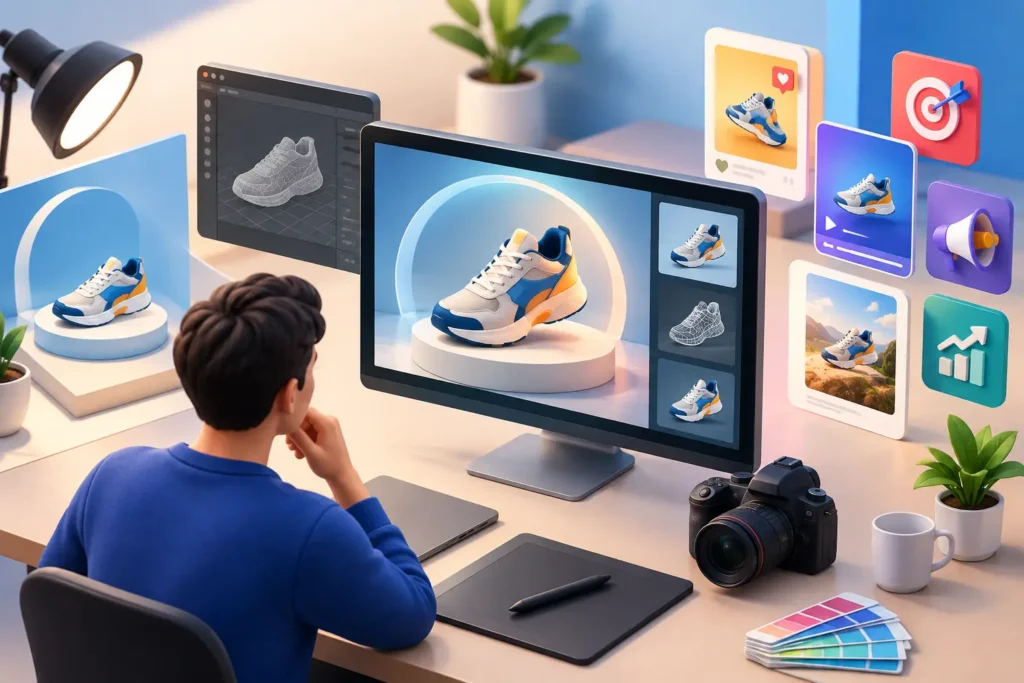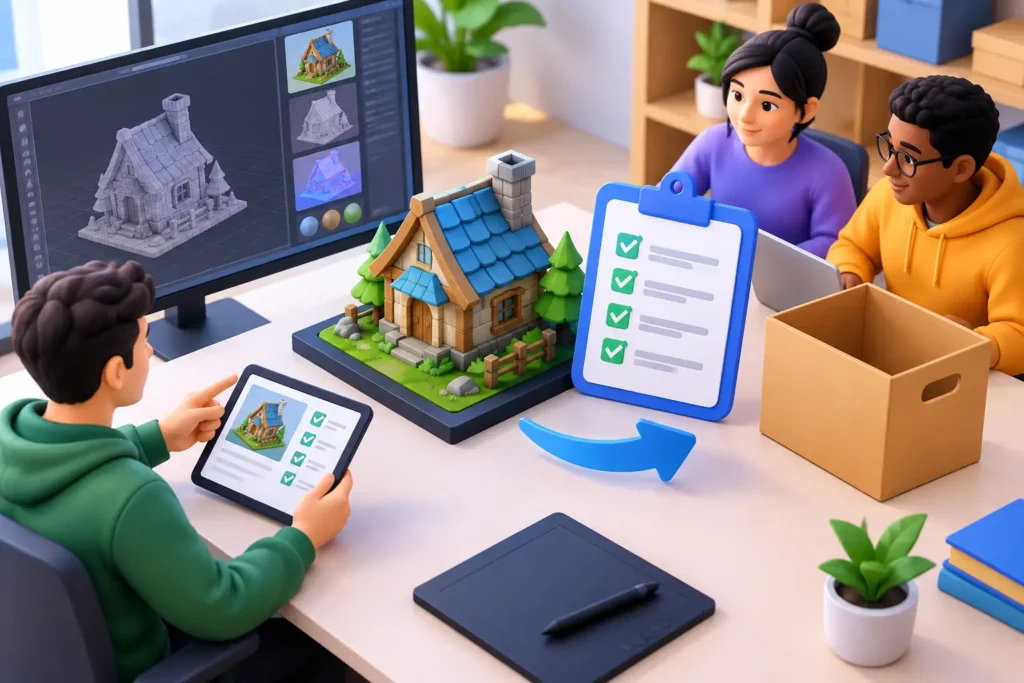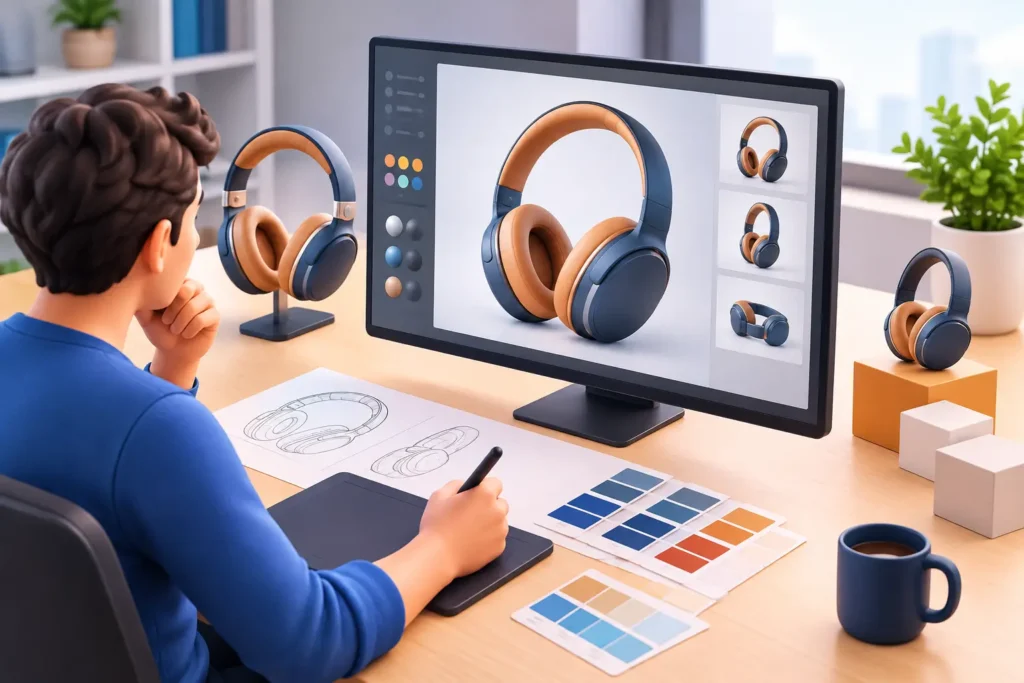
A product launch is six weeks away, the internal team is already committed, and the campaign needs photoreal animation, motion graphics, and final edits in multiple formats. This is where 3D animation outsourcing trends become a practical business issue, not a creative talking point. Buyers are looking for external teams that can add capacity quickly while protecting visual quality, brand consistency, and delivery dates.
The shift is not simply about finding lower-cost production. Brands, studios, architects, and specialized companies increasingly outsource because 3D work demands a broad mix of skills that is difficult to maintain in-house year-round. Modeling, rigging, animation, lighting, simulation, rendering, compositing, and editing each require experienced specialists. The most effective outsourcing relationships bring those disciplines together under one accountable production process.
3D Animation Outsourcing Trends Driving Buyer Decisions
Flexible capacity is replacing fixed headcount
Many companies no longer want to build a large permanent animation department for demand that changes month to month. A marketing team may need a single product animation this quarter, then a full library of launch visuals next quarter. A production house may need extra rigging and layout support during a peak season but not after final delivery.
Outsourcing gives decision-makers the ability to scale production resources to match the project. This can reduce the cost and management burden of recruiting, onboarding, licensing, and retaining a full internal team. It also gives clients access to production capacity when timelines tighten unexpectedly.
However, flexibility only works when the external partner has a clear resource plan. Ask how the studio assigns artists, manages competing client deadlines, and handles revisions. A low initial quote has limited value if the vendor cannot maintain pace during the final delivery window.
End-to-end production is becoming more valuable
Clients are moving away from fragmented workflows where one provider creates models, another handles animation, and a third completes post-production. Every handoff introduces interpretation risk, file-management issues, and potential schedule delays. For commercially important visuals, those gaps can become expensive.
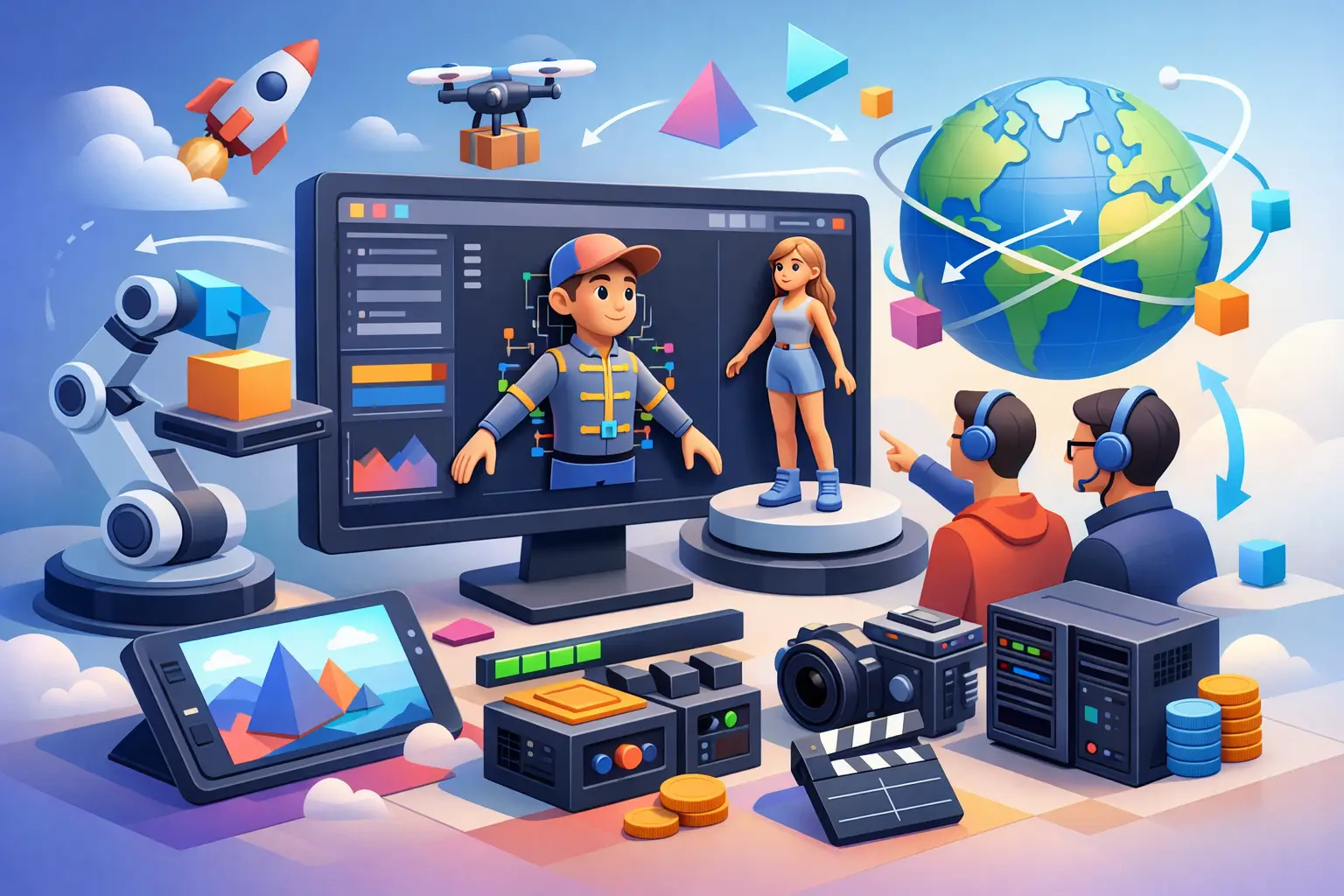
The demand is growing for partners that can manage the complete production pipeline, from concept support and asset creation through rigging, animation, rendering, compositing, video editing, and final exports. A centralized team can maintain continuity in materials, camera language, lighting, motion style, and technical settings.
This does not mean every project needs a full-service arrangement. A studio with a strong internal creative lead may only need production support for environment modeling or character animation. The better approach depends on where your team has expertise and where capacity or technical capability is limited. The key is defining ownership before work begins.
Specialized 3D expertise is becoming a procurement priority
Generic 3D capability is no longer enough for many projects. Medical animation requires scientific accuracy and careful visual communication. Architectural rendering needs credible scale, materials, lighting, and spatial context. Product visualization needs exact geometry, manufacturing details, and a polished presentation that supports a brand’s market position.
As a result, buyers are placing more weight on industry-specific experience. They want to know whether a production team understands the approval process, technical standards, and audience expectations associated with the work. A visually impressive animation can still fail if a medical mechanism is inaccurate or a product configuration does not match the final design.
This trend favors outsourcing partners with broad service coverage and proven technical depth. It also changes the discovery conversation. Instead of asking only for a portfolio, clients should ask how the team validates reference materials, manages subject-matter review, and documents revisions.
AI Is Changing the Workflow, Not Replacing Production Judgment
AI-assisted tools are entering more stages of 3D production, including concept development, reference generation, rotoscoping, texture ideation, cleanup, and certain post-production tasks. Used correctly, these tools can shorten repetitive work and help teams test directions earlier.
But AI does not eliminate the need for experienced artists, technical directors, and production managers. Commercial 3D animation still depends on controlled geometry, accurate materials, clean rigs, purposeful movement, consistent lighting, and final quality assurance. Those requirements are especially important when assets will be reused across campaigns, product variations, or broadcast deliverables.
The practical trend is not fully automated 3D production. It is a more efficient hybrid workflow in which teams use automation where it saves time, then apply human judgment where precision matters. Clients should expect transparency about how AI is used, particularly when brand assets, confidential product designs, or regulated subject matter are involved.
A capable outsourcing partner should be able to explain which workflow steps benefit from AI support and which remain under direct artist control. That clarity helps protect both production quality and intellectual property.
Faster Turnaround Requires Better Pre-Production
Speed remains one of the strongest reasons to outsource, but fast delivery does not come from rushing animation after a brief is approved. It comes from reducing uncertainty before the production team begins detailed work.
The best-performing projects establish a clear creative and technical foundation early. This includes approved references, script or storyboard direction, product files, brand guidelines, target formats, camera expectations, and review milestones. When stakeholders align at this stage, the animation team can move forward with fewer disruptive changes.
A common mistake is treating feedback as an open-ended process. It is more effective to identify who has final approval, what each review stage covers, and how consolidated feedback will be delivered. For example, an early animatic review should focus on timing, sequence, and camera logic. It is not the right point to introduce major product-design changes that should have been resolved during modeling.
Global outsourcing teams can provide around-the-clock production momentum, but time zone coverage is only useful with disciplined communication. Shared project trackers, organized file naming, written approvals, and scheduled review windows prevent delays from shifting between teams.
Asset Reuse Is Becoming Part of the Outsourcing Brief
More clients are commissioning 3D assets for long-term use rather than one campaign only. A high-quality product model can support animation, still renders, configuration visuals, social media edits, training content, ecommerce assets, and future product updates. Character rigs and environment assets can also become reusable production libraries.
This changes how an outsourcing project should be scoped. The immediate video may be the priority, but asset structure matters if the work will be reused. Clients should clarify required software formats, texture organization, naming conventions, polygon budgets, rig controls, and rights to source files before production starts.
Building reusable assets may require additional investment at the beginning. It can also reduce costs and turnaround time across future campaigns. The decision depends on the expected life of the product, the number of planned content variations, and whether internal or external teams will continue using the assets.
Quality Control Is Moving Earlier in the Pipeline
Clients are less willing to accept quality checks only at the final render stage. By then, correcting a model error, rigging issue, or animation problem can affect the entire schedule. Outsourced production is increasingly managed through staged quality control, with approval gates for modeling, look development, animation, lighting, and final compositing.
This approach is particularly useful for high-detail product visualization and technically sensitive animation. It gives stakeholders the ability to validate the right elements at the right time, rather than reviewing every issue at once in a final video file.
When selecting a partner, look beyond showreels. Ask about their review process, revision policy, file security practices, render capacity, and final delivery checks. A reliable studio should be comfortable discussing how it prevents errors, not just how it responds after they occur.
What a Strong Outsourcing Partnership Looks Like
The strongest external production teams operate as an extension of the client’s workflow. They bring creative execution, but they also bring scheduling discipline, technical direction, and straightforward communication. That combination matters when a project has commercial stakes and limited room for delay.
For clients evaluating providers, the decision should balance cost with capability, process, specialization, and responsiveness. The cheapest vendor may be appropriate for simple, low-risk work. For a flagship product film, an architectural presentation tied to a major pitch, or a medical animation requiring accuracy, experienced oversight is usually the better investment.
3D Modeling Animation Studio supports this model with outsourced modeling, rigging, animation, post-production, environment work, video editing, and architectural rendering under one production team. For businesses managing changing workloads, this creates a practical path to high-quality visual output without adding permanent internal overhead.
The next outsourcing brief should not start with, “How many seconds of animation do we need?” Start with the business outcome, the approval path, and the future value of the assets. That gives the production team the direction it needs to create work that performs long after the first delivery date.