A character can look polished in a still frame and still fail the moment it moves. A stiff shoulder, unclear facial expression, or poorly timed reaction can weaken an otherwise strong campaign, film sequence, product demo, or training video. That is why choosing a character animation studio is not simply a creative decision. It is a production decision that affects schedule, revision cycles, technical compatibility, and the final impact of your message.
For brands, agencies, production houses, and studios with limited internal capacity, the right partner provides more than animators. It provides a reliable pipeline for turning concepts, models, and scripts into character-driven visuals that are technically sound and ready for delivery.
What a Character Animation Studio Should Deliver
Character animation combines performance, storytelling, and production discipline. Whether the project involves a stylized mascot, a realistic digital human, a medical explainer, or a game-ready asset, the work must make a character feel intentional from the first pose through the final render.
A capable studio begins by understanding the commercial purpose of the animation. A social campaign may need a fast, expressive performance designed for short viewing times. A film or television sequence may require detailed body mechanics, subtle facial acting, and continuity across multiple shots. Product marketing often calls for a character that guides the viewer without distracting from the product itself.
That purpose determines the right level of detail. Not every project needs feature-film realism, and paying for it when the audience will view the content on a mobile screen can add cost without improving results. At the same time, a high-value product launch or cinematic brand film may need advanced facial animation, cloth simulation, hair dynamics, and premium lighting to meet audience expectations.
The best production approach matches creative ambition to the actual use case, distribution channel, and delivery deadline.
The Pipeline Behind Effective Character Animation
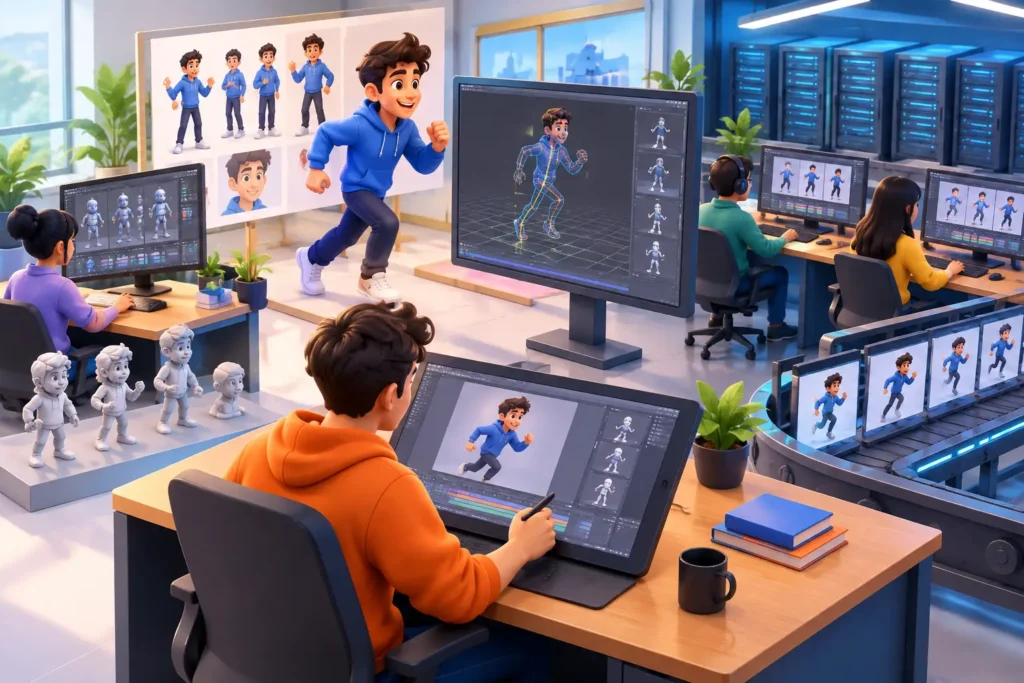
Strong animation is built long before the first keyframe. A clear workflow reduces uncertainty, keeps feedback focused, and prevents late-stage technical problems that can delay delivery.
Creative planning and performance direction
The process should start with a brief that defines the character’s role, personality, audience, visual style, and required actions. Reference videos, storyboards, animatics, and shot lists help align stakeholders before the team commits to detailed animation.
This stage is particularly valuable when several people are approving the project. Marketing teams may focus on brand consistency, while creative directors assess visual quality and production leads track timing and scope. A practical plan gives each group a clear basis for feedback.
For dialogue-driven content, voiceover should be finalized as early as possible. Changes to timing or language after facial animation begins can create additional work across lip sync, expressions, gestures, and shot timing.
Modeling, rigging, and technical readiness
If a client already has a character model, the studio must evaluate whether it is suitable for animation. A visually attractive model may still have topology issues, missing facial controls, inconsistent proportions, or textures that do not hold up in close shots.
Rigging gives the model its usable control system. A professional rig allows animators to move the body naturally, create believable deformations, pose hands, direct eye movement, and produce facial expressions without breaking the character’s form. For realistic characters, skin weighting and joint behavior are especially important. For stylized characters, the rig may need exaggerated squash, stretch, and flexible proportions.
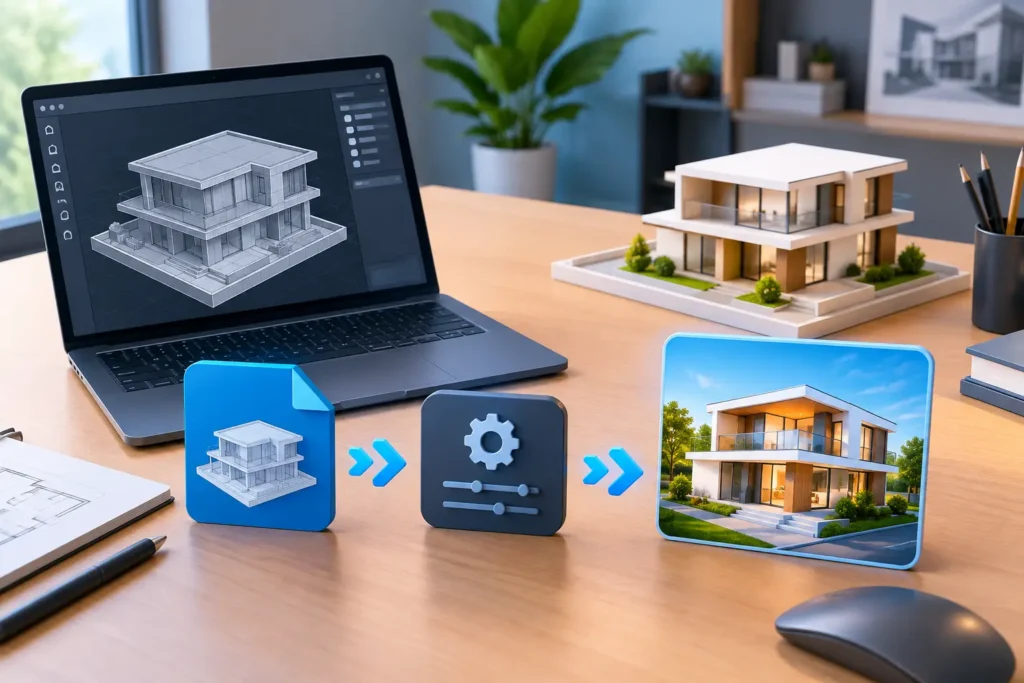
Technical decisions also depend on where the asset will be used. A game engine requires different optimization than a pre-rendered commercial. An architectural visualization may prioritize visual realism, while a medical animation may demand anatomical accuracy and reviewable scientific detail. Early technical review prevents the common problem of rebuilding assets after animation has already started.
Blocking, refinement, and final animation
Animators typically begin with blocking: the major poses, actions, camera relationships, and timing that establish the performance. This is the most efficient point for clients to comment on pacing, body language, and storytelling.
Once the motion is approved, the team refines transitions, weight, balance, hand movement, eye direction, and facial performance. Small details matter here. A pause before a reaction, a shift in posture, or a properly directed glance can make a digital character feel present rather than mechanical.
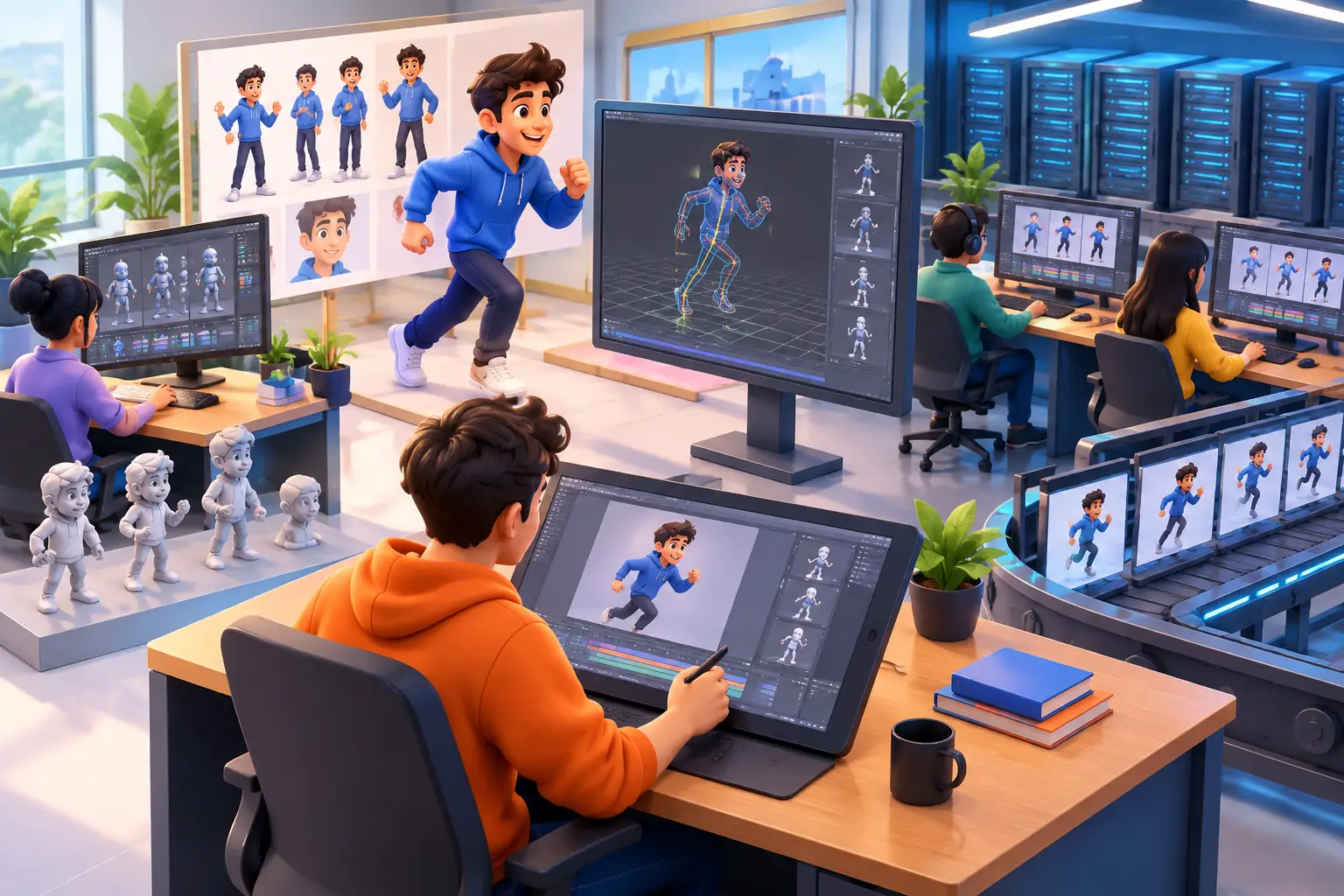
The final stage may include simulation, lighting, rendering, compositing, sound integration, editing, and delivery in the required formats. When these services are coordinated under one production team, there are fewer handoffs and fewer opportunities for quality to drift between departments.
Why Outsource Character Animation Production?
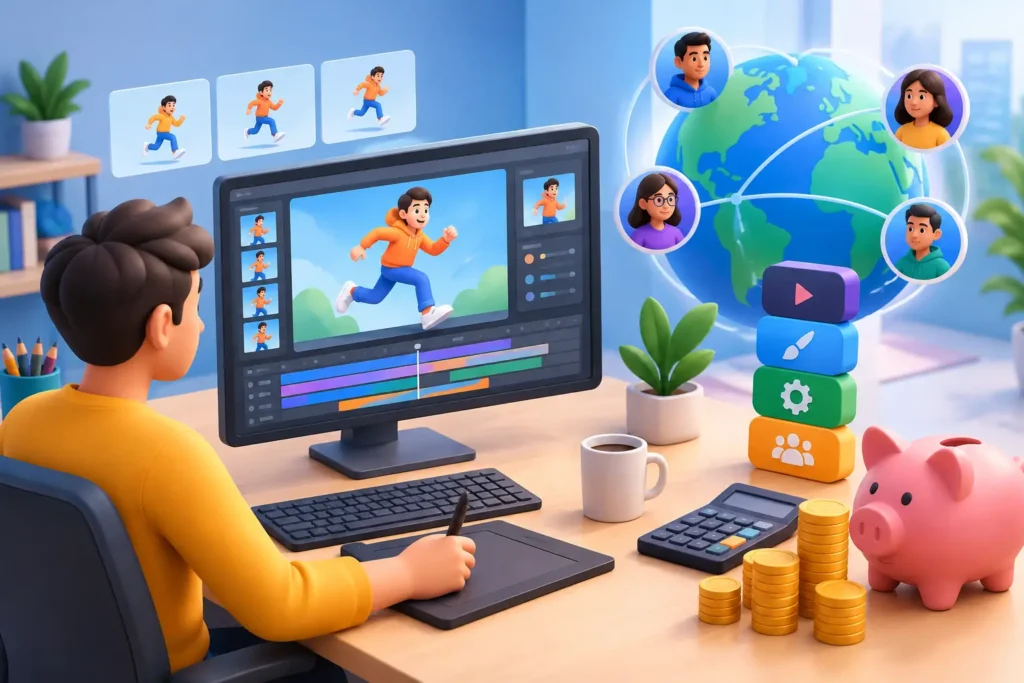
Building an internal animation team gives companies direct control, but it also creates fixed costs, recruitment demands, software investments, and capacity challenges. Animation workloads rarely stay constant. A brand may need major support for a launch, then require little or no character work for months. A production studio may have a sudden overflow of shots that cannot wait for new hires.
Outsourcing gives decision-makers access to specialized talent when the project requires it. An external team can scale from a short animated explainer to a multi-shot campaign, with modelers, riggers, animators, lighting artists, compositors, and editors working within an established workflow.
The value is not only lower overhead. It is production flexibility. A trusted partner can add capacity during a deadline-driven period, work from existing assets, or manage a project from concept through final post-production. This helps internal teams stay focused on strategy, client relationships, creative direction, and approval management.
However, outsourcing works best when the scope is clear. Vague objectives, incomplete reference material, and open-ended revision expectations can affect budgets and schedules regardless of the vendor’s skill. The strongest client-studio relationships treat the external team as an extension of the production department, with agreed milestones and direct communication.
How to Evaluate a Character Animation Studio
A portfolio matters, but it should not be the only deciding factor. A reel can show strong visuals without showing whether the studio can manage feedback, maintain consistency across a campaign, or deliver production files on time.
Ask how the team handles pre-production, asset evaluation, review rounds, and version control. Clarify who owns the final assets, what source files are included, and which output formats are available. If the project involves existing characters, confirm that the studio can work with your software, rig standards, engine requirements, or render pipeline.
It is also useful to review experience relevant to your sector. A character created for a consumer brand may emphasize warmth, speed, and broad appeal. A medical project requires careful review of movement, anatomy, and terminology. A film production may need shot continuity, detailed acting, and dependable integration with an established pipeline. Industry experience does not replace creative ability, but it reduces the learning curve.
Finally, evaluate communication. The best choice is a studio that can explain trade-offs clearly. If a requested effect will affect render time, asset complexity, or delivery dates, you should know early. Transparent production guidance protects the project better than unrealistic promises.
Getting Better Results From Your Animation Brief
The quality of the brief directly affects the efficiency of the animation process. Provide the intended audience, platform, duration, brand guidelines, script, visual references, and a clear description of what the viewer should understand or feel. If there are non-negotiable details, such as a product feature, safety requirement, or character behavior, identify them at the start.
Feedback should be consolidated whenever possible. Conflicting notes from multiple stakeholders can create unnecessary revisions and make it difficult for the animation team to identify the final creative direction. Assigning one approval lead or using a structured review process keeps decisions moving.
It also helps to separate preference from requirement. A requested change may be essential to brand accuracy, or it may be one person’s stylistic preference. Both are valid, but distinguishing between them helps teams prioritize revisions that improve the business outcome.
3D Modeling Animation Studio supports this process with end-to-end modeling, rigging, animation, post-production, and rendering services tailored to each project’s creative and technical needs. The goal is not simply to create motion. It is to deliver character animation that fits your production pipeline, communicates clearly, and meets the standard your audience expects.
The right character performance gives viewers a reason to pay attention. Give it a production process that is just as deliberate.