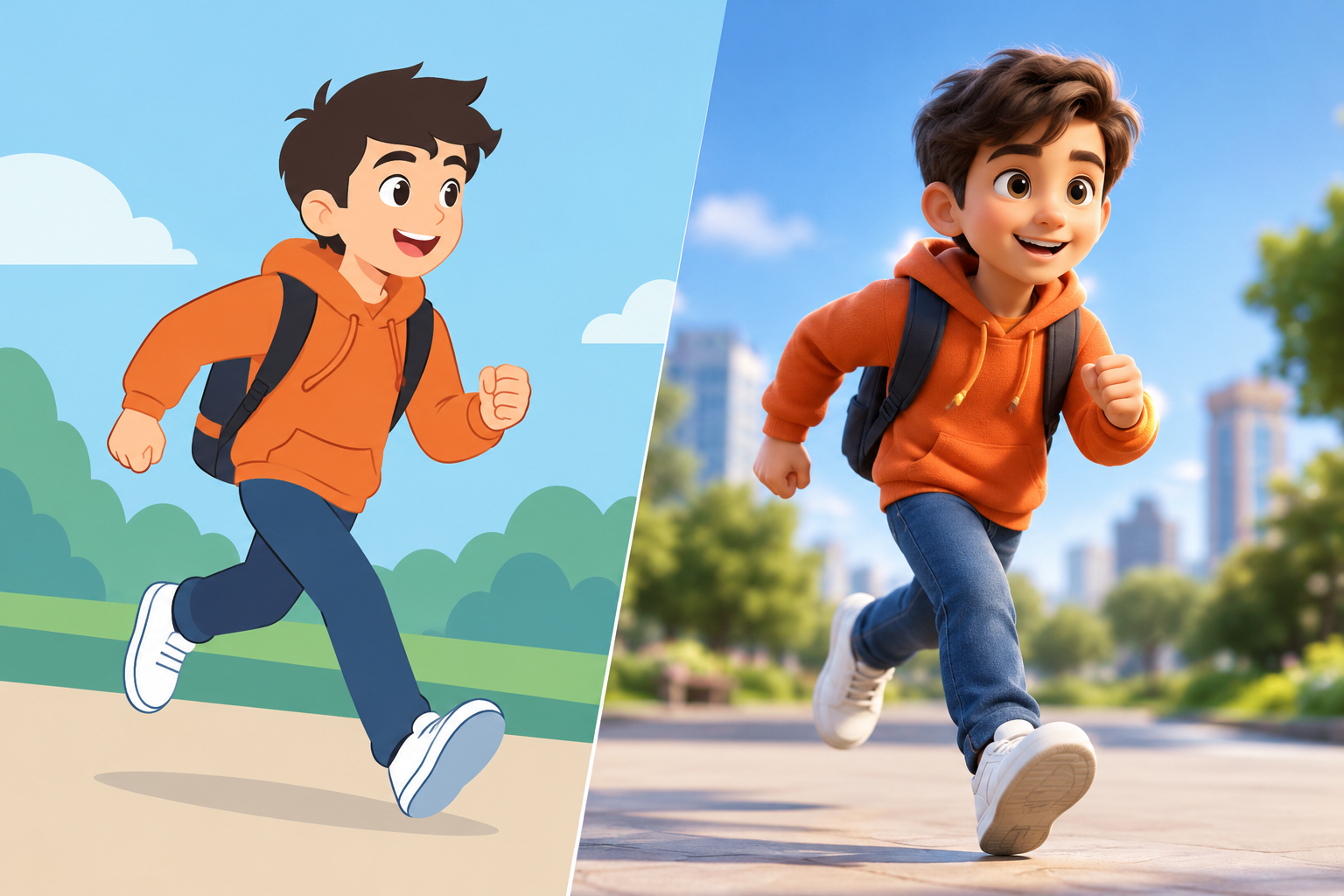
While planning an animated film, a marketing project, an online game, or wanting to display your products, it’s really important to know the difference between 2D vs 3D Animation, so you can choose the direction that suits you best.
Both types of animation brings your set and characters to life; however, the visuals, aesthetic, and vibe completely change from 2d to 3d.
Knowing the Difference Between 2D and 3D Animation can help businesses, directors, creators, and aspiring animators choose which type of animation would work best for them.
Here’s everything you need to know for making an informed decision:
How 3D Animation Works: Advantages, Uses, and Limitations?
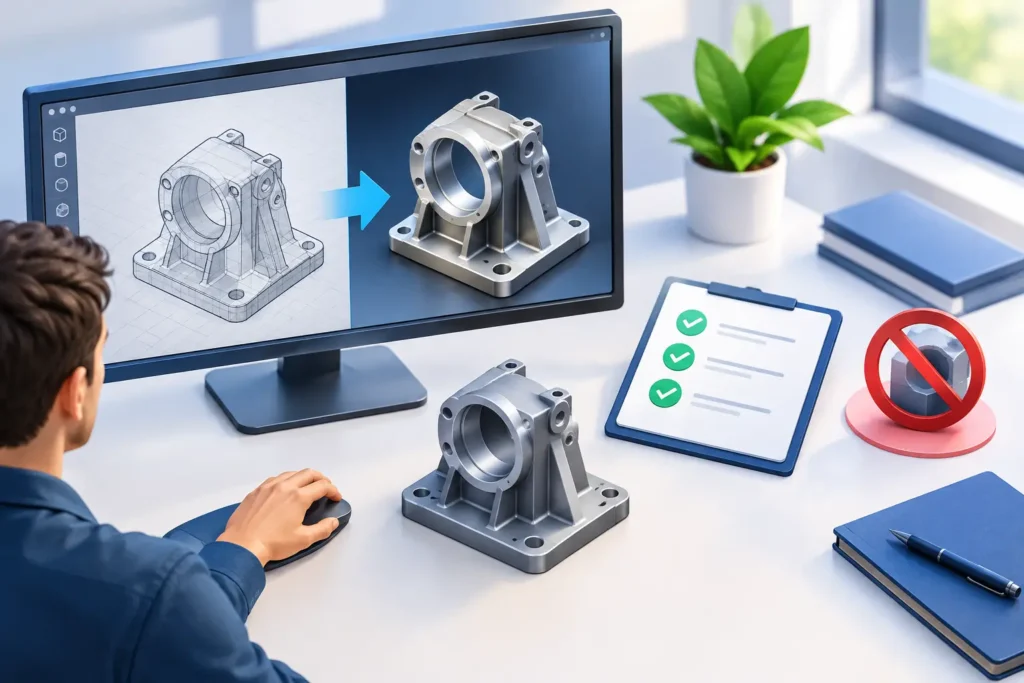
3D animation refers to the method of positioning digital figures in a three-dimensional virtual environment and animating the figures through the utilization of dedicated software.
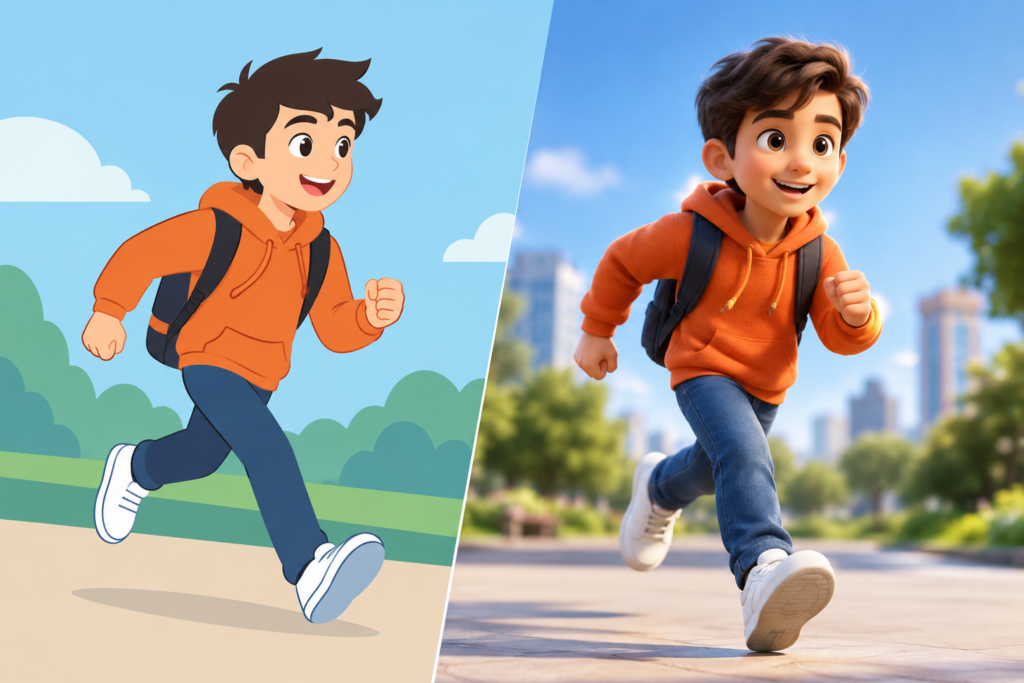
Unlike 2D animation, which is based on flat, traditional drawings, 3D animation uses three-dimensional objects that possess depth, which enables the user to rotate and view them from all sides, similar to a puppet.
Pros Of 3D Animation
- Realistic visuals, with detailed texture and enhanced lighting
- Reusable digital models that can be used in various scenes
- Flexible character movement in a three-dimentinal environments
3D Forms of Animation Are Mostly Used In:
- Game making, especially immersive and AAA games
- Filmmaking, for detailed characters and backgrounds
- Architectural videos, for animating interiors and exteriors of spaces
- Advertising a product through fun visuals
Cons Of Producing 3D Animation
- High cost: More complicated projects cost more.
- Technical difficulties: The process of creating 3D images is complicated.
- Longer periods of time: More time is needed to create movies.
What Is 2D Animation? Its Pros, What It’s Used For, and Its Drawbacks
2-D animation moves through a flat, two-dimensional space. It can either be sequences of traditional hand-drawn artwork or sequences of digital artwork using specific software to animate. It can take the form of simple motion graphics or complex, expressive animated sequences.
Pros of 2D animation
- Unique style: Drawing provides a unique visual identity.
- Dynamic Narrative: Over-exaggerated movements can very well show feelings.
- Wide range of uses: It’s a great medium for both education and commercial production.
Where Can You Find 2D Animation?

2D animation is a favorite for projects that require clear communication, stylized storytelling, or beautiful, plainly drawn art, such as:
- Cartoons: See drawn characters come to life.
- Explainer animations: Break down teaching concepts with ease.
- Education: Help students learn by watching.
- Advertising: Develop impactful advertising films.
- Motion graphics: Bring text, icons, and drawings to life.
Disadvantages of 2D Animation
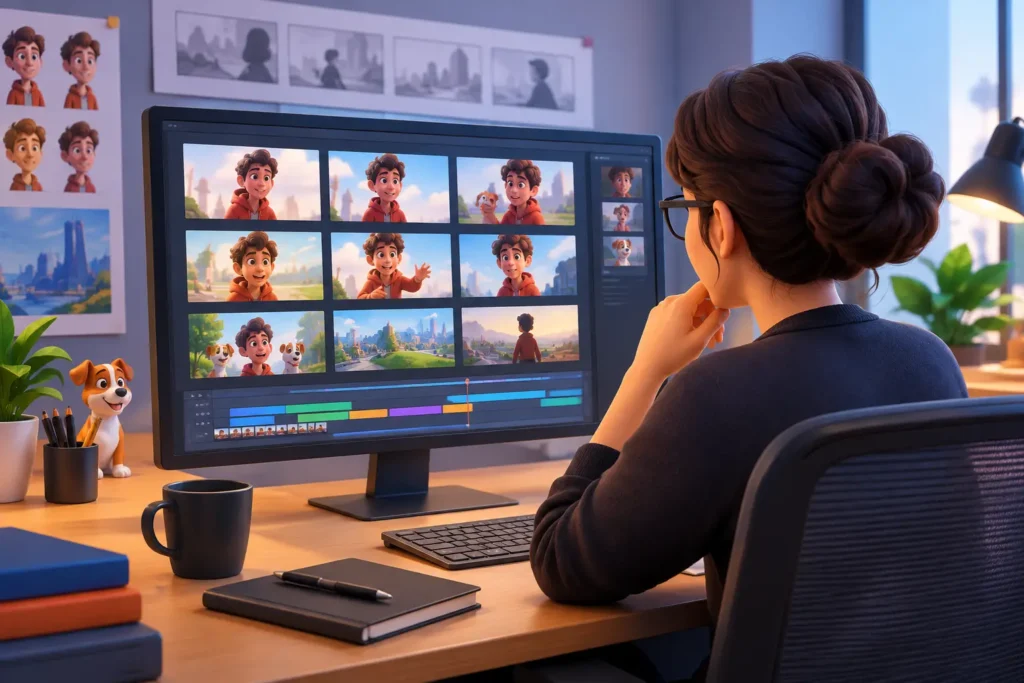
Traditional 2D animation needs substantial sketches and revisions. Even with new online software, processes can still require thoughtful planning to achieve consistency of characters and movements.
- Frame-by-frame work: the drawings can require a lot of work.
- Problems with continuity: uniformity of character appearance should be maintained.
- Complexity in action: complicated movements can be time-consuming.
2D vs 3D Animation: Popular Films And Cases
Looking at some relatable entertainment examples will make understanding 2D Animation Vs 3D Animation easier to understand. Both methods have given us unforgettable films, cartoons, and games, but visually are worlds apart.
Iconic 2D animation works
Traditional 2D animation is a creation where each frame is created with painting or drawing, resulting in unique art styles.
1. Notable Movies
The Lion King (1994): Established by its hand-drawn characters and emotive expressions Spirited Away (2001): Merges extensive depictions with creative tales.
2. Popular Cartoons
Tom and Jerry: Very expressive characters and visual humor. SpongeBob SquarePants: Colorful characters and exaggerated, stylized animation.
3. Famous Games
Cuphead: Classic cartoon-inspired visual design. Hollow Knight: Integrates hand-drawn characters and environments.
Famous 3D Animation Releases
3D animation adds depth and realistic motion by drawing on digital models and three-dimensional environments.
1. Famous Movies
- Toy Story (1995): The first full-length computer-animated movie.
- Frozen (2013): 3D characters; complex visual effects.
2. Notable Cartoons
PAW Patrol: Computer-generated characters, environments, and vehicles. The Adventures of Jimmy Neutron, Boy Genius: Stylized 3D characters and locations.
3. Popular Games
Minecraft: 3D worlds and interactive blocks
Super Mario Odyssey: Features 3D environments and dynamic character movement
All these examples prove that you can have a brilliant experience in either style. The right choice will depend on the look you want to achieve, the way you want to tell the story, and who you’re telling it to.
3D vs 2D Animation: What Are the Differences in Tools, Techniques, and Process?
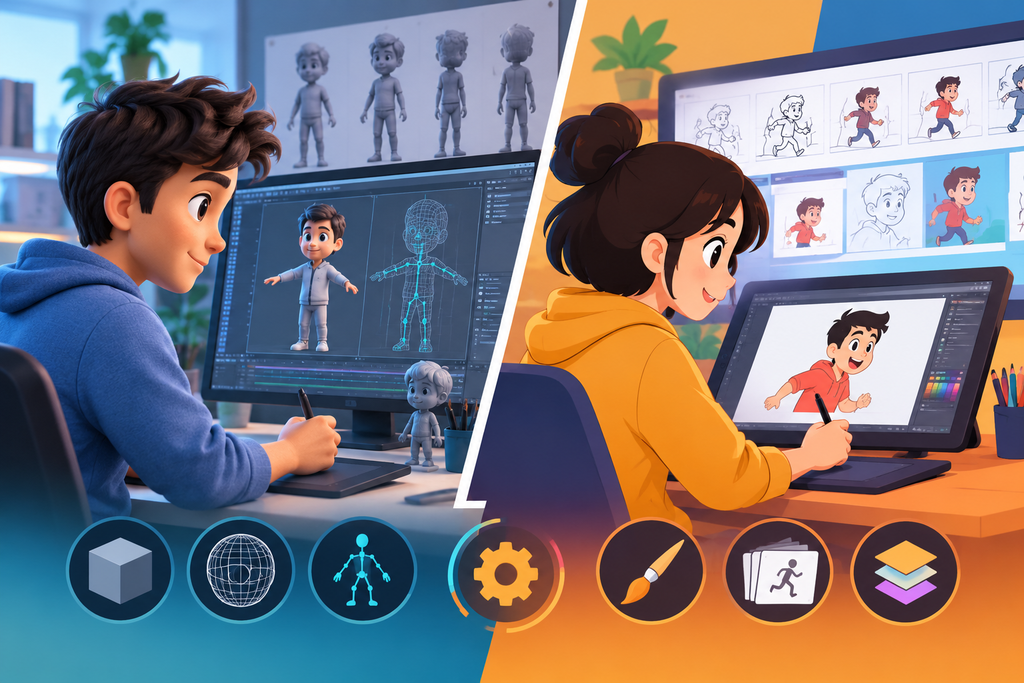
The 3D vs. 2D Animation distinction is further elaborated by the available tools, procedures, and expertise. They both have separate workflows, but both are meant to be used for the same thing, i.e., movement simulation.
1. Tools Used to Make Animations
The tools used for making 2D animations include Adobe Animate or Toon Boom Harmony to produce their drawings and characters.
3D animations primarily use tools like Blender or Autodesk Maya to aid in modelling, rigging, animating, lighting, and rendering the projects.
2. Animation Process
Individual frames are created or illustrated through digital rigging in the production of 2D animation.
The 3D animation production process usually goes through stages like modeling, texturing, rigging, animating, lighting, and rendering a project.
3. Skills And Production Demands
2D Animation is drawing-based, and it is from the composition, timing, and visual storytelling that all motion comes.
3D animation requires spatial awareness in addition to skills in modeling, rigging, and lighting.
Creativity, preparation, and attention to detail are required in both disciplines, and the degree of complexity of the project dictates the amount of time and resources required.
3D vs 2D Animation: Which Is Best For Your Project?
When it comes to deciding the type of animation, whether you prefer 2D Animation Vs. 3D Animation, the choice is determined by the objectives of the project rather than merely selecting the more sophisticated technique.
When is 2D Animation a better option?
2D animation is suitable for projects that rely on illustrated images, have simple stories, or employ a unique artistic style.
- For Plain And Simple Animation
A great way to explain education videos and explainer animations for a complex-to-easy understanding.
- For Stylised Storytelling
Perfect for cartoons and games like Cuphead, which draws on a hand-drawn, vintage cartoon style.
- For Affordable Productions
For projects with more modest visual needs, such as short promotional videos or basic motion graphics, this is the best way to go.
When to choose 3D Animation?
3D animation can be selected for projects where a highly realistic environment is required and where multiple perspectives can be used in animated settings.
- For complex game development
3D Animation is widely used in video games like Grand Theft Auto V and Red Dead Redemption 2, or VR games.
- For product design and marketing
3D animation is an effective means of promoting products from different angles.
- For immersive movies
3D Animation is widely used in movies that require characters, design, and lighting to make an immersive artificial world.
Selecting the Perfect Style of Animation for Your Project
Understanding 2D vs 3D Animation gives you leverage to make better decisions for your needs. While 2D and 3D have their own pros and cons, the best choice depends on your idea-to-film, budget, and target audience.
3D Modeling Animation Studio is a well-established 3d modeling, animation, and rendering company.
Want to learn more about our services? Contact us today to discuss your project.
Frequently Asked Question
1. What’s the Main Difference Between 2D and 3D Animation?
2D animation takes place on a flat surface, while 3D animation is a digital rendering of an object that has 3-dimensional depth and moves around in three-dimensional space.
2. Is It Less Expensive to Produce a 3D Animation?
In some cases, yes. The price can vary with things like the complexity of a project, how long it takes, how much research and development work is necessary to create the animation, the degree of artistic detail, and how the finished product is produced.
3. Which Is Harder to Learn, 3D or 2D Animation?
Both require a ton of practice. 2D animation is all about drawing and movement. 3D animation also involves modeling, rigging, and lighting.
4. Should I Use 2D or 3D for Films and Games?
There is success to be found for both. The choice should be made based on art style, game or story requirements, audience, and resources.
5. Can Both Types of Animation Be Used Together?
Yes. A hybrid form of animation exists, and several films are already using it. Blockbuster anime, Demon Slayer, uses a hybrid animation style for its production.