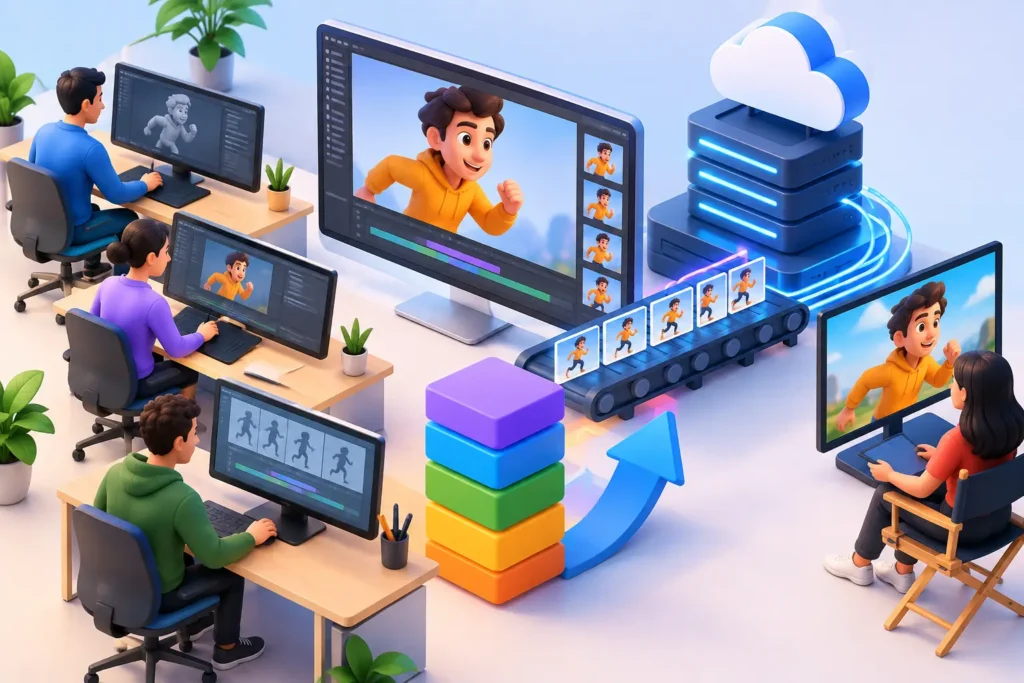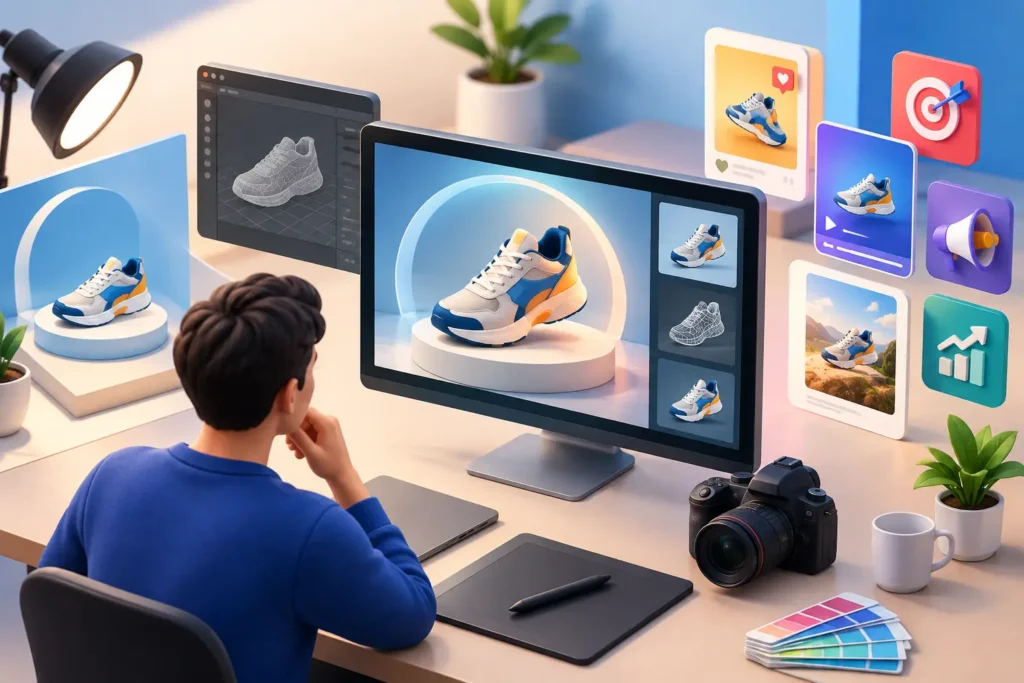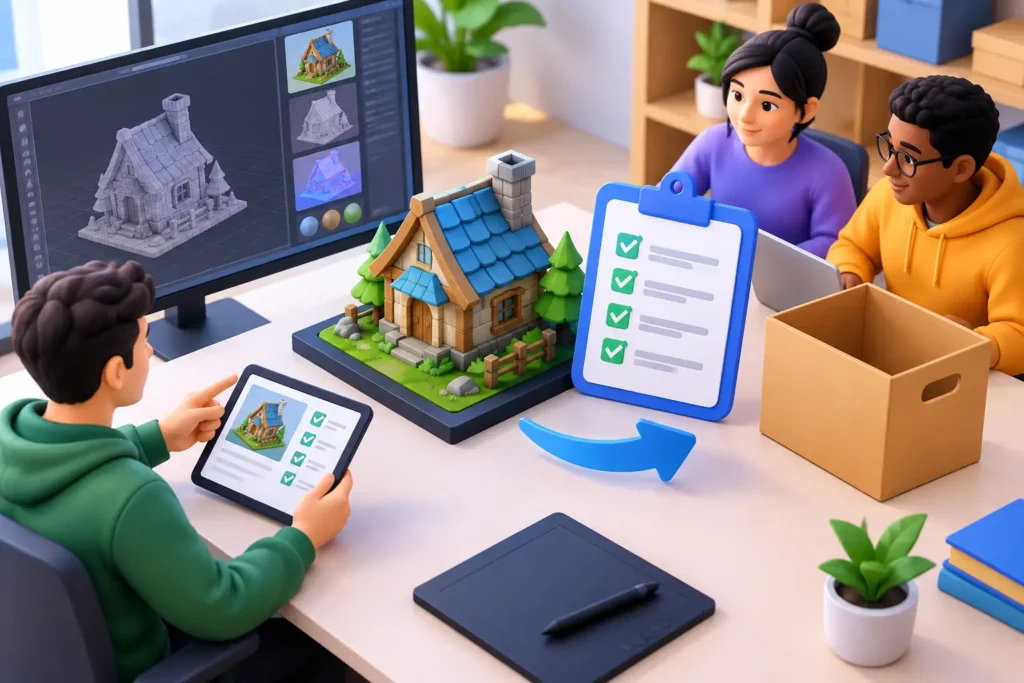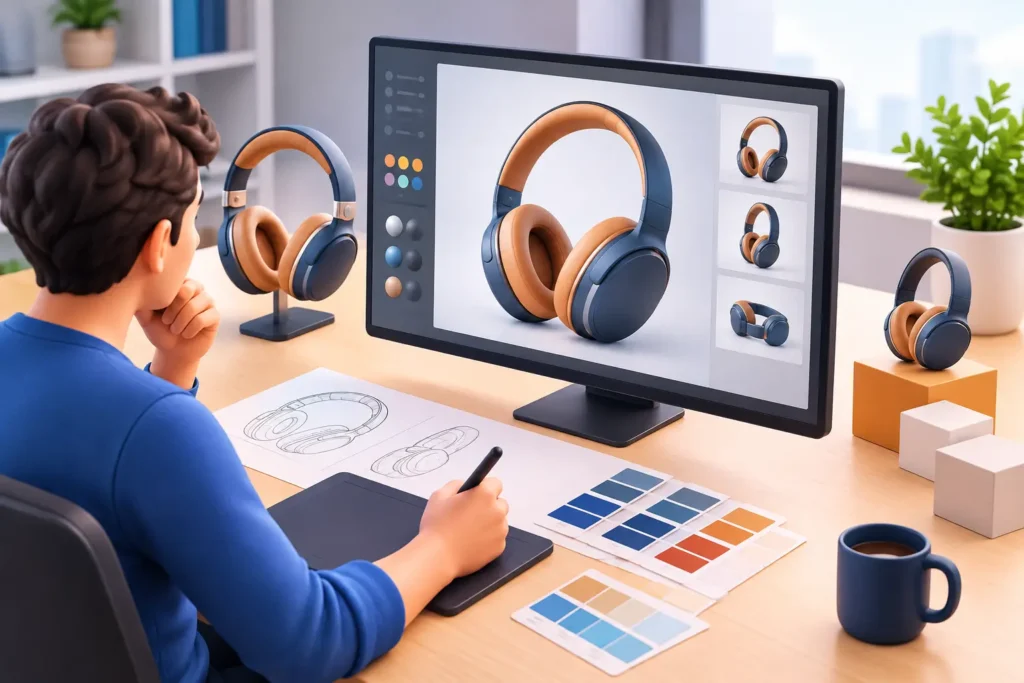
A character that looks perfect in still frames can fall apart the moment animation starts. Elbows collapse, facial controls fight each other, cloth intersections multiply, and revisions slow the entire schedule. That is exactly why professional 3d rigging services matter. They turn static models into animation-ready assets that perform predictably under production pressure.
For brands, studios, and production teams, rigging is not a side task. It is a technical foundation that affects animation quality, revision speed, and budget control. A strong rig gives animators clean controls and stable deformation. A weak rig creates friction in every shot, especially when deadlines are tight and multiple stakeholders are involved.
What 3D rigging services actually deliver
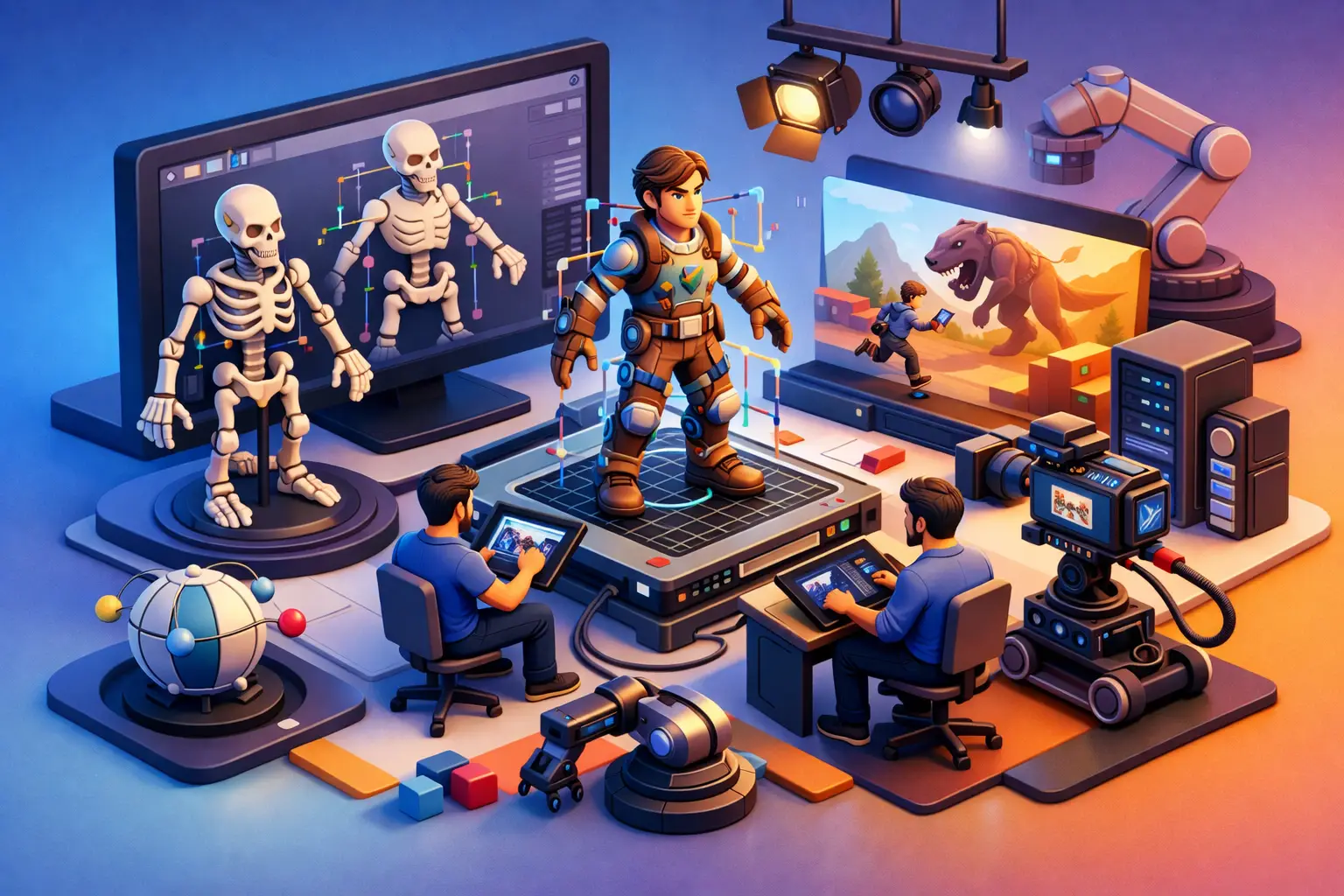
At a basic level, rigging adds a digital skeleton, control system, and deformation setup to a 3D model so it can move correctly. In practice, the work is far more detailed. A production-ready rig has to match the model, support the intended style of motion, and hold up across the full shot range.
That includes joint placement, skin weighting, controller design, inverse and forward kinematics, blend shapes for faces when needed, and testing under real animation conditions. For some projects, it also includes muscle systems, corrective shapes, prop constraints, cloth or accessory setups, and scene organization for handoff.
The difference between a basic rig and a production rig is reliability. If your asset is for a one-off simple motion test, a lightweight setup may be enough. If the asset will appear in marketing campaigns, broadcast content, product demos, game cinematics, medical visualization, or episodic production, the rig has to survive repeated use and revision cycles.
Why 3D rigging services affect more than animation
Rigging is often evaluated by animators, but the business impact reaches much further. When a rig works well, approvals move faster because the asset behaves as expected. Directors can ask for changes without triggering technical fixes. Marketing teams can reuse characters or products across campaigns. Production managers gain a more predictable schedule.
That matters when internal teams are already stretched. Outsourced 3d rigging services are often the best choice when a company has strong creative direction but limited technical bandwidth. Instead of assigning rigging to generalists or pulling animators off active shots, businesses can rely on a specialized team that understands both setup quality and delivery timelines.
This is especially valuable in industries where visual accuracy is tied to business outcomes. Product animation may need moving parts that align with engineering references. Architectural walkthroughs may require environmental assets with mechanical motion or camera-friendly control systems. Medical animation often demands a higher level of anatomical logic and controlled deformation. In each case, rigging supports credibility as much as movement.
What separates a usable rig from a costly one
A rig can be technically complete and still be inefficient. That is where many projects lose time. Controls may be cluttered, naming may be inconsistent, or deformation may look acceptable in a neutral pose but fail in extreme movement.
A usable rig is built around the actual production need. If the character will perform broad body mechanics, limb articulation and weight behavior become critical. If close-up facial performance matters, the face rig needs precision and intuitive control. If speed is the top priority, the setup may need to be optimized for quick animation rather than layered complexity.
There is always a trade-off between sophistication and production efficiency. More advanced systems can produce better results, but only if the project truly benefits from them. Overbuilding a rig can slow animators and increase revision time. Underbuilding it can create expensive fixes later. The right service partner helps define that line early, before rigging decisions affect the schedule.
When outsourcing rigging makes commercial sense
Many companies do not need a permanent in-house rigging department. They need dependable support when demand spikes, when specialized assets are involved, or when internal talent is focused on core creative work. That is where outsourcing becomes practical.
An outsourced rigging team can scale around the project rather than your payroll. It also brings process discipline that is difficult to maintain when rigging is handled only occasionally. File standards, testing procedures, version control, and handoff documentation all become more structured.
For studios and agencies, this model reduces bottlenecks. For brands producing ongoing visual content, it provides access to specialized technical talent without long hiring cycles. For production houses balancing multiple deadlines, it adds capacity exactly where delays tend to start.
3D Modeling Animation Studio works in that space by supporting clients who need both technical precision and operational reliability. The advantage is not only better rigs. It is a workflow built to keep production moving across modeling, rigging, animation, and final delivery.
What to expect from a professional 3D rigging workflow
The strongest 3D rigging services follow a clear production sequence. It starts with understanding the asset, its motion requirements, the animation style, and the target software pipeline. A rig for stylized advertising content is not built the same way as one for realistic simulation-heavy work.
Next comes technical planning. This stage defines skeleton structure, control logic, deformation priorities, and any special requirements such as facial performance, mechanical articulation, or compatibility with existing scenes. Catching issues here prevents expensive rebuilds later.
The build phase covers the skeleton, controls, constraints, skinning, and custom systems. After that, testing becomes essential. Good rigging teams do not just hand over a file because it opens correctly. They push poses, test edge cases, verify naming and scene cleanliness, and review the asset in the way animators will actually use it.
Finally, handoff matters. Clients should receive organized files, clear controller structures, and enough documentation to work efficiently. If revisions are part of the scope, that process should be defined from the start. Rigging is technical work, but the client experience should still feel straightforward.
Choosing 3D rigging services for different project types
Not every project needs the same rigging depth. For product marketing, mechanical rigging often takes priority over expressive performance. Hinges, exploded views, assembly motion, and clean part controls matter more than organic deformation. The service provider needs to understand precision and presentation equally well.
For character animation, the demands are broader. Body mechanics, facial performance, prop interaction, and shot flexibility all influence the rig. If multiple animators are involved, consistency becomes even more important because poor controls create production drag across the whole team.
For film, TV, and branded entertainment, the best setup usually balances visual fidelity with speed. High-detail rigs are valuable, but only if they support shot delivery instead of slowing it down. In architecture and medical animation, the challenge is often different. The rig must support technical credibility, controlled motion, and specific approval requirements from expert stakeholders.
This is why service selection should be based on fit, not just pricing. A lower-cost rig that causes animation delays is rarely the cheaper option in the full production cycle.
How to evaluate a rigging partner before you commit
Start by looking at pipeline understanding, not just visuals. A provider should be able to discuss software compatibility, animation needs, asset complexity, and testing standards without vague language. You want a team that can explain how the rig will function in production, not only that it will be built.
Ask how they handle revisions, how they test deformation, and how they prepare files for handoff. If your project includes multiple assets or ongoing work, ask about consistency across a wider batch. Reliability at scale is often what separates a good freelancer from a strong production partner.
It also helps to assess communication style early. Rigging projects move faster when requirements are documented clearly and technical feedback is handled without confusion. Strong providers are direct about scope, timeline, and trade-offs. That kind of transparency protects both quality and schedule.
Why the right rig pays off long after delivery
A good rig does more than solve one animation task. It creates asset longevity. Characters can be reused across campaigns. Product assets can support new marketing content with less rebuild work. Animation teams spend more time creating and less time troubleshooting.
That long-term value is easy to miss when rigging is treated as a line item instead of a production multiplier. But for any business relying on 3D content, it directly affects speed, consistency, and return on asset creation.
If your team is planning character animation, product motion, branded content, or technically demanding visual production, rigging quality will show up in every stage that follows. The smartest move is to treat it that way from the start – as an investment in smoother execution, stronger visuals, and a production pipeline that can keep pace with your goals.