A product launch can lose momentum in seconds if the visual format does not make its value immediately clear. Selecting the best animation styles advertising teams can deploy is not simply a creative decision. It affects production scope, audience comprehension, media placement, and the speed at which a campaign moves from concept to market.
For marketing leaders and creative teams, the strongest choice is rarely the most elaborate style. It is the one that makes the product, message, or experience easiest to understand while matching the brand’s budget and distribution plan. A detailed 3D product film may be the best fit for a premium consumer device, while a concise motion-graphics video can explain a SaaS feature set more efficiently. The goal is commercial clarity, supported by visual quality.
How to Choose the Best Animation Styles for Advertising
Start with the decision your audience needs to make after watching. If buyers need to inspect materials, features, and finishes, realistic 3D animation is often the right direction. If they need to grasp a process, service, or data point quickly, motion graphics or 2D explainer animation may deliver a clearer result.
Channel matters just as much. A six-second paid social placement requires an immediate visual hook, readable messaging, and a focused product moment. A trade-show display, product page, or sales presentation can support a longer narrative and more technical detail. Building one hero animation with planned cutdowns is usually more efficient than treating every channel as a separate production.
Also consider asset availability early. Existing CAD files, product photography, brand guidelines, and approved messaging can reduce production time substantially. When a product is still in development, 3D visualization provides a major advantage: marketing can begin before physical photography or a finished prototype is available.
3D Product Animation for Detail and Premium Positioning
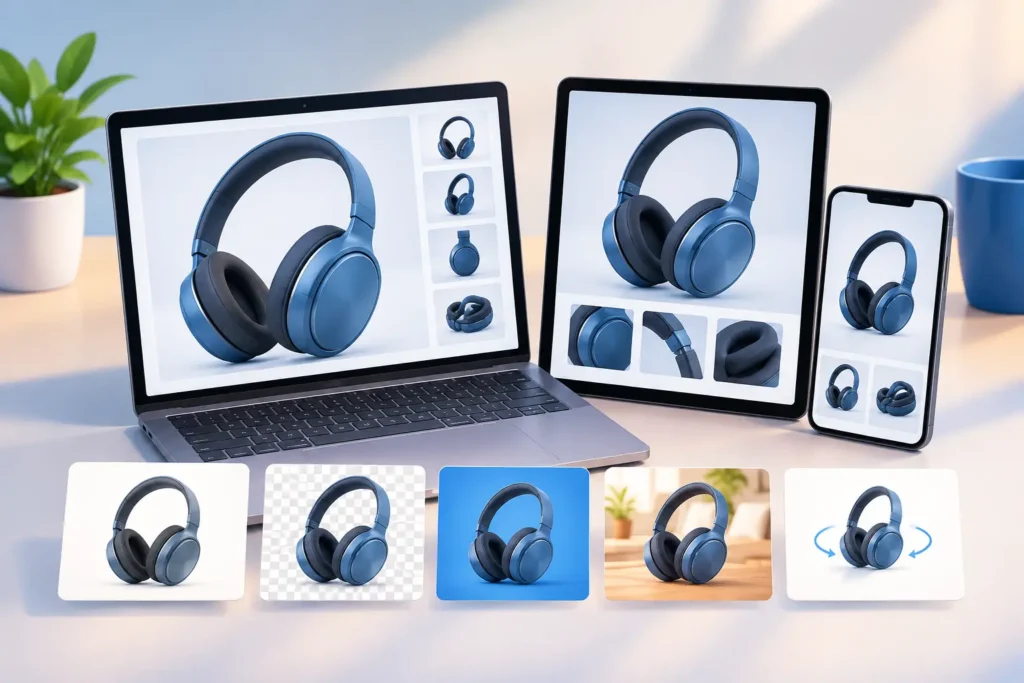
3D product animation is one of the most effective formats for products that benefit from close inspection. It can show a device rotating in space, reveal internal components, demonstrate assembly, or place a product in a controlled lifestyle environment. Lighting, materials, camera movement, and simulation are all designed to support the exact selling point a campaign needs to communicate.
This style is especially strong for consumer electronics, automotive parts, furniture, cosmetics, industrial equipment, and premium packaged goods. A photorealistic render can present products consistently across markets without the cost and coordination of repeated physical shoots. It also allows teams to update colors, configurations, labels, and regional packaging without rebuilding the entire campaign from scratch.
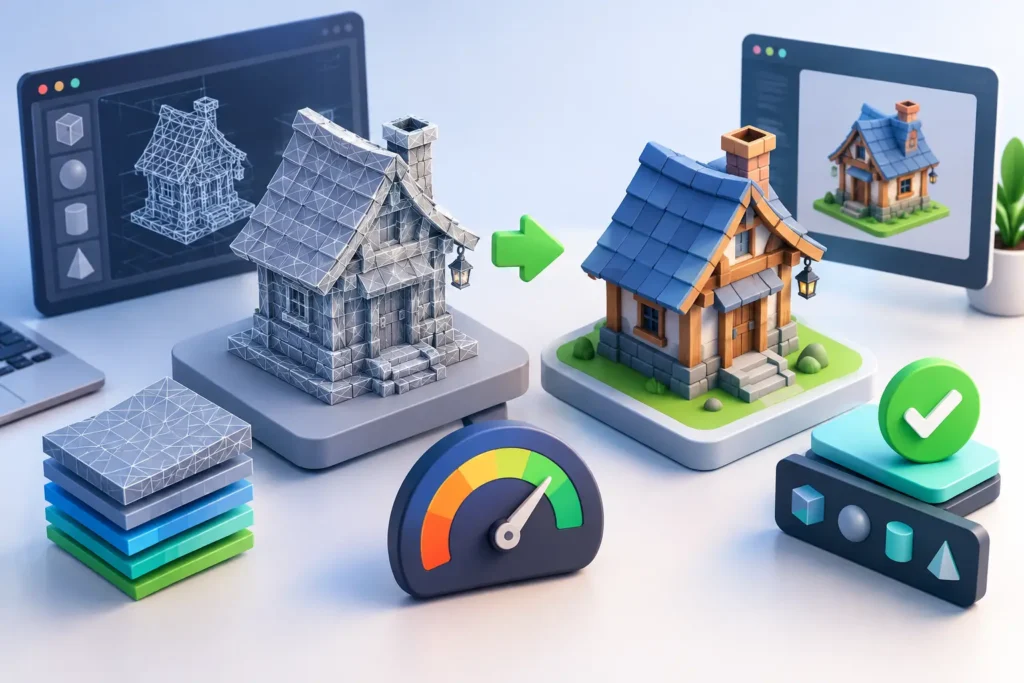
The trade-off is production complexity. High-quality modeling, texturing, lighting, rigging, and rendering take planning. For a product with many variations, the best approach is to build a reusable 3D asset library at the start. That investment makes future advertising videos, ecommerce visuals, product configurators, and launch materials faster to produce.
When 3D animation earns its budget
Use 3D when realism is part of the sales message, when the product is difficult to film, or when you need to show something a camera cannot capture. An internal mechanism, microscopic ingredient interaction, or cutaway view of an architectural space can turn a complicated explanation into an immediate visual proof point.
Motion Graphics for Clear, Fast Messaging
Motion graphics use animated typography, icons, graphic elements, charts, interface screens, and brand shapes to communicate an idea with speed. This approach works particularly well for technology companies, financial services, B2B platforms, logistics brands, and campaign messaging that depends on statistics or process explanation.
The primary advantage is clarity. A well-structured motion piece can introduce a challenge, frame the solution, show three core benefits, and end with a direct call to action in under 30 seconds. It also adapts well to multiple aspect ratios, making it practical for paid social, websites, presentations, and digital display campaigns.
Motion graphics should not become decoration without purpose. Too many transitions, text treatments, or abstract shapes can weaken retention. The strongest pieces establish a visual hierarchy: one idea per scene, concise on-screen copy, and motion that directs attention to the message.
2D Character Animation for Relatable Stories
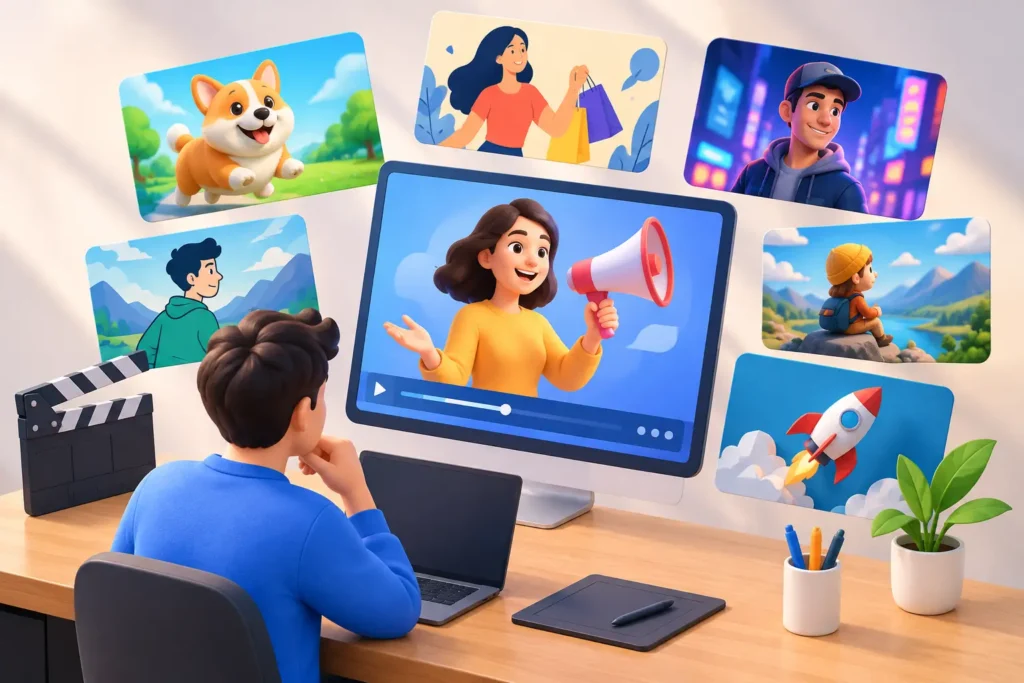
2D character animation adds personality and emotional context to advertising. It is useful when a brand needs to show a customer problem, depict a service journey, or make a sensitive topic more approachable. Healthcare providers, insurance companies, education platforms, and HR technology brands often use this style to turn an abstract promise into a human story.
The visual language can range from simple flat illustration to more expressive editorial artwork. Simple styles are generally faster to produce and easier to adapt, while highly customized character work creates a more distinctive campaign identity. The right choice depends on whether speed, brand differentiation, or long-term content reuse is the larger priority.
For performance advertising, keep the narrative direct. The character should help the viewer recognize a problem or outcome, not distract from the product or offer. In most cases, the brand, key benefit, and call to action should appear before the final seconds.
Mixed Media Animation for Campaign Flexibility
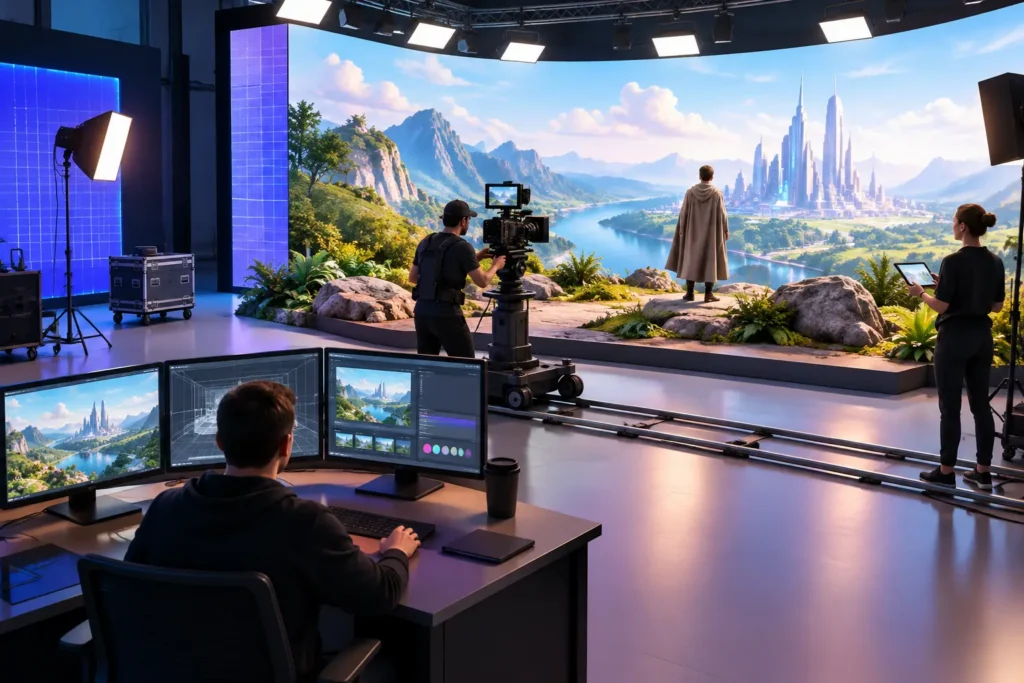
Mixed media combines live-action footage with 3D elements, motion graphics, compositing, or animated typography. It is a practical choice for brands that want the credibility of real people and real environments while still needing product enhancements, data overlays, or impossible camera moves.
A fitness campaign, for example, can show an athlete using the actual product while 3D graphics highlight biomechanics or material performance. A real estate developer can combine footage of a site with architectural visualization that shows the finished property. The result can feel grounded and aspirational at the same time.
This format requires careful pre-production. Camera tracking, lighting references, shot composition, and post-production requirements need to be planned before filming. When those details are handled early, mixed media can create high-impact advertising without forcing every scene into a fully live-action or fully CG approach.
3D Medical and Technical Animation for Complex Claims
Some advertising cannot rely on surface-level visuals. Medical devices, pharmaceuticals, manufacturing systems, engineering solutions, and scientific products often need accuracy as much as visual appeal. Technical animation turns complex functions into understandable sequences, whether the audience is a physician, procurement team, investor, or end user.
For regulated sectors, every visual claim should be reviewed against approved language and technical source material. Accuracy in anatomy, mechanisms, dimensions, or processes protects credibility and reduces revisions late in production. It also means the animation team needs the right combination of artistic skill and subject-matter discipline.
The strongest technical animations avoid overwhelming viewers with every detail at once. They use a clear viewing path: establish the challenge, isolate the mechanism or process, show the outcome, and reinforce the commercial value. Precision does not require visual clutter.
Stop Motion and Stylized 3D for Distinctive Brand Recall
Stop-motion-inspired animation and stylized 3D are valuable when a campaign needs a more tactile, playful, or ownable look. Food and beverage brands, beauty products, retail promotions, and social-first launches often benefit from this approach because it can stand out in feeds dominated by conventional product footage.
Stylization is not automatically less expensive than photorealism. Custom art direction, simulations, handcrafted textures, and frame-by-frame effects can require significant effort. However, a carefully designed visual system can provide a long shelf life, giving a brand reusable assets for seasonal promotions, short-form content, and retail displays.
Choose this route when distinctiveness is a strategic objective, not just because the style is trending. A memorable campaign look must still support product recognition, readable messaging, and the audience’s expectations of the brand.
Build the Production Plan Around Reuse
The most efficient advertising animation strategy considers reuse from the first storyboard. A single approved 3D model can support a launch film, short product loops, marketplace visuals, still renders, retailer assets, and future feature updates. Similarly, a motion-graphics toolkit can create consistency across paid media, sales presentations, and internal communications.
An experienced outsourced production partner can scale the right specialists around the project, from modelers and riggers to animators, compositors, and editors. This gives internal teams access to technical capacity without adding permanent headcount for a short campaign window. The value is not only in producing one video. It is in creating a reliable visual pipeline that can keep pace with product launches and changing market demands.
The best style is the one that makes your audience understand, trust, and remember the offer. Begin with the message and the media plan, then choose the visual approach that gives that message the strongest possible proof.