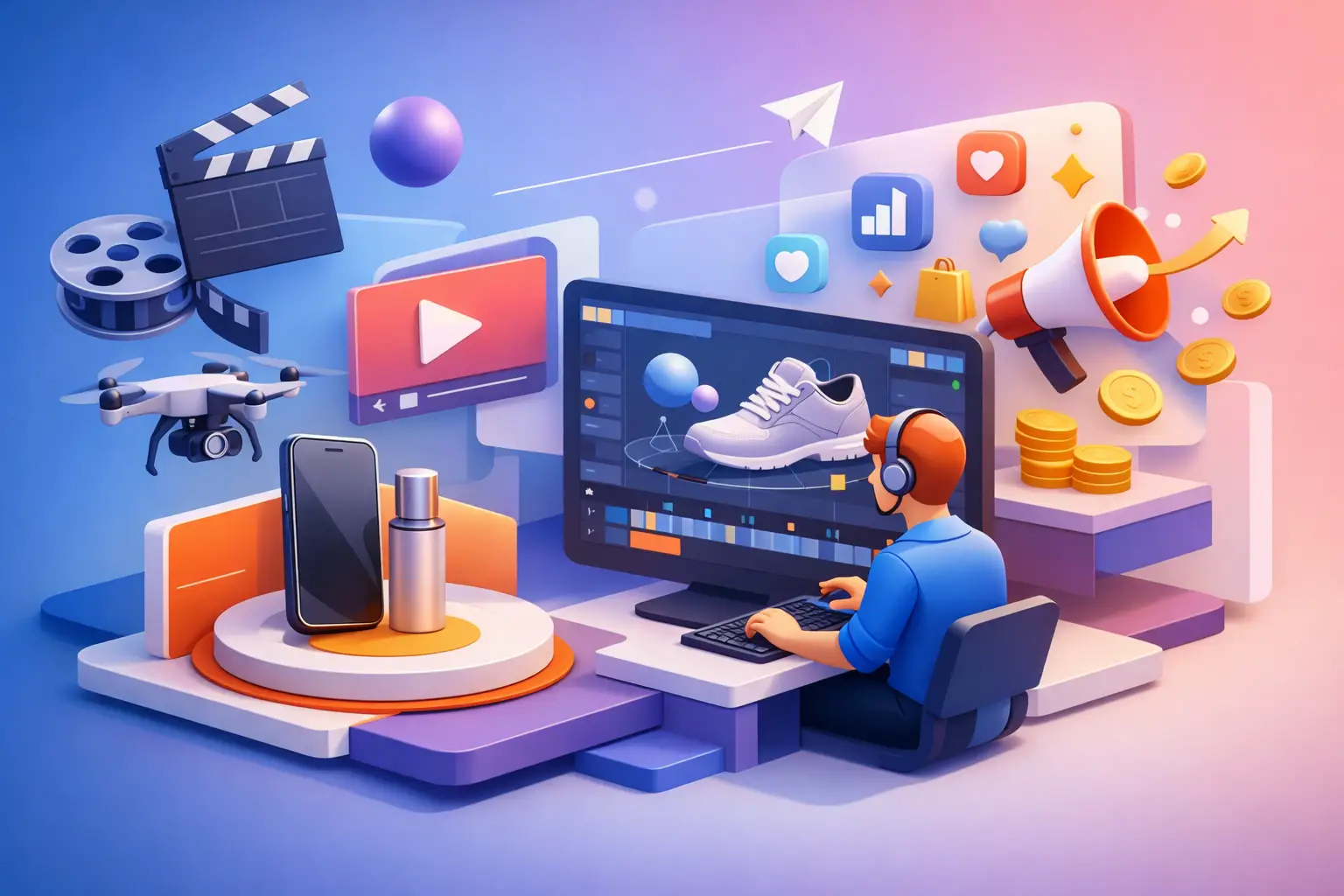
A static product image has one job – show what something looks like. A strong marketing asset has a harder job – show how it works, why it matters, and what makes it better than the alternative. That gap is exactly where 3d animation for product marketing delivers real commercial value.
For brands selling physical products, especially in competitive or technical categories, the challenge is rarely just visibility. It is clarity. Buyers need to understand functionality, materials, assembly, motion, internal components, and use cases quickly. Sales teams need assets they can use across campaigns, product pages, trade shows, presentations, and retailer pitches. 3D animation turns complex information into a visual story that people can grasp in seconds.
Why 3D animation for product marketing works
The biggest advantage of 3D animation is control. Instead of waiting for physical prototypes, managing costly reshoots, or trying to explain hidden product features through copy alone, brands can build a product virtually and present it from any angle. You can isolate one feature, zoom inside the housing, demonstrate motion, compare versions, or place the product into a clean branded environment that matches your campaign.
That matters because product marketing is rarely about a single audience. A consumer may want a quick, attractive overview. A distributor may care about dimensions, configuration, and operation. A procurement team may need proof that the product solves a practical problem. One well-planned 3D animation pipeline can serve all three with variations built from the same core assets.
There is also a speed advantage. Once the model and animation system are developed, it becomes easier to generate cutdowns, alternate views, regional versions, and future product updates without restarting the entire production process. For companies with growing product lines or frequent launches, that efficiency compounds fast.
Where 3D animation adds the most value
Not every product needs the same treatment. The strongest results usually come when the product has movement, internal engineering, modular parts, or a feature set that is hard to explain with photography alone. Medical devices, industrial equipment, consumer electronics, tools, packaging systems, and home products often benefit because they rely on both appearance and function.
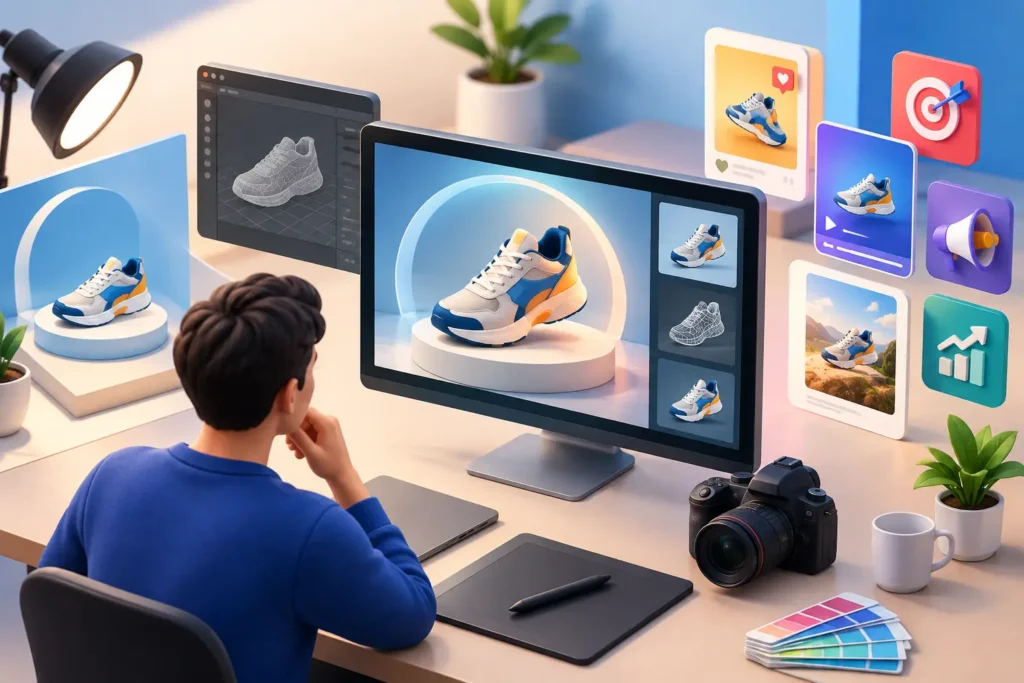
A launch campaign is the obvious use case, but it is not the only one. Product marketers use animation to support pre-launch teasers, ecommerce visuals, retail sell-in decks, social ads, trade show screens, investor presentations, and post-sale training. That wider application changes the ROI discussion. You are not commissioning a single video. You are building a flexible visual asset library that can support marketing and sales over time.
This is where outsourcing often becomes the practical choice. Internal teams may handle strategy, messaging, and campaign direction, but producing technically accurate 3D visuals at scale requires specialized modeling, animation, lighting, rendering, and post-production skills. An experienced external team can absorb production load without forcing you to expand headcount for a project-based need.
What strong product animation actually needs
A polished render alone does not guarantee marketing performance. The best product animations are built around message hierarchy. Before production starts, the team needs to know what the viewer should understand first, second, and third. Is the main goal to show ease of use? Mechanical precision? Material quality? Speed? Safety? Premium design? The animation has to support that business objective, not just look impressive.
That is why scripting and scene planning matter as much as visual quality. Camera movement, timing, labels, exploded views, and transitions all shape comprehension. If the animation moves too fast, viewers miss the point. If it focuses only on aesthetics, the sales value drops. If it becomes too technical for a top-of-funnel audience, engagement can fall. Good production is not just about realism. It is about making the right information easy to absorb.
Accuracy is equally important. For technical products, small mistakes can create real credibility problems. A hinge that rotates incorrectly, a component that appears oversized, or a material finish that does not match the actual product can cause friction with engineering teams, distributors, or customers. Commercial animation still needs technical discipline.
The production process behind effective 3D animation for product marketing
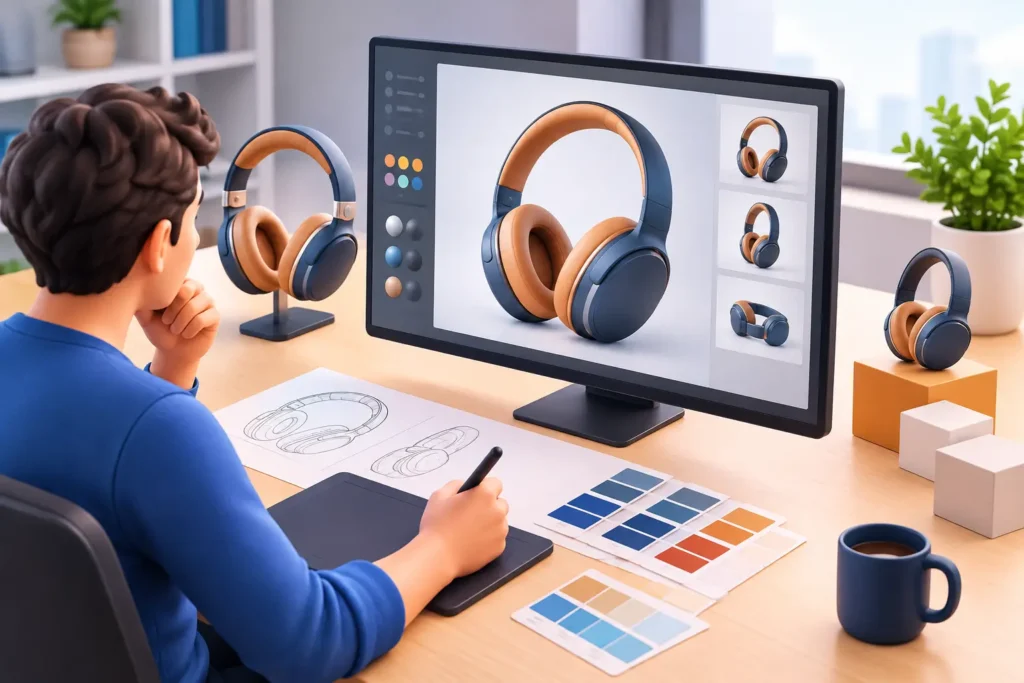
The workflow usually starts with source materials. CAD files, product drawings, reference photography, brand guidelines, and feature priorities help define the scope. From there, the 3D team builds or optimizes the model, develops materials and lighting, creates the environment if needed, and maps the animation around the approved storyboards or sequence plan.
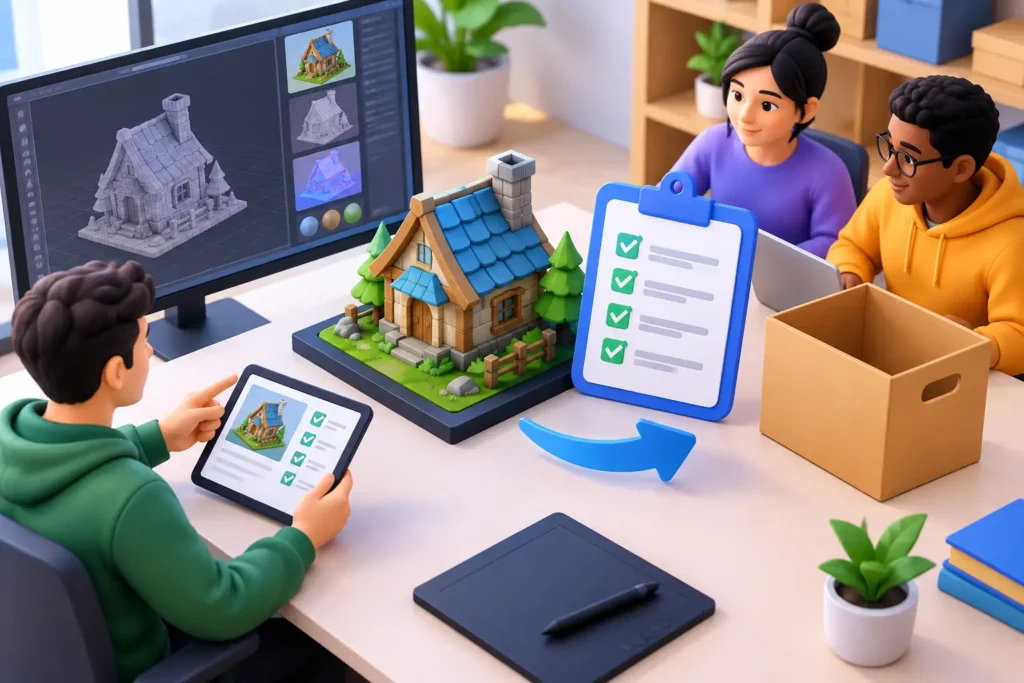
The next phase is review and refinement. This is where strong project management makes a difference. Decision-makers need visibility into milestones, version control, and revision rounds. Marketing teams want brand consistency. Product teams want accuracy. Sales stakeholders may want alternate edits for different channels. A structured review process keeps all of that aligned without dragging the schedule.
Finally, the project moves into rendering, compositing, editing, and output formatting. This is another area where experienced production support pays off. A product animation may need a full-length hero video, short social cuts, looped trade show content, transparent-background assets, and still frames for print or digital use. Planning for those outputs at the start prevents costly rework later.
Trade-offs brands should consider
3D animation is powerful, but it is not automatically the right answer for every campaign. If the product story depends heavily on human emotion, live-action footage with real users may outperform a purely CG piece. If the product is simple and low-cost, a full animation may be more than the campaign requires. In some cases, a hybrid approach works best – combining live-action, motion graphics, and 3D sequences for the parts that need explanation.
Budget and timeline also depend on complexity. A clean product spin for a single SKU is very different from a full technical explainer with multiple product variants, fluid simulation, labeled callouts, and photoreal environments. The right scope depends on where the animation will be used and how long the asset is expected to stay relevant.
There is also a strategic question: do you need a one-off vendor or a production partner? If your team manages recurring launches, seasonal updates, or ongoing campaign support, consistency becomes a business issue. Rebuilding visual workflows from scratch for every project usually costs more over time than working with a partner that understands your products, brand standards, and approval process.
How outsourced production improves speed and scale
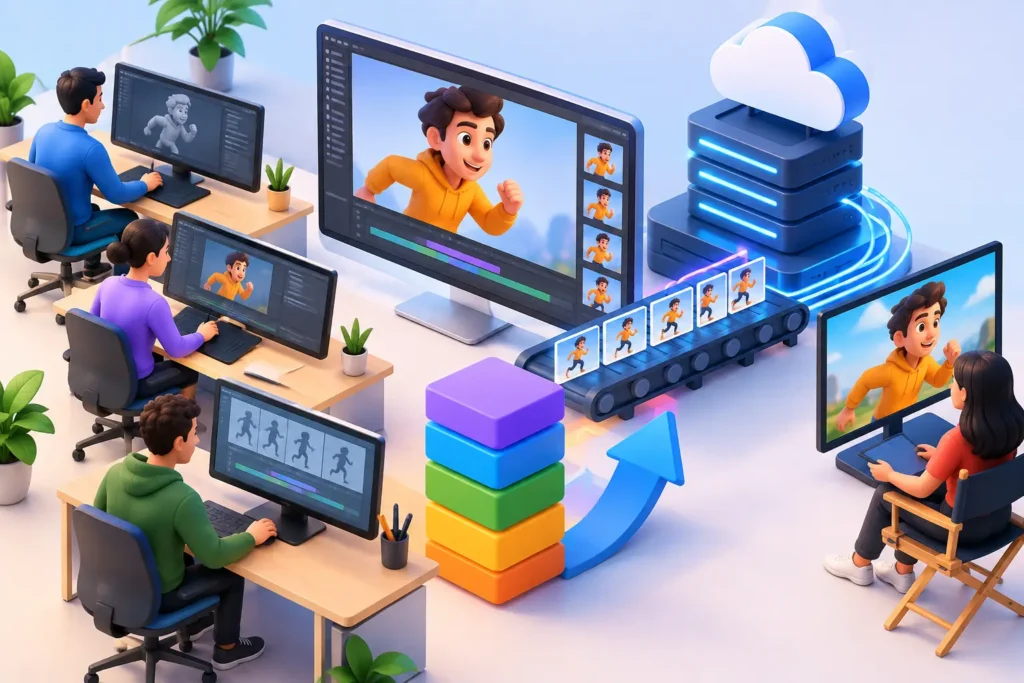
For many companies, the bottleneck is not creative direction. It is capacity. Internal marketers know what they need, but they do not have enough 3D artists, technical animators, or post-production resources to deliver on schedule. Outsourced production fills that gap with specialized capability that can expand or contract based on project demand.
That flexibility matters when timelines tighten. Product launches shift. Packaging changes late. Engineering updates arrive after initial approvals. Regional teams request localized versions. A capable external studio can adapt without disrupting your core team structure.
It also improves continuity. A full-service partner can manage modeling, rigging, animation, environment creation, rendering, and final delivery under one workflow. That reduces handoff issues and gives clients a clearer path from concept to finished assets. For brands that need both visual quality and production reliability, that combination is often the deciding factor.
At 3D Modeling Animation Studio, that is the value of the outsourcing model – expert execution, scalable support, and a process built around business deadlines rather than studio-only priorities.
Choosing the right animation partner
If you are evaluating providers, the conversation should go beyond reels. Strong visual style matters, but so do process clarity, technical accuracy, revision management, and the ability to support multiple deliverables from one production build. Ask how the team handles CAD conversion, stakeholder review cycles, versioning, and future asset updates.
You should also look for commercial awareness. A good partner understands that a product marketing animation is not created for awards alone. It has to help explain the product, support campaign goals, and give your internal teams useful assets they can deploy across channels.
The best results happen when the production team thinks like an extension of your marketing operation. That means asking smart questions early, flagging potential timeline risks, and shaping the animation around outcomes rather than visual excess.
A good product deserves more than a nice render. It deserves a visual system that helps buyers understand it faster and remember it longer. When 3D animation is planned with that standard in mind, it becomes more than content – it becomes sales support you can keep using long after launch.