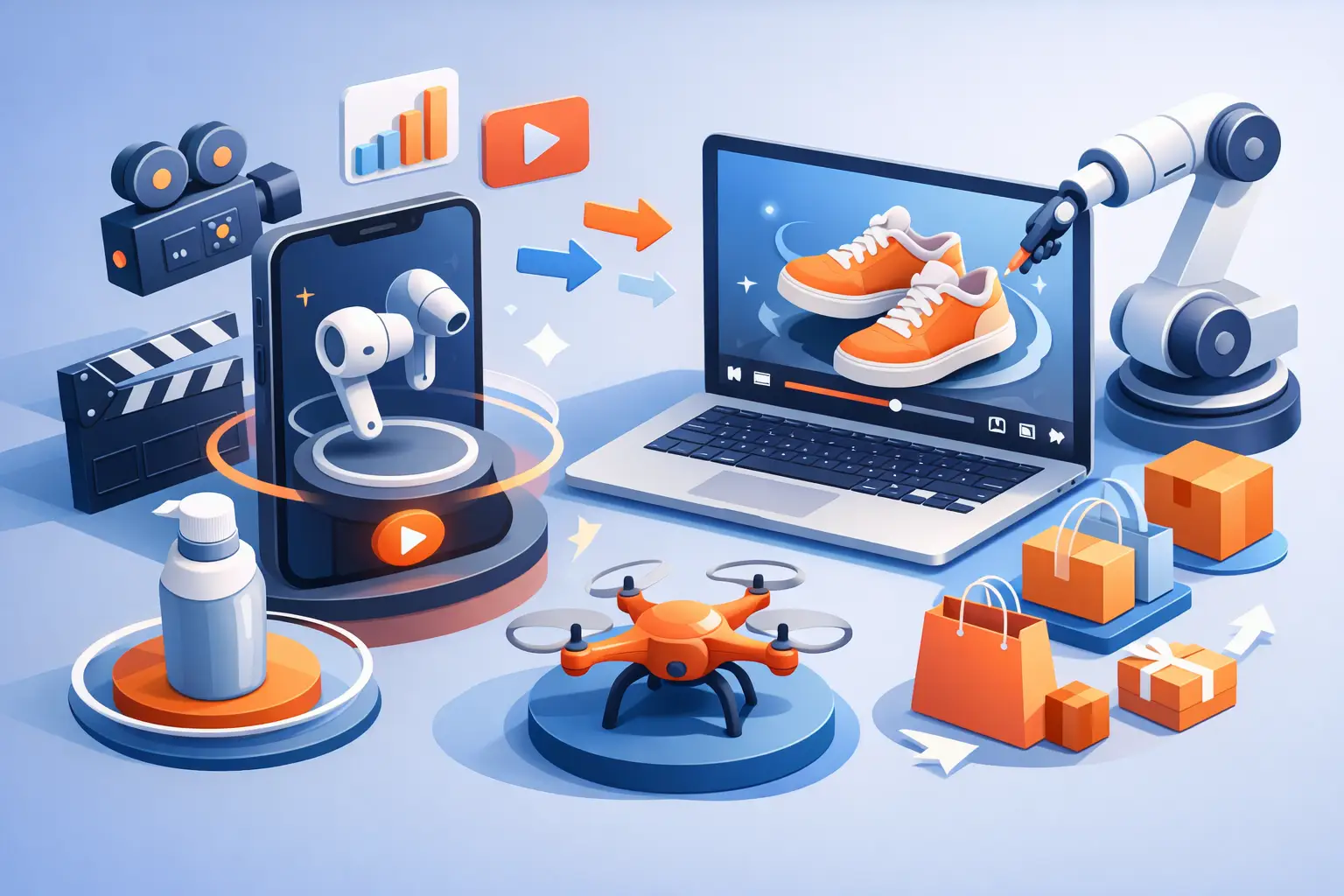
A product launch can stall for a simple reason: people do not immediately understand what they are looking at. If your offer depends on design details, internal mechanics, configurable options, or a new way of using something familiar, product animation services can close that gap fast. They turn technical information into visual proof that customers, buyers, investors, and internal stakeholders can understand in seconds.
For business teams, that matters because attention is short and timelines are tight. Static images still have a place, but they often stop at surface-level presentation. Animation shows function, movement, assembly, scale, and context. It gives marketing teams stronger assets, helps sales teams explain value more clearly, and reduces the friction that slows buying decisions.
What product animation services actually include
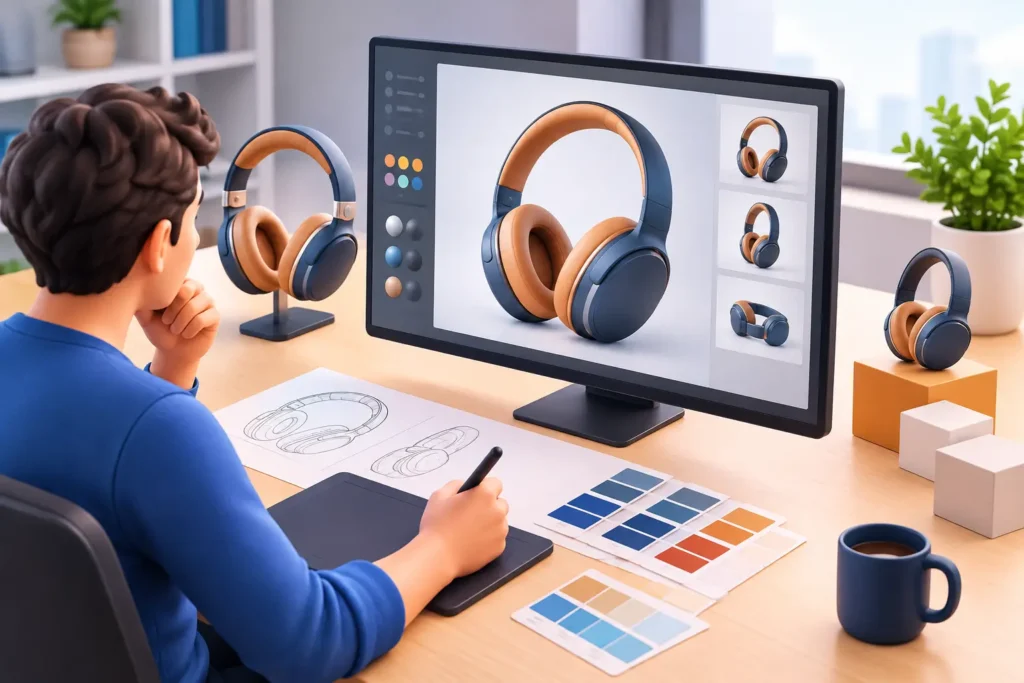
Product animation services cover much more than making an object rotate on screen. At a professional level, they include concept planning, scripting, 3D modeling, material and texture work, rigging for moving parts, lighting, animation, rendering, editing, sound design if needed, and final delivery in the right formats for web, social, presentations, trade shows, or broadcast.
The scope depends on the product and the business goal. A consumer electronics brand may need sleek launch visuals that highlight design and finish. An industrial manufacturer may need a technical animation that shows internal systems or installation steps. A medical company may need highly accurate visual sequences that explain device functionality to trained audiences. The service is the same in broad terms, but the production approach changes based on who needs to understand the product and what action they should take next.
That is one reason outsourced production is attractive. You can scale from a single hero animation to a full asset package without hiring modelers, animators, editors, and technical specialists in-house.
Why product animation services outperform static visuals
The strongest advantage is clarity. A still image can show appearance, but animation explains behavior. If your product has moving parts, layered construction, hidden features, or a setup process, motion communicates it faster and with fewer misunderstandings.
Animation also gives teams more control over the story. You decide what appears first, what gets emphasized, how quickly viewers move through the message, and what visual context supports the pitch. That control matters in crowded markets where similar products can look interchangeable at first glance.
There is also a production advantage. With 3D animation, you can create launch-ready visuals before manufacturing photography is practical, before physical samples are available in quantity, or before every product variation has been built. That can compress marketing timelines and help teams start campaigns earlier.
Of course, animation is not automatically the better choice in every situation. If your product is simple, low-cost, and already easy to understand from a single image, a full animation may be more than you need. In those cases, a short motion asset or a few high-end renders might deliver a better return. The right production partner should say that clearly rather than oversell a larger scope.
Where product animation creates the most business value
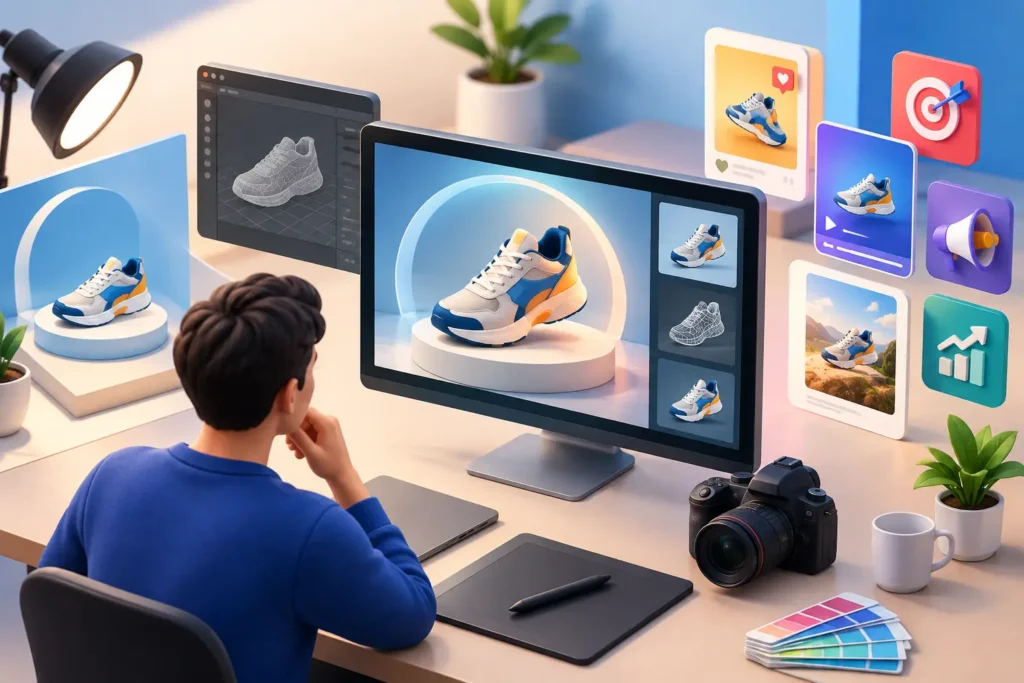
Marketing teams often use animation to improve product pages, ad creative, social campaigns, launch videos, and presentation decks. When a product has differentiators that are hard to explain in text, motion helps convert interest into understanding.
Sales teams use the same assets differently. A concise animation can support demos, distributor presentations, investor meetings, and retail sell-in conversations. It shortens the explanation cycle and gives every rep a more consistent way to present the product.
For manufacturing, engineering, and technical brands, animation is also useful beyond promotion. It can support training, installation guidance, service documentation, and internal approvals. That wider use makes the investment more efficient because one core production can often be adapted into multiple deliverables.
This is especially true in sectors where precision matters. Medical devices, industrial equipment, and architectural products often need a level of visual accuracy that goes beyond visual appeal. Here, the value of product animation is not just that it looks polished. It is that it explains correctly.
How a strong production process protects budget and schedule
Animation projects usually succeed or fail before the first frame is rendered. The planning phase sets the pace for everything else. If the brief is vague, approvals are scattered, or product data is incomplete, revisions multiply and delivery slows down.
A reliable production workflow starts with clear objectives. Is the animation meant to drive conversions, support a pitch, train users, or launch a new SKU? That answer affects style, runtime, level of detail, and where the budget should go. A 15-second social cut and a 2-minute technical explainer are not the same production problem.
Next comes asset intake. CAD files, reference photography, material callouts, product dimensions, packaging details, and brand guidelines all help reduce guesswork. If internal teams can provide these early, the studio can move faster and maintain higher technical accuracy.
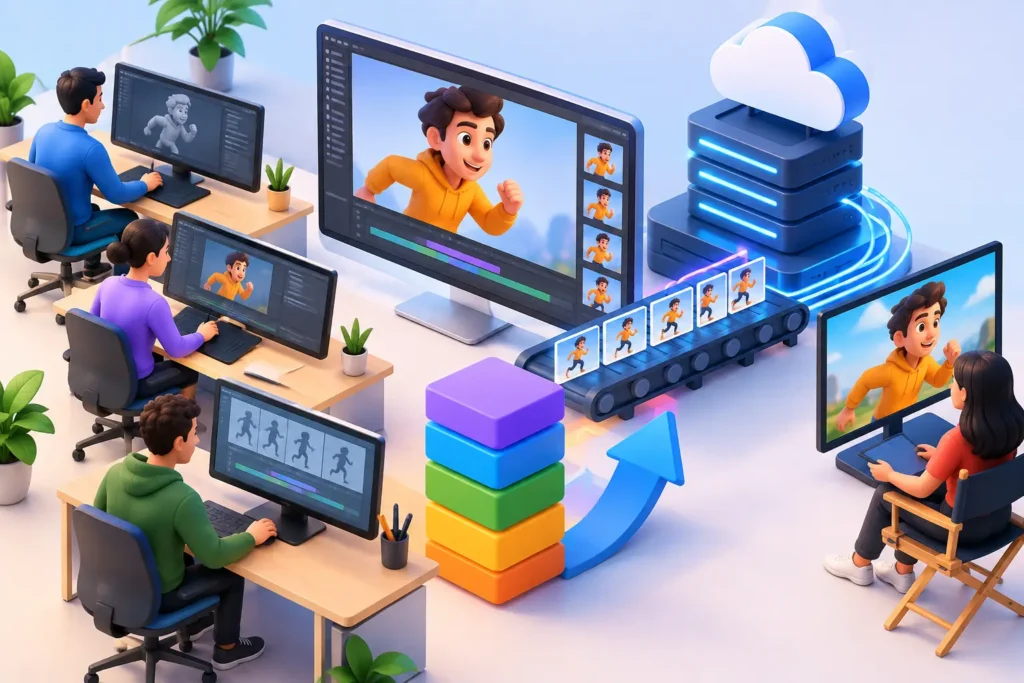
From there, the best teams work in structured approval stages: storyboard or script, style frames, model review, animation preview, and final render. This is where outsourcing adds real operational value. Instead of chasing freelancers across disconnected steps, decision-makers get one managed process with visibility into milestones, revisions, and delivery.
Choosing the right partner for product animation services
Not every animation vendor is built for commercial production. Some are visually strong but weak on deadlines. Others can move quickly but lack technical discipline. For product animation services, you need both.
Look for a partner that can speak to business outcomes as comfortably as visual execution. They should ask about your audience, delivery channels, launch timing, and approval structure, not just the look you want. If they only talk about style, they may miss the operational realities that shape the project.
Technical capability is just as important. Products with reflective materials, transparent components, mechanical movement, or exact dimensional relationships require careful modeling, lighting, and animation. In regulated or specialized sectors, small visual errors can undermine trust.
It also helps to work with a studio that can scale. Many companies do not need a single animation once. They need a repeatable partner for product lines, updates, localization, cutdowns, and future campaigns. That is where a full-service outsourced team becomes more cost-effective than solving each project from scratch.
A studio such as 3D Modeling Animation Studio is positioned well for this kind of work because it combines modeling, animation, post-production, and delivery under one production structure. For clients managing multiple deadlines or fluctuating demand, that kind of setup reduces handoff risk and keeps output consistent.
Common pricing factors and trade-offs
Decision-makers often ask for a simple rate, but animation pricing is driven by complexity. Runtime matters, but not as much as what happens within that runtime. A short sequence with fluid simulation, exploded views, and detailed material realism can take more work than a longer but simpler product showcase.
The main cost drivers are asset complexity, number of products or variants, realism level, motion complexity, script development, revision rounds, and final output formats. Turnaround speed can also affect cost. Tight deadlines usually require more production bandwidth.
There are smart ways to control budget without sacrificing quality. You can prioritize one hero animation and then derive shorter edits from it. You can limit custom environments if the product itself is the focus. You can also define revision rounds early, which protects both sides from endless changes.
The trade-off is straightforward: the more flexible and expansive the project becomes midstream, the more likely cost and schedule will drift. That is why experienced clients often invest extra time in the brief. It saves far more time later.
What to prepare before starting a project
If you want product animation services to move efficiently, come prepared with the basics: product files, dimensions, visual references, your audience, key selling points, brand standards, and where the animation will be used. Even a strong studio works faster when the commercial objective is clearly defined.
It also helps to identify who approves what. Many project delays have nothing to do with rendering or animation. They come from unclear internal ownership. When engineering, marketing, sales, and leadership all review the work at different times with different priorities, version control becomes a problem.
The most efficient projects have one business lead, one technical reviewer if needed, and a shared understanding of what the animation must achieve. That keeps feedback focused and production moving.
Product animation works best when it is treated as a business asset, not just a visual extra. Done well, it can shorten explanation time, strengthen launches, and give your team content that stays useful across campaigns, presentations, and product life cycles. If the goal is to communicate value clearly and move faster without expanding internal production headcount, the right animation partner can make that a practical advantage rather than a creative gamble.