
A buyer lands on your product page, scrolls for a few seconds, and leaves. That usually is not a traffic problem. It is a clarity problem. When prospects cannot quickly understand what a product does, how it works, or why it is worth the price, conversion drops. That is exactly where how product animation boosts sales becomes a practical business question, not just a creative one.
For brands selling physical products, technical equipment, medical devices, consumer electronics, furniture, or industrial systems, static images often do only part of the job. They show shape, finish, and design. They rarely explain movement, internal structure, product logic, or use in context with enough speed to keep decision-makers engaged. Product animation closes that gap by turning features into understandable value.
Why how product animation boosts sales is easy to measure
Product animation affects the part of the funnel where buyers hesitate. They may be interested, but they are still unsure. A well-produced animation reduces that uncertainty by making the product easier to evaluate.
When buyers can see a mechanism open, a component fit into place, or a device operate from multiple angles, the product feels more concrete. This matters in both B2C and B2B sales. Consumers want confidence before they buy. Procurement teams, distributors, and stakeholders want proof that the product performs as claimed.
That is why animation often supports measurable improvements in engagement time, demo performance, click-through rates, and conversion rates. It does not replace product strategy, pricing, or market demand. But it makes the sales message easier to absorb, which gives the product a better chance to convert.
Animation turns complex products into faster decisions
The more complex the product, the more valuable animation becomes. Technical products often lose buyers because the explanation takes too long. Teams rely on PDFs, static diagrams, or long-form copy when what the buyer really needs is a fast visual answer.
A product animation can show assembly, operation, exploded views, cutaways, materials, and performance in seconds. That changes the pace of the sales conversation. Instead of spending the first half of a meeting explaining the basics, sales teams can move more quickly into qualification, objections, and purchase readiness.
This is especially useful in industries where internal mechanisms are hard to photograph or impossible to show in live action. Medical products, engineered systems, and pre-manufacture concepts all benefit here. Animation allows you to present what matters before a physical prototype is ready or when filming the product in action is impractical.
Product animation builds trust before a sales call
Sales friction often comes from doubt. Buyers wonder whether the product is easy to use, durable enough, compatible with their workflow, or worth the investment. Strong animation addresses those concerns early.
Trust increases when visuals feel precise, consistent, and intentional. If the animation accurately represents dimensions, movement, materials, and usage scenarios, it signals that the brand understands its own product and can communicate it clearly. For business buyers, that level of clarity matters. It suggests operational maturity.
There is a trade-off, though. Poor animation can do the opposite. If movement looks unrealistic, details are vague, or the visual style feels disconnected from the actual product, buyers notice. For high-value products, low-quality visuals can damage credibility faster than no animation at all. That is why technical accuracy and production discipline matter as much as visual appeal.
How product animation boosts sales across the funnel
Animation is not just a top-of-funnel awareness asset. It can influence performance at multiple stages of the buying journey.
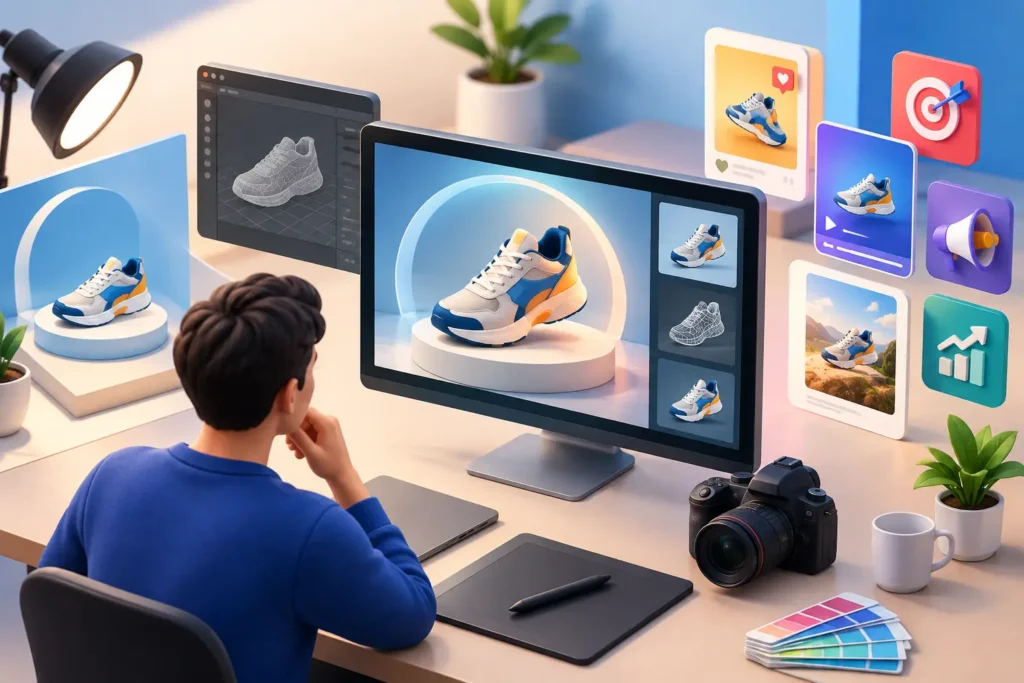
At the awareness stage, short product animations stop scrolling and communicate the core value proposition quickly. They help brands earn attention in paid campaigns, social placements, trade show screens, and landing pages.
In the consideration stage, longer-form animations support evaluation. Buyers can see how the product works, compare models, understand key differentiators, and visualize use cases. This is where animation often shortens the path from interest to serious inquiry.
Closer to the decision stage, animation helps reduce sales objections. It can clarify installation, maintenance, compatibility, safety features, or return on investment. For channels that rely on distributors or partner sales teams, product animation also creates message consistency. Everyone presents the same product story with the same level of quality.
It sells benefits, not just features
A spec sheet tells buyers what a product has. Animation helps show what those features mean in practice.
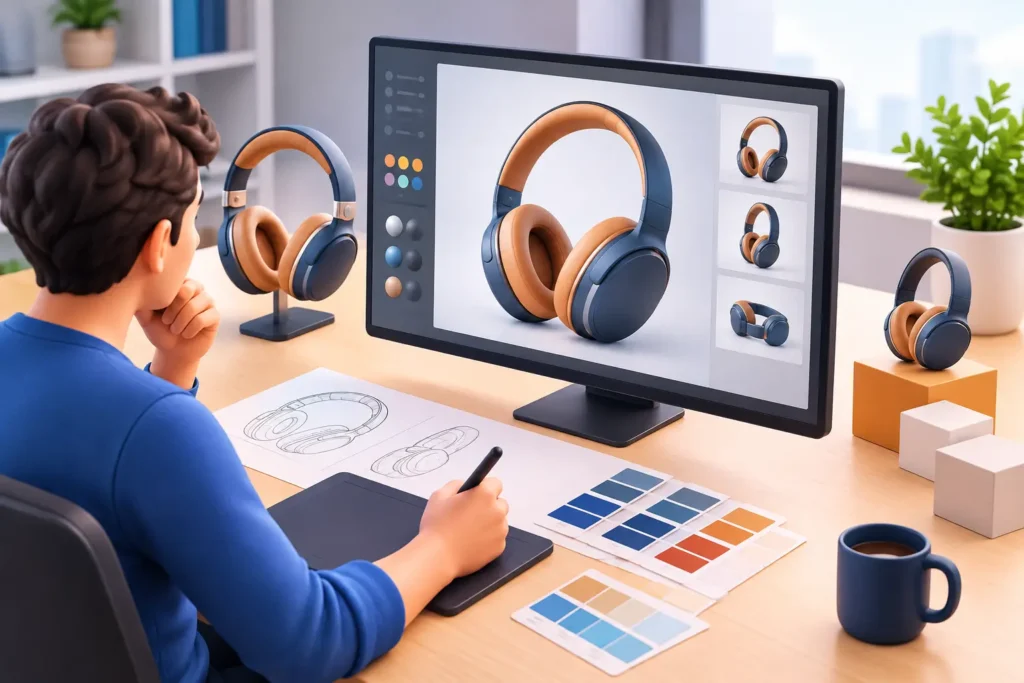
That distinction matters. A rotating 3D view of a product is useful, but it is only the start. The stronger sales asset shows the feature in action and connects it to an outcome. A locking mechanism becomes security. A material layer becomes durability. Compact construction becomes easier storage, transport, or installation.
This is where strategic scripting makes a difference. The goal is not to animate every detail. The goal is to prioritize the details that influence purchase decisions. Buyers do not need more information. They need the right information presented clearly and quickly.
Product animation improves sales enablement
Many companies think about animation as marketing content only. In practice, some of the strongest returns come from sales enablement.
A sales team with a polished product animation can explain complex offerings more consistently across calls, presentations, distributor meetings, and trade events. It helps new reps ramp faster. It helps account managers present updates or product variations without rebuilding every explanation from scratch. It also reduces reliance on live demos that are expensive, fragile, or difficult to coordinate.
For global teams, animation adds another advantage. Visual explanation travels well across regions and reduces the risk of inconsistent messaging. That makes it especially valuable for companies managing multiple markets, channel partners, or product lines.
Where the strongest ROI usually comes from
Not every product needs the same animation approach. A simple consumer item may benefit from short, polished content built for ads and ecommerce. A complex industrial product may need a deeper demonstration focused on function, process, and system integration.
The strongest return usually comes when animation is matched to the buying challenge. If buyers struggle to understand the product, focus on explanation. If they hesitate because they cannot see quality, focus on detail and realism. If the issue is market differentiation, show what competitors fail to communicate.
It also depends on how broadly the asset will be used. One well-planned animation can support websites, email campaigns, trade show loops, sales decks, product launches, and investor presentations. That kind of reuse changes the economics. The asset stops being a one-time creative expense and starts functioning as a long-term sales tool.
Production quality directly affects commercial results
There is a reason experienced brands treat product animation as part of sales infrastructure rather than decoration. Quality influences performance.
A commercially effective animation needs more than attractive rendering. It needs a clear narrative, accurate modeling, realistic motion, disciplined pacing, and a delivery format suited to the channel. A trade show loop is not built the same way as a landing page explainer. A medical device animation requires a different level of precision than a lifestyle-focused consumer product launch.
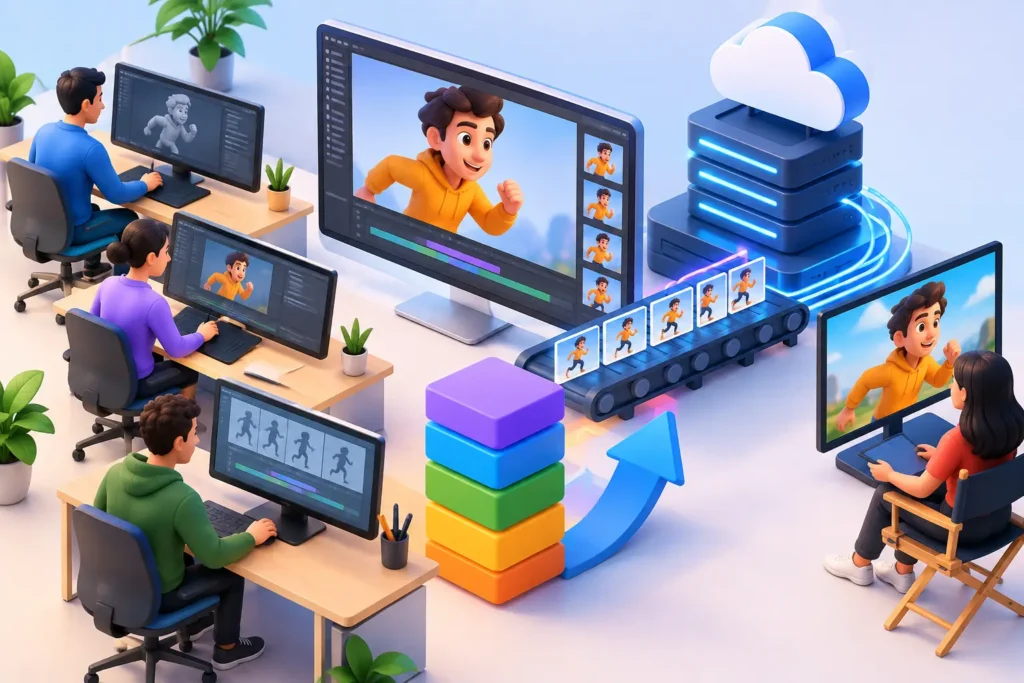
This is where an outsourced production partner can create real leverage. The right team brings modeling, animation, post-production, and workflow reliability together, which allows internal marketing and sales teams to move faster without sacrificing quality. For companies with fluctuating demand or limited in-house 3D capacity, that flexibility is often the deciding factor.
At 3D Modeling Animation Studio, this is exactly where outsourced production support becomes commercially useful. Brands do not just need animation. They need a dependable process that delivers accurate visuals on schedule and aligns creative execution with sales goals.
Common mistakes that limit sales impact
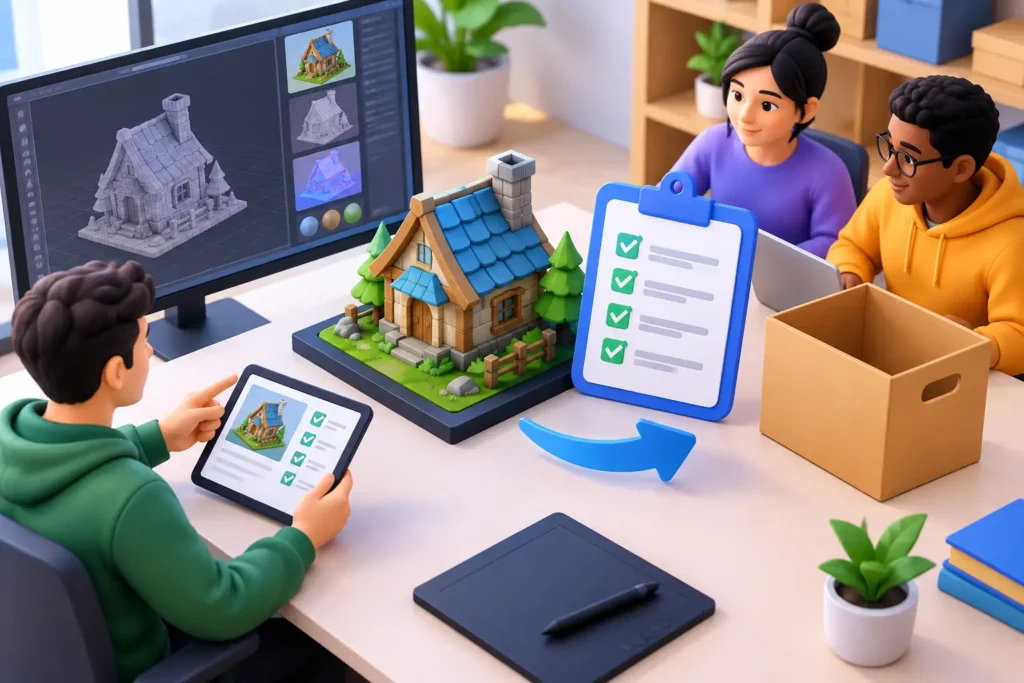
The most common mistake is leading with visual flair instead of buyer questions. If the animation looks impressive but leaves core objections unanswered, it will not do enough to support conversion.
Another mistake is trying to show everything. Overloaded animations become slower, harder to follow, and less persuasive. Stronger sales assets are selective. They focus on the few points that matter most to the buyer.
Finally, teams often underuse the content after production. If the animation lives only on one page or appears once during launch week, its value stays limited. Distribution planning matters. The asset should be designed for repeated use across the places where buying decisions actually happen.
The companies that get the best results from product animation treat it as part of a larger revenue system. They connect visual content to sales conversations, product education, market positioning, and buyer confidence. That is why it works. Not because animation is trendy, but because clear product communication sells better than confusion.
If your product is hard to explain, hard to demonstrate, or hard to differentiate, that is not a minor marketing issue. It is a sales issue. The right animation helps buyers understand faster, trust sooner, and move forward with fewer doubts.