A launch date moves up by three weeks, the product team adds new features, and marketing still needs polished visuals on time. That is usually when the real question behind in house vs outsourced animation shows up – not as a theory, but as a production decision with budget, staffing, and delivery risk attached.
For brands, agencies, studios, and production teams, this is rarely a simple either-or choice. The right model depends on how often you need animation, how specialized the work is, how much internal oversight you want, and how much operational flexibility matters to your business. If your pipeline needs to stay lean while output stays high, the wrong setup can slow approvals, inflate costs, and create avoidable quality gaps.
In house vs outsourced animation: what really changes
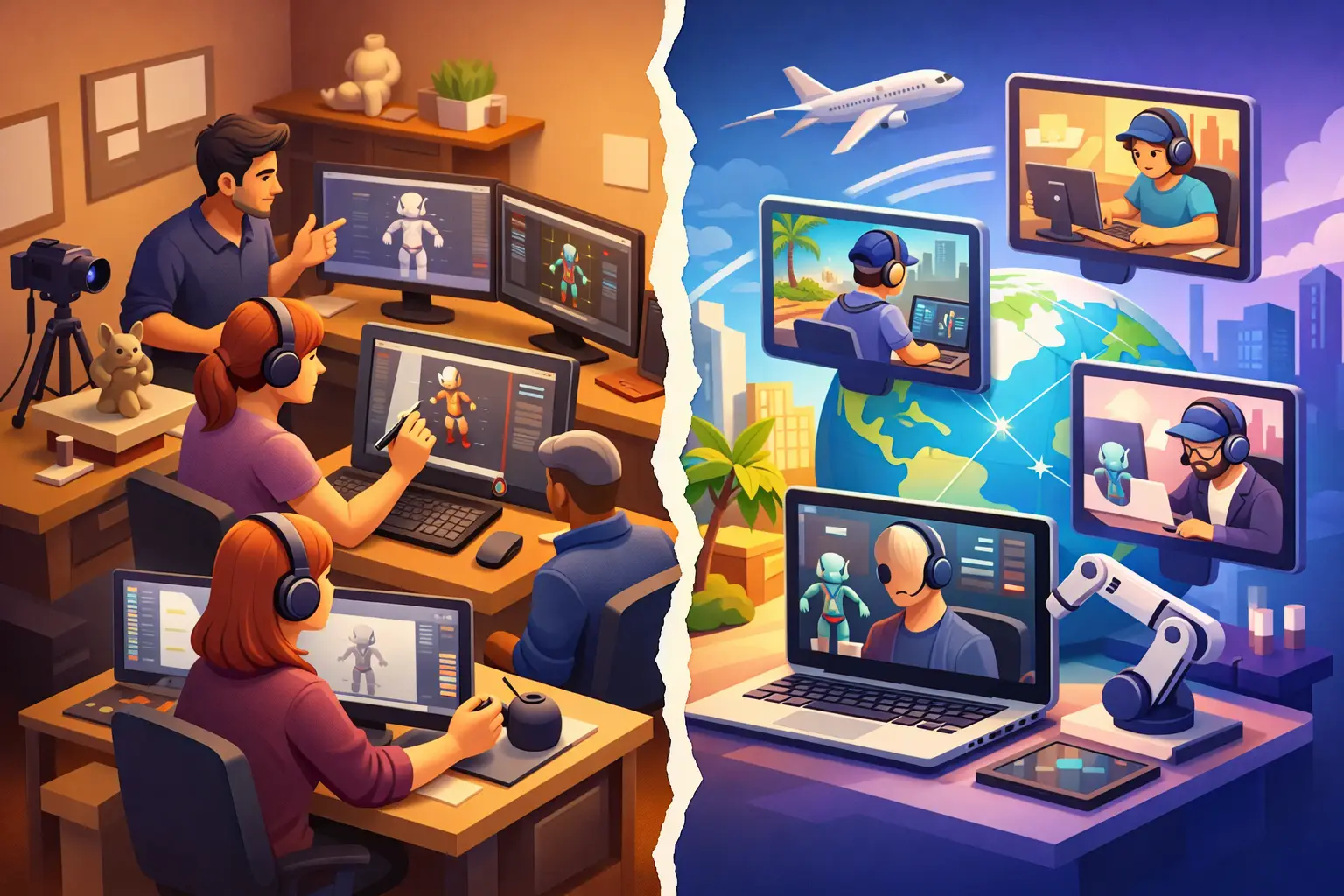
The biggest difference between in house vs outsourced animation is not just where the work gets done. It is how your production capacity is built, managed, and scaled.
An in-house team gives you dedicated talent under your direct supervision. Creative directors, marketers, product teams, and producers can collaborate in real time with artists who already understand the brand, internal systems, and approval process. That setup can work well when animation is a constant need and the volume is predictable.
Outsourced animation gives you access to external specialists who plug into your workflow for a project, campaign, or ongoing production support. Instead of carrying the fixed cost of a full internal department, you bring in the exact skills you need when you need them. For many businesses, that creates more room to manage fluctuating workloads without sacrificing output quality.
The practical question is not which model sounds better. It is which model supports your deadlines, budget structure, and production goals with less friction.
Cost is rarely as simple as salary vs vendor fee
Many teams assume in-house animation is cheaper over time because they are paying salaries rather than project rates. That can be true in high-volume environments where work stays consistent month after month. But internal production costs extend well beyond payroll.
Recruiting, onboarding, software licenses, hardware, benefits, management time, revision cycles, and downtime between projects all affect the true cost of an internal team. If you need modelers, riggers, animators, lighting artists, compositors, and editors, the cost structure grows fast. The more specialized the work, the more expensive it becomes to maintain that capability internally.
Outsourcing shifts many of those fixed costs into variable project spending. You pay for production capacity when there is active work to deliver. That can be a stronger financial model for companies with seasonal campaigns, product launches, client-based production schedules, or one-off technical animation needs such as medical visualization or architectural flythroughs.
That said, outsourcing is not automatically the cheapest option. If your vendor needs to spend significant time learning your brand, revising unclear briefs, or rebuilding assets from scratch for every assignment, costs can climb. Good outsourcing saves money when the scope is clear, the workflow is organized, and the partner has the technical depth to execute efficiently.
Speed depends on pipeline maturity, not just team location
A common argument for in-house production is speed. If the team sits inside your organization, communication should be faster and revisions should move quicker. In some cases, that is true. Internal teams often have immediate access to stakeholders, product updates, and brand guidance.
But speed comes from pipeline readiness, not simply proximity. A small internal team can become overloaded fast, especially when multiple departments compete for the same artists. Urgent requests pile up, rendering time becomes a bottleneck, and high-priority work pushes everything else back.
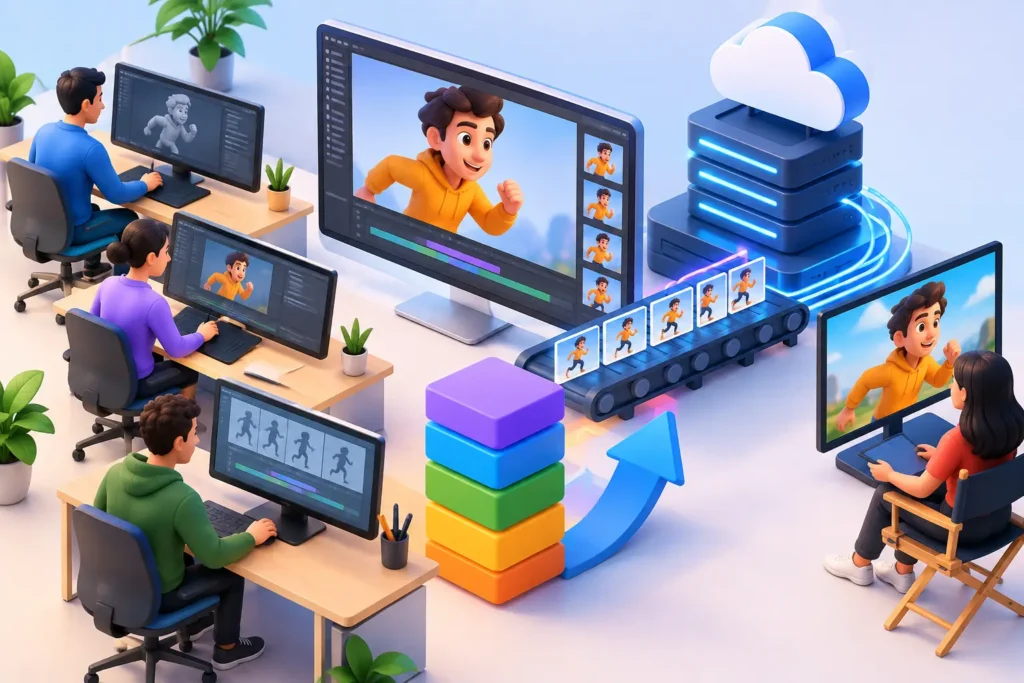
An outsourced partner can often move faster because the production infrastructure is already in place. Dedicated specialists, established workflows, and scalable capacity help external teams absorb spikes in demand without building from zero. For deadline-driven companies, that matters more than whether the artists are sitting in the next room.
The trade-off is that outsourced speed depends heavily on briefing quality and approval discipline. If feedback is delayed or scope changes are frequent, turnaround suffers. Fast outsourcing still requires strong client-side decision-making.
Control matters, but so does production burden
Control is one of the strongest reasons companies choose in-house animation. You can set priorities directly, monitor work in progress closely, and make real-time creative adjustments. For brand-sensitive campaigns or long-term series work, that level of oversight can be valuable.
However, more control also means more responsibility. Internal teams require scheduling, quality management, technical leadership, and ongoing utilization planning. If your business is not built to manage a full animation pipeline, in-house control can become operational drag.
Outsourcing reduces that burden when you work with a structured production partner. You still approve concepts, reviews, and final deliverables, but much of the day-to-day execution management sits with the vendor. That lets internal stakeholders focus on strategy, messaging, campaign alignment, and final decision-making rather than staffing details and technical troubleshooting.
This is where the quality of the partner matters most. A reliable outsourced team brings process clarity, milestone visibility, and consistent communication. Without that, outsourcing can feel like giving up control instead of extending capability.
Specialized projects often favor outsourcing
Not every animation brief needs the same skill set. A product demo, a medical animation, a cinematic environment build, and an architectural walkthrough all demand different technical and creative strengths.
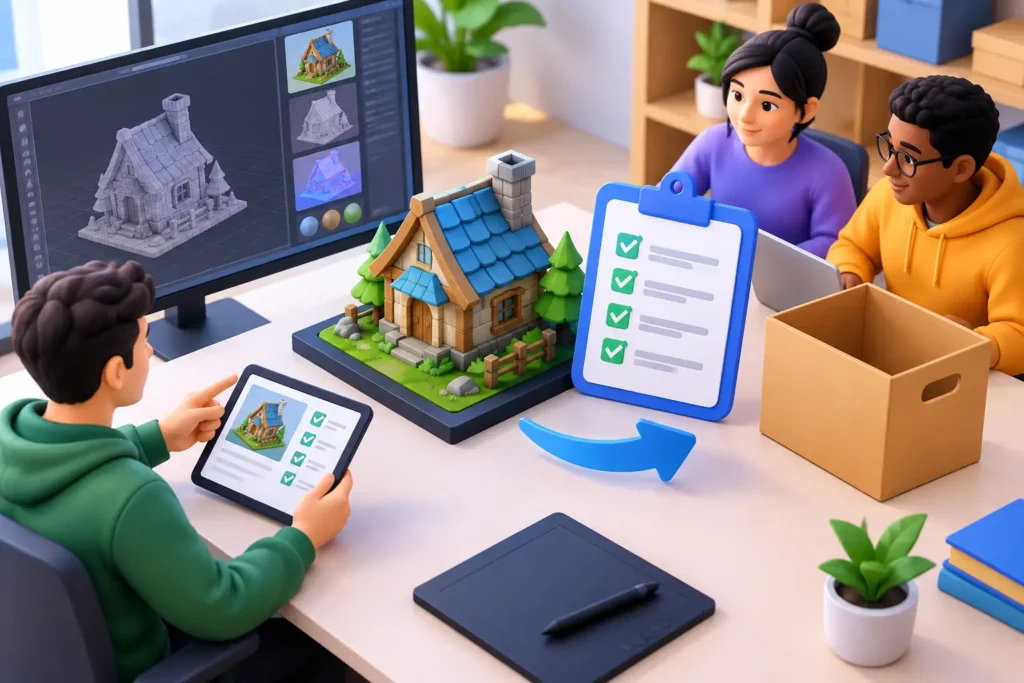
Building an internal team that covers every niche is difficult and expensive. Even strong in-house departments usually have gaps, especially in highly technical or infrequent project types. That is why outsourced animation often becomes the better choice for specialized work. You can access artists and production leads who already know the conventions, software workflows, and accuracy standards of that category.
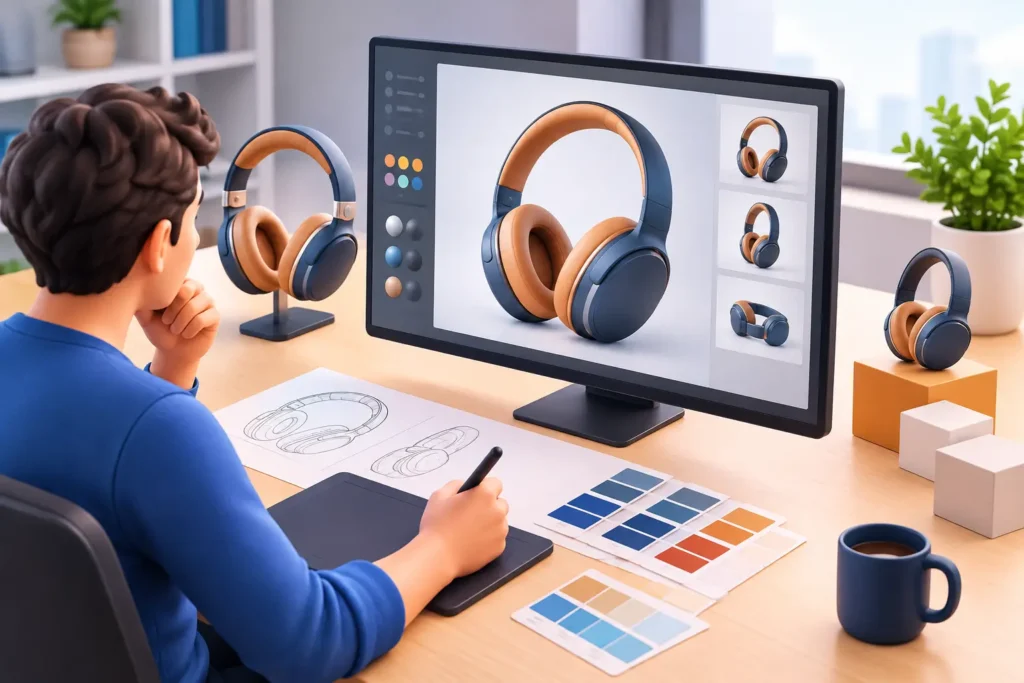
For example, a company may handle routine social animation internally but outsource advanced 3D product visualization or medical animation when precision and subject expertise are critical. That hybrid approach is often more efficient than forcing every project through the same internal resource pool.
Scalability is where outsourcing often wins
Most businesses do not have perfectly steady production demand. They have periods of normal activity followed by launches, presentations, pitch cycles, trade show prep, or content pushes that require a sudden jump in output.
In-house teams are harder to scale quickly. Hiring takes time, freelancers need management, and existing staff can only stretch so far before quality drops or deadlines slip. If your business faces variable workloads, internal headcount alone may not give you the flexibility you need.
Outsourced production is built for that kind of fluctuation. You can increase support when project volume rises and scale back when it slows down. That protects your internal structure from carrying excess overhead while still giving you access to professional animation capacity.
This is one reason many studios and brands work with outside partners even when they already have internal creative teams. Outsourcing is not always a replacement for in-house talent. Often, it is the pressure valve that keeps production moving.
So which model is the better choice?
If you produce animation continuously, need close daily collaboration, and have enough steady volume to justify a dedicated team, in-house can be a strong long-term investment. It offers direct oversight and deeper internal brand familiarity, especially when your creative roadmap is stable.
If your demand shifts, your projects require specialized expertise, or your internal team is already stretched, outsourcing is usually the more efficient model. It gives you faster access to skilled production support without the delay and cost of expanding headcount.
For many organizations, the best answer to in house vs outsourced animation is a blended model. Keep core brand stewardship, strategy, and selective creative direction inside the business. Then use an expert external team to handle overflow, technical execution, or project-specific production at scale.
That approach gives you control where it matters and flexibility where it pays off. It also reflects how modern production teams actually operate. Efficiency is not about doing everything internally. It is about building a delivery model that can keep pace with demand, maintain quality, and support commercial goals without breaking your timeline or budget.
If your team is spending more time managing production limitations than moving projects forward, that is usually the signal. The right animation model should not just produce assets. It should give your business more room to execute with confidence.