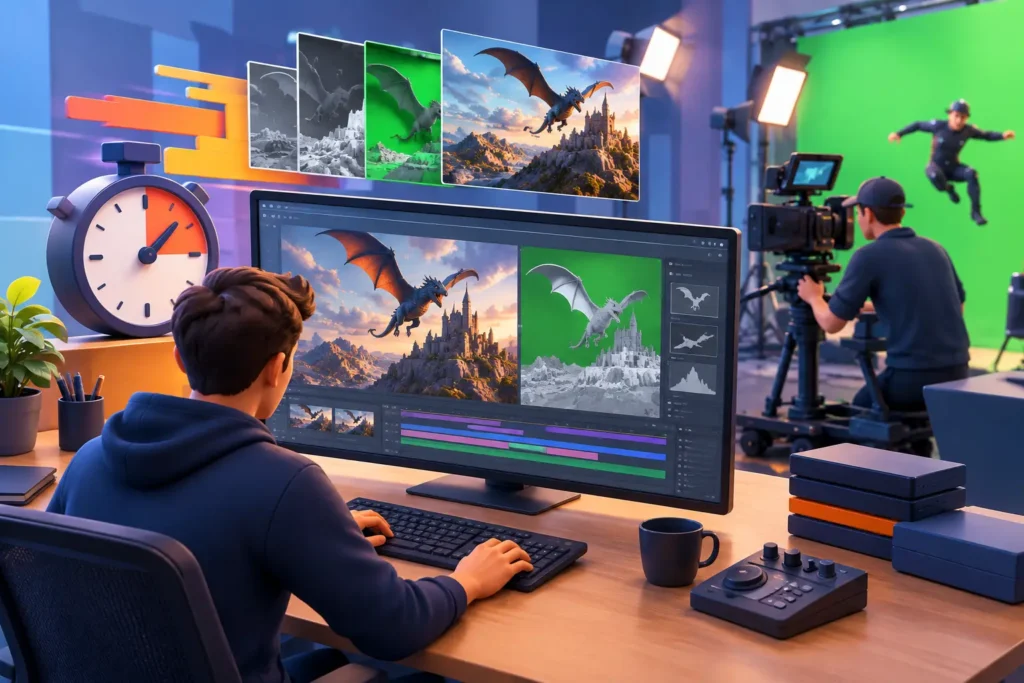
A launch date moves up by three weeks, the internal team is already at capacity, and the campaign still needs product visuals, motion graphics, and final edits. That is usually when companies start asking when do companies outsource animation, not as a theory, but as a real production decision tied to budget, speed, and delivery risk.
For most businesses, outsourcing animation is not a last resort. It is a practical way to add specialized talent, increase throughput, and keep quality consistent without building a larger in-house department. The timing depends on what the company is making, how often demand changes, and whether internal resources can support the scope.
When do companies outsource animation most often?
Companies outsource animation when the work becomes too complex, too specialized, too time-sensitive, or too inconsistent to manage efficiently in-house. That applies to brands launching new products, agencies handling multiple client campaigns, architecture firms presenting concepts, and production companies managing packed schedules.
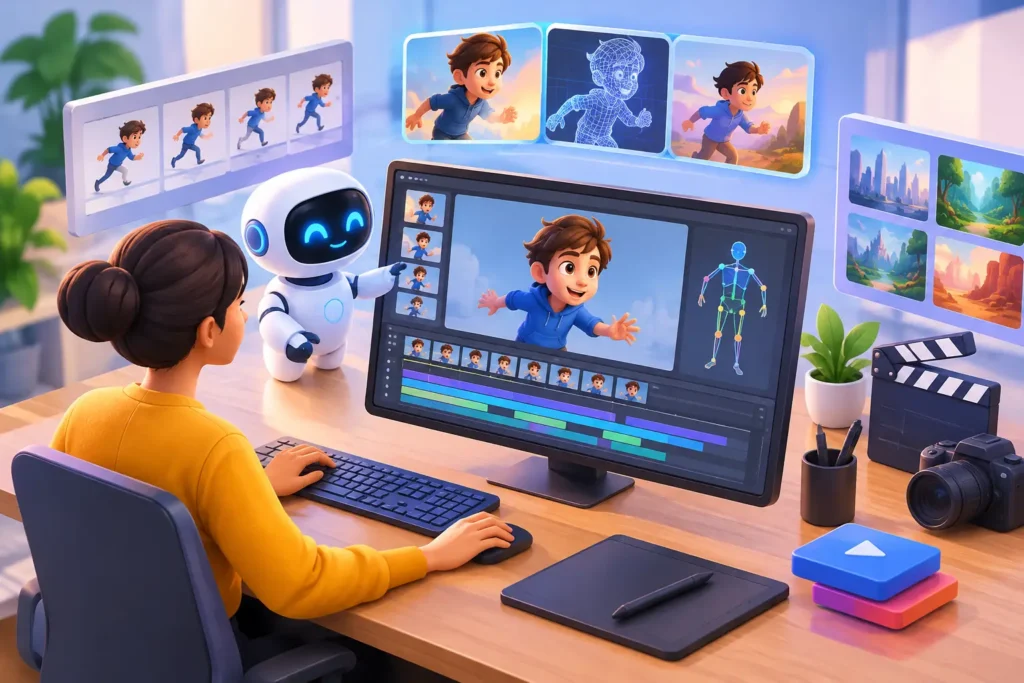
The most common trigger is capacity. An internal creative team may be strong at brand design or video production, but animation work can pile up quickly. A single campaign might require modeling, texturing, rigging, lighting, simulation, animation, compositing, and revisions across multiple outputs. If the team cannot absorb that workload without slowing other priorities, outsourcing becomes the better operational choice.
Another common trigger is specialization. A company may only need medical animation, architectural visualization, or high-end product rendering a few times a year. Hiring full-time specialists for occasional work rarely makes financial sense. In that case, outsourcing gives the business access to proven technical skills exactly when needed.
There is also a strategic reason. Some companies use external animation partners not because they lack internal capability, but because they want flexibility. They keep concept development, brand direction, and approvals in-house while shifting production-heavy execution to an outside team built for scale.
The business case behind outsourced animation
Animation is resource-intensive. It requires software, hardware, production management, and experienced artists who can move from concept to final delivery without quality dropping midway through the process. For many organizations, the real question is not whether outsourcing is possible. It is whether keeping everything internal is the most efficient use of time and cost.
In-house teams come with fixed overhead. Salaries, recruiting, training, equipment, software licenses, and idle time between projects all add up. Outsourcing shifts much of that fixed cost into project-based spending. That gives decision-makers more control, especially when animation needs fluctuate throughout the year.
Speed is another major factor. External teams that work in 3D production every day typically have established workflows for reviews, file handoff, render management, and post-production. That structure can reduce bottlenecks and help projects move faster, particularly when deadlines are aggressive.
There is a quality benefit too, but only when the partner is the right fit. A dedicated outsourced team often brings broader technical exposure across industries and styles. That experience matters when the deliverable must look polished, perform well commercially, and meet highly specific production standards.
Signs it is time to outsource animation
The clearest sign is simple: your team is missing deadlines or turning down work because production capacity is too tight. That problem tends to show up first in revision rounds, delayed approvals, or rushed finishing. If animation projects consistently strain schedules, the issue is not only creative. It is operational.
A second sign is inconsistent demand. Many companies do not need a full-time 3D team every month. They may need heavy support during a product launch, a seasonal campaign, a pitch cycle, or a film production phase, then very little for weeks afterward. Outsourcing fits that uneven rhythm better than permanent hiring.
A third sign is technical complexity. If the project requires advanced rigging, fluid simulation, photoreal rendering, environment modeling, or industry-specific visuals such as medical or architectural animation, an external specialist can reduce risk. The more technically precise the job, the more important experience becomes.
Budget structure is another consideration. Some companies have funding for project delivery but not for headcount expansion. In that scenario, outsourcing is often easier to approve internally because it supports a defined business outcome without adding long-term staffing commitments.
When do companies outsource animation by industry?
Different sectors reach this decision for different reasons.
In product marketing, companies outsource animation when they need launch-ready visuals before physical products are available, or when they want clean, repeatable 3D assets for ads, ecommerce, and trade presentations. The value is speed, consistency, and the ability to repurpose assets across channels.
In film, TV, and entertainment, outsourcing often supports overflow production. Studios may have strong internal leads and supervisors, but outsource shots, environment builds, rigging, or cleanup work when schedules tighten. It is less about replacing the core team and more about extending it.
In architecture and real estate, firms outsource animation when they need photoreal walkthroughs, exterior flyovers, or environment modeling that supports sales, approvals, or investor presentations. These teams usually need precision and presentation quality, but not a permanent in-house animation department.
In medical, industrial, and technical sectors, outsourcing is often driven by expertise. Complex visual communication demands a team that understands both animation and the subject matter well enough to represent processes accurately.
What companies should keep in-house
Outsourcing works best when companies know what should remain internal. Brand positioning, strategic messaging, audience insight, and final decision-making usually belong with the client. Those elements shape the animation and protect business goals.
Production execution is often what gets outsourced most effectively. Modeling, rigging, scene building, animation, rendering, compositing, and post-production can be handled externally as long as the brief is clear and approvals are structured properly.
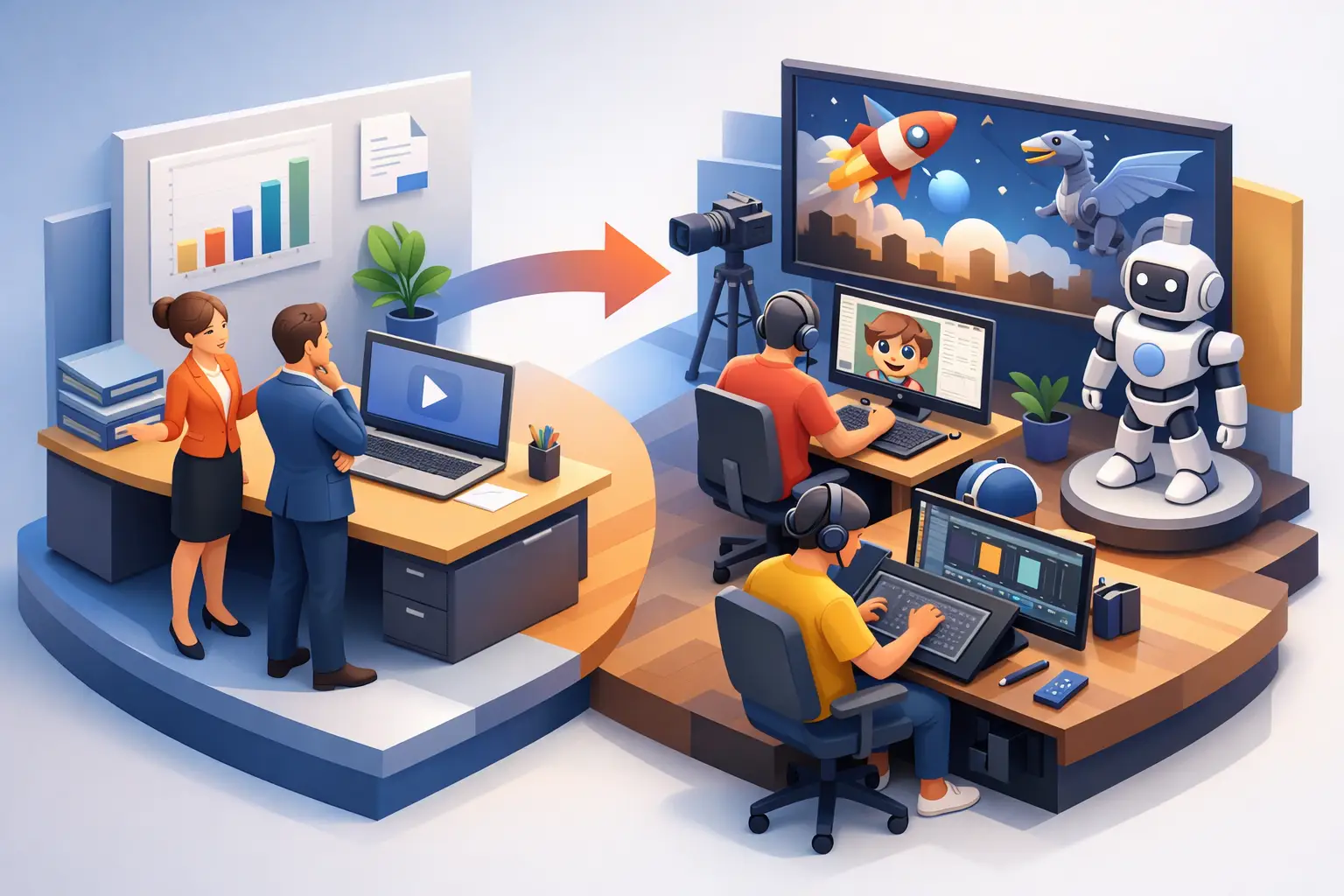
This split matters. Companies get the best results when they treat an outsourced team as a production partner, not just a vendor waiting for files. Internal teams guide the business intent. External specialists handle the execution at a higher volume or deeper technical level.
The trade-offs companies should consider
Outsourcing is not automatically the right answer for every animation need. If projects are constant, highly confidential, and central to a company’s daily operations, building more internal capability may be justified. An in-house team can offer tighter real-time collaboration and stronger long-term brand familiarity.
There is also an onboarding curve with any external partner. Style references, file standards, review expectations, and communication rhythms need to be aligned early. If the brief is vague or approvals are slow, outsourcing will not fix the underlying process problem.
Time zone differences can be an advantage or a complication depending on how the project is managed. Global production support can speed delivery, but only when communication is disciplined and milestones are well defined.
The real trade-off is control versus flexibility. In-house teams give day-to-day proximity. Outsourced teams give scalability, specialized skill sets, and production efficiency. The right choice depends on the volume, complexity, and urgency of the work.
How smart companies make outsourcing work
The strongest outsourcing relationships start with a clear scope. Companies that get reliable results define the deliverables, reference quality, timeline, technical requirements, and revision process before production begins. That removes ambiguity and protects turnaround.
They also choose partners based on workflow strength, not just visuals. A polished showreel matters, but so do file organization, communication habits, review structure, and the ability to adapt to client-side changes without losing momentum.
A capable partner should be able to support more than one stage of production if needed. That is especially valuable when projects expand. A team that can handle modeling, animation, rendering, and post-production under one roof reduces handoff friction and helps maintain consistency.
This is where a studio such as 3D Modeling Animation Studio can be a strong fit for brands and production teams that need dependable external capacity, technical depth, and commercially focused execution across multiple visual formats.
When do companies outsource animation for long-term growth?
Many companies start outsourcing because of a deadline. The smarter ones continue because the model supports growth. Once a business sees that external animation support can expand production without expanding overhead at the same pace, outsourcing becomes part of the operating strategy.
That is especially true for companies managing multiple campaigns, regional launches, or ongoing content needs. Instead of rebuilding the team every time demand rises, they rely on a trusted external partner that can scale with the workload.
The best time to outsource animation is before production pressure turns into missed opportunity. If your team needs more capacity, more specialization, or more speed than internal resources can realistically provide, outsourcing is not a compromise. It is a practical way to keep quality high while moving the business forward.