A product animation falls flat when the setting feels fake. An architectural flythrough loses credibility when the site lacks depth, scale, or material realism. That is why understanding what is environment modeling matters for any business investing in 3D content. It is not just background art. It is the digital construction of spaces that make a scene believable, functional, and commercially effective.
What Is Environment Modeling?
Environment modeling is the process of creating 3D spaces and surrounding visual elements for animation, rendering, games, film, architecture, and product presentation. These environments can be realistic, stylized, futuristic, medical, industrial, or completely fictional, but the purpose stays the same: build a convincing world around the subject.
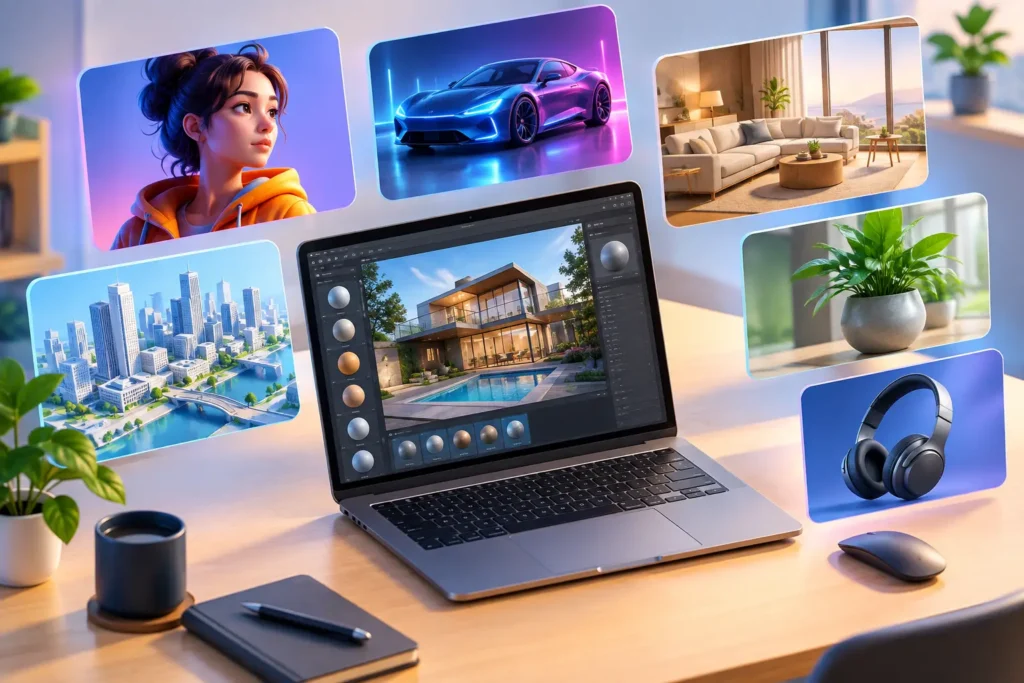
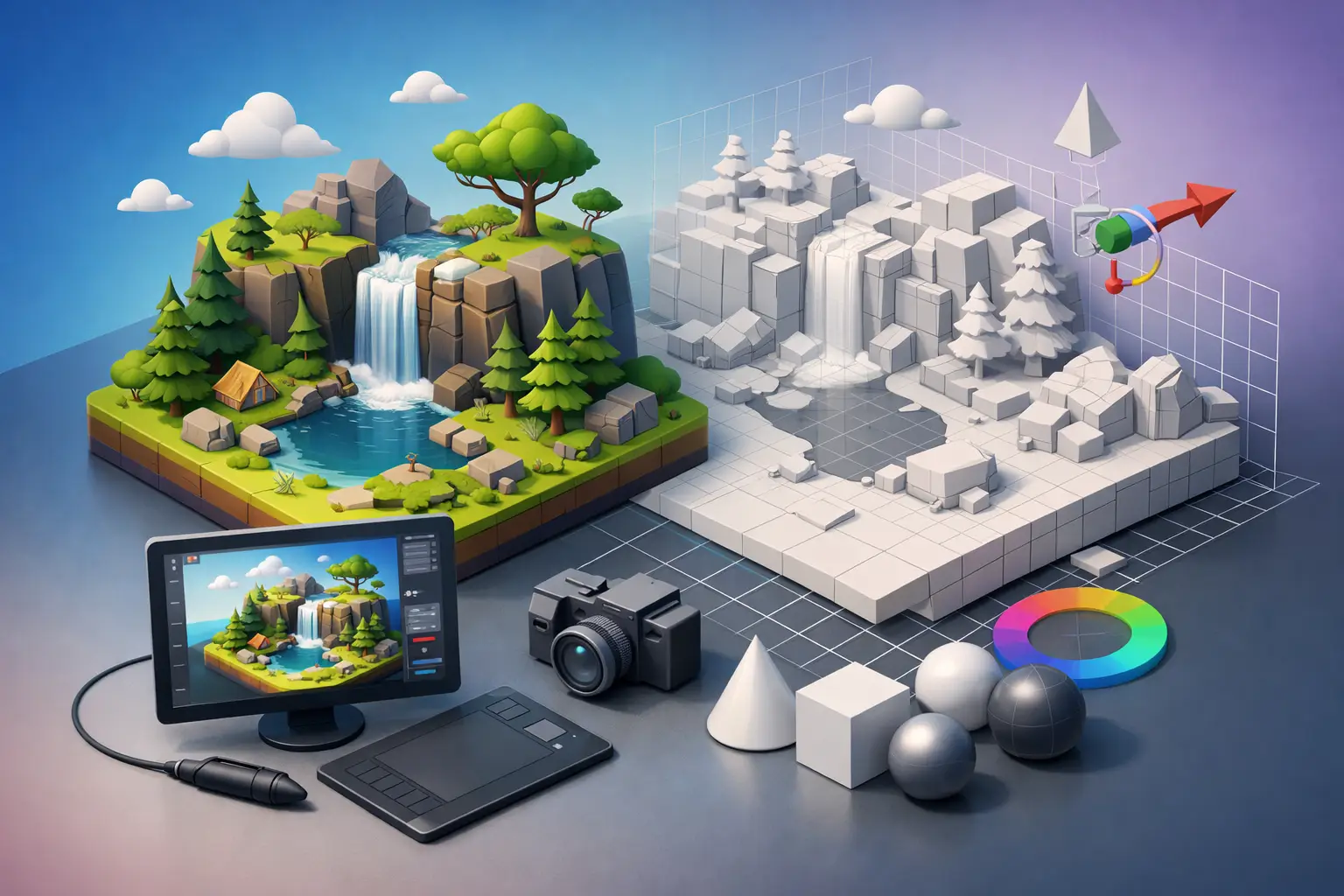
In practical terms, that world may include buildings, roads, landscapes, interiors, factory floors, retail spaces, natural terrain, props, lighting-ready geometry, and supporting assets that give context to the final visual. If a hero product is placed in a modern kitchen, if a medical animation takes place inside a clinical facility, or if a vehicle reveal happens in a dramatic urban scene, environment modeling is what makes that setting possible.
For clients, this work affects far more than aesthetics. It influences how clearly the audience understands scale, function, quality, and mood. A strong environment supports the message. A weak one distracts from it.
Why Environment Modeling Matters in Commercial Production
For business buyers, the value of environment modeling is straightforward. It helps sell the idea, not just show the object. A standalone 3D model can demonstrate form, but an environment demonstrates use, context, and relevance.
That difference matters in marketing, architecture, entertainment, and technical communication. A product company may need an aspirational setting that positions its item as premium. An architect may need a site model that communicates traffic flow, material relationships, and human scale. A production studio may need a full background world that supports animation without slowing down the pipeline.
Environment modeling also improves production flexibility. Once a 3D environment is built correctly, teams can generate still renders, animated sequences, alternate camera angles, and revised layouts without rebuilding everything from scratch. That is one reason outsourced 3D production often makes financial sense. The asset can continue working across multiple deliverables.
What Is Included in Environment Modeling?
The scope depends on the project, but environment modeling usually includes the structural and visual components that define a space. This can range from a simple interior room to a highly detailed city block or industrial complex.
At the core is geometry creation. Artists build walls, floors, terrain, buildings, vegetation, streets, fixtures, furniture, or specialized objects based on the project brief. Then comes surface detail, where materials, textures, and finishes help communicate realism or style. A polished concrete floor, brushed metal machine housing, landscaped exterior, or weathered brick facade each require different treatment.
The environment often includes supporting props as well. These are the secondary assets that make a scene feel used and believable, such as shelving, signage, medical tools, vehicles, packaging, or office equipment. On some projects, these details are minimal. On others, they carry much of the scene’s authenticity.
There is also a technical layer. Environments need clean topology, efficient asset organization, correct scaling, and optimization for the final use case. A cinematic sequence allows for different asset density than a real-time experience. A still rendering can prioritize detail differently than an animated walkthrough. Good environment modeling is never just visual. It is built for the production pipeline it serves.
How the Process Typically Works
The strongest environment modeling starts with a clear production goal. Before any asset is built, the team needs to understand the final output, the audience, the camera behavior, and the level of realism required.
Concept and reference gathering
This phase establishes the look and function of the space. It may involve sketches, mood references, CAD files, architectural plans, product specifications, or storyboard direction. For commercial work, this step is where business objectives should be made explicit. Is the environment meant to feel luxurious, clinical, futuristic, durable, or approachable? Each choice affects design decisions.
Blocking and layout
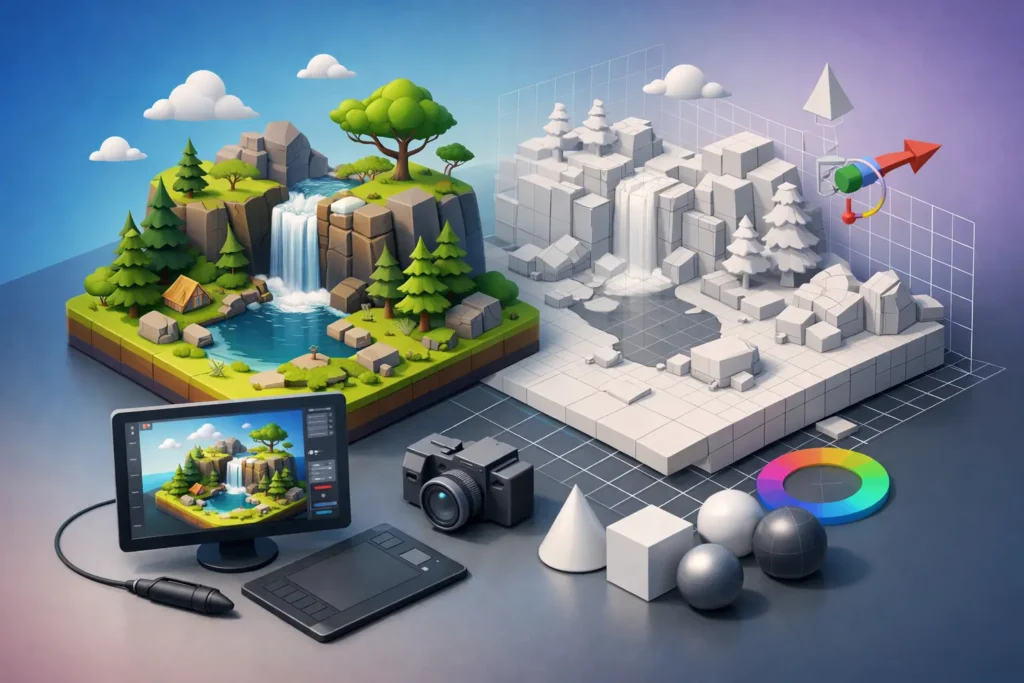
Artists then create the basic structure of the environment. This includes scale, proportions, key objects, circulation paths, and camera-friendly composition. At this stage, the focus is not on fine detail. The goal is to make sure the space works.
This is one of the most important checkpoints in the pipeline because revisions are faster here than later. If the environment does not support the product, story, or camera movement, detail will not fix it.
Asset development and detailing
Once the layout is approved, the team builds the environment components to the required level of finish. Major structures come first, then secondary objects, then small props and surface refinements. Materials and textures are applied based on the final visual style.
For high-end animation or photoreal rendering, this phase may become very detailed. For example, an exterior architectural environment may include surrounding roads, landscape grading, exterior furniture, site lighting, and neighboring context models. A medical or industrial environment may require accuracy that goes beyond visual appeal and into operational credibility.
Optimization and delivery prep
The environment is then prepared for rendering, animation, or integration into broader production. This can include polygon reduction, UV cleanup, naming conventions, scene organization, and compatibility checks with the target software pipeline.
That last step matters more than many buyers realize. An environment that looks good but arrives disorganized can create delays downstream. A production-ready asset saves time for everyone involved.
Environment Modeling vs. Other 3D Services
Clients sometimes use 3D terminology broadly, but environment modeling is distinct from object modeling, character modeling, and rendering.
Object modeling focuses on individual items such as a product, machine part, or piece of furniture. Character modeling is centered on people, creatures, or figures. Rendering is the image-generation stage that turns the 3D scene into final visual output. Environment modeling sits between design and presentation. It creates the world those assets exist in.
There is overlap, of course. A full production project may combine all of these disciplines. But if the challenge is building a believable setting that supports storytelling, brand presentation, or spatial understanding, environment modeling is the specialized task.
Where Businesses Use Environment Modeling
Environment modeling serves a wide range of industries because so many visual problems are really context problems.
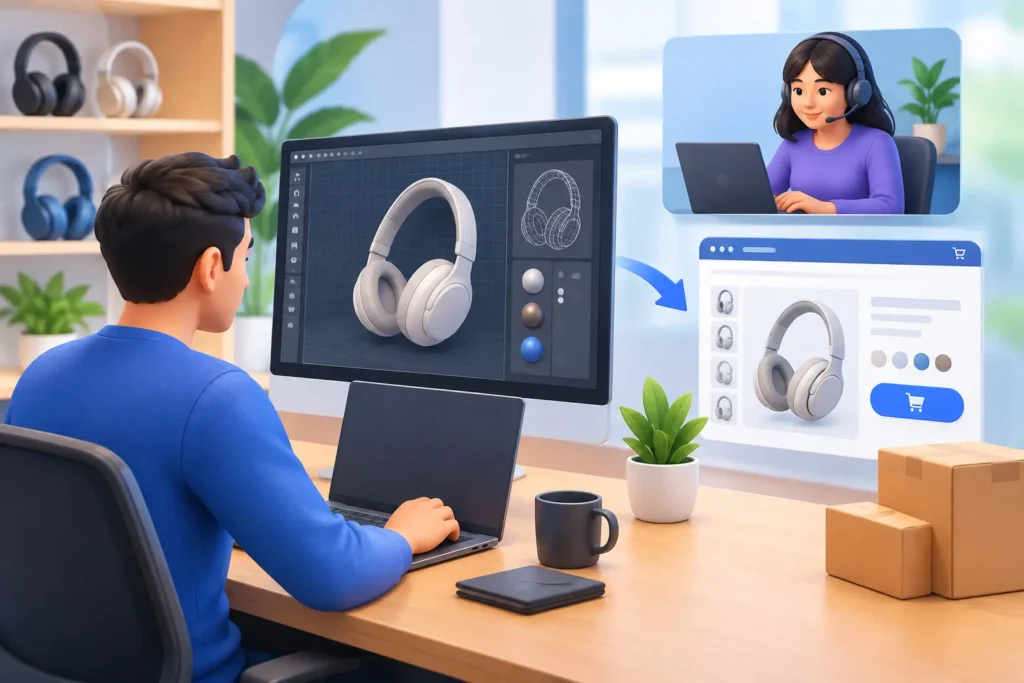
In product marketing, brands use custom environments to place products in aspirational, lifestyle-driven, or technically precise settings. This helps audiences imagine ownership and usage. In architecture and real estate, environment modeling supports exterior renderings, interiors, site plans, and walkthroughs that communicate design intent before construction begins.
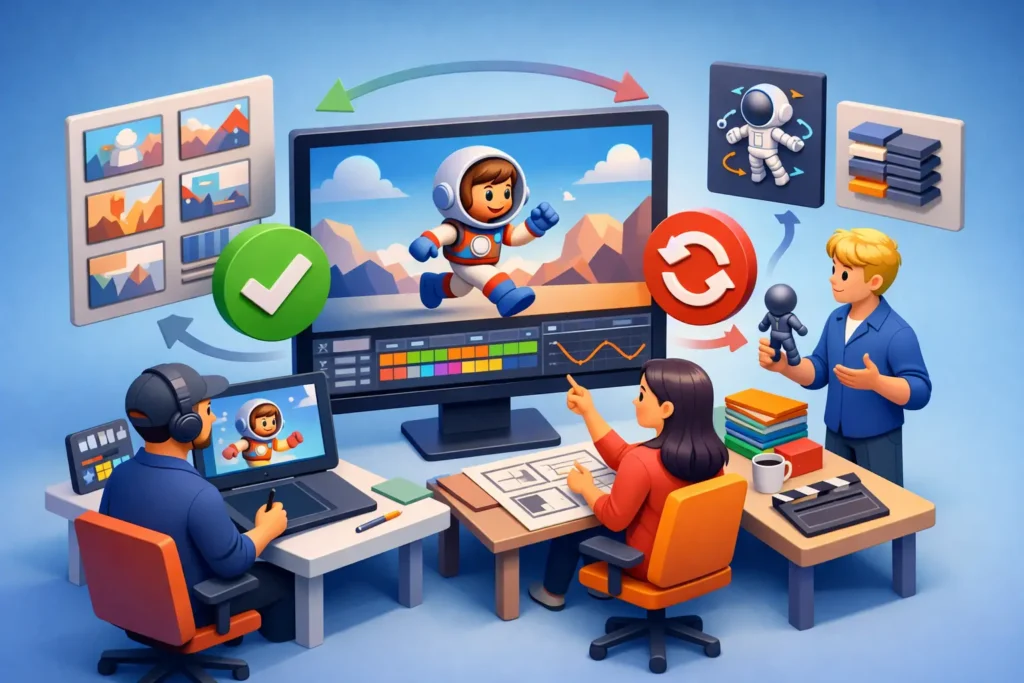
In film, TV, and animation, environments create the visual world around the action. In medical animation, they help explain procedures, equipment use, or care settings with greater clarity. In manufacturing and industrial communication, they allow companies to visualize plants, workflows, equipment placement, or operational scenarios that would be expensive or impractical to film live.
The use case changes, but the business value is consistent: better communication, stronger visuals, and more control over production.
What Separates Average Work From Production-Ready Work
A basic environment can be modeled by many artists. A production-ready environment requires a team that understands both visual quality and workflow discipline.
The difference usually shows up in four areas: scale accuracy, material realism, scene efficiency, and alignment with project goals. An environment may look attractive in a single still image but fail under animation, alternate camera angles, or revision demands. That is where experience matters.
There are trade-offs in every project. Higher detail improves realism, but it can increase render time and cost. Fast turnaround is possible, but only when the scope is defined properly. Stylized environments can reduce complexity, but they still need internal consistency. The right solution depends on where the environment will be used and how long the asset needs to remain useful.
For that reason, many companies choose an outsourced team with specialized capacity rather than trying to assemble the process internally. A focused production partner can scale resources, match the technical standard to the deliverable, and keep the work moving without adding permanent overhead. For brands and studios managing fluctuating demand, that model is often the more efficient choice.
What to Look for in an Environment Modeling Partner
If you are sourcing this service, look beyond sample visuals. Ask how the team handles references, revisions, asset organization, and final delivery requirements. Make sure they understand whether the environment is for a marketing render, an animated sequence, a real-time application, or an architectural presentation.
You also want clarity on scope. Does the work include terrain, props, texturing, lighting support, and optimization, or only base geometry? Misalignment here is one of the most common causes of timeline and budget friction.
An experienced team should be able to explain its process clearly, identify production risks early, and adapt the environment to your output goals. That is where a service-led studio such as 3D Modeling Animation Studio brings value – not only by building visually strong environments, but by delivering them in a way that supports broader production demands.
When the setting is built with the same care as the main subject, the final visual does more than look polished. It gives your audience a world they can believe in.