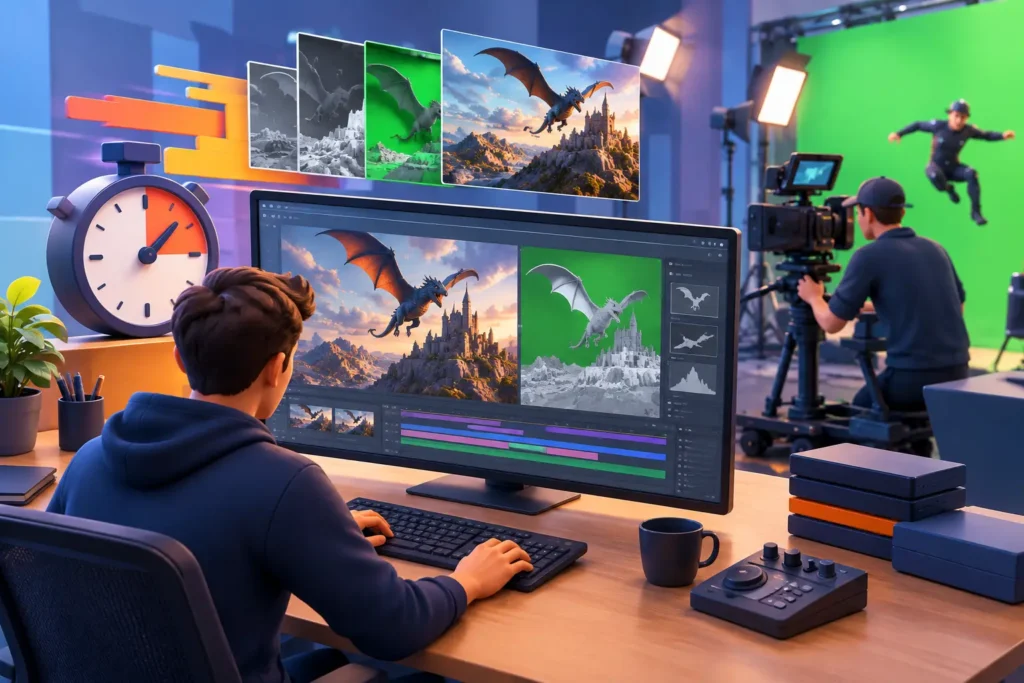
Deadlines usually get tighter right when the stakes get higher. A product launch moves up, investor presentations need stronger visuals, a marketing team needs campaign assets in multiple formats, or a production house suddenly needs overflow support. In those moments, fast turnaround animation services are not a convenience. They are a production requirement.
The challenge is that speed alone does not solve anything if the work comes back inconsistent, technically flawed, or disconnected from the project goal. Business buyers are not just looking for quick files. They need a production partner that can move fast, stay organized, and deliver animation that is commercially usable from day one.
What fast turnaround animation services really mean
Fast delivery in animation is often misunderstood. It does not simply mean compressing every stage and hoping the team can catch up in post. It means building a workflow that is designed for efficiency before production even starts.
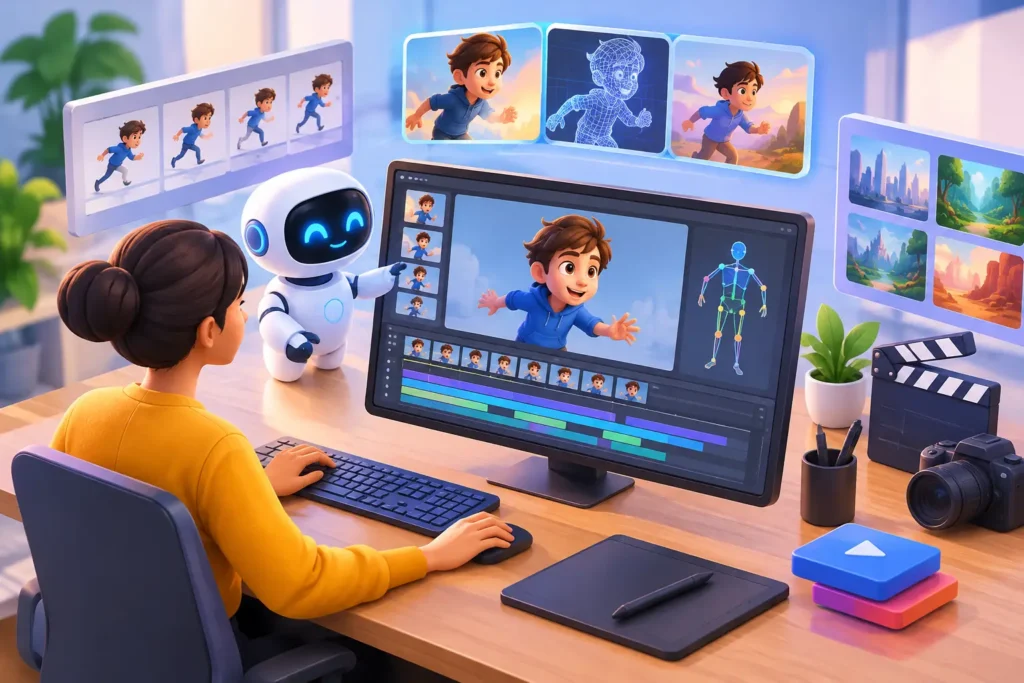
That includes clear briefing, realistic scope control, experienced artists, reliable review cycles, and the ability to manage multiple disciplines under one roof. If modeling, rigging, animation, lighting, rendering, and editing are handled in disconnected silos, schedules slip quickly. When those services are coordinated as part of one production process, turnaround improves without creating the same level of downstream risk.
For brands, studios, architects, and product companies, this distinction matters. A rushed animation that needs major revisions after delivery costs more than a properly managed fast-track production. The best fast turnaround animation services are built around predictability as much as speed.
Why companies need fast turnaround animation services
Most clients are not looking for rush support every day. What they need is flexible capacity when timelines compress and internal teams cannot absorb the volume.
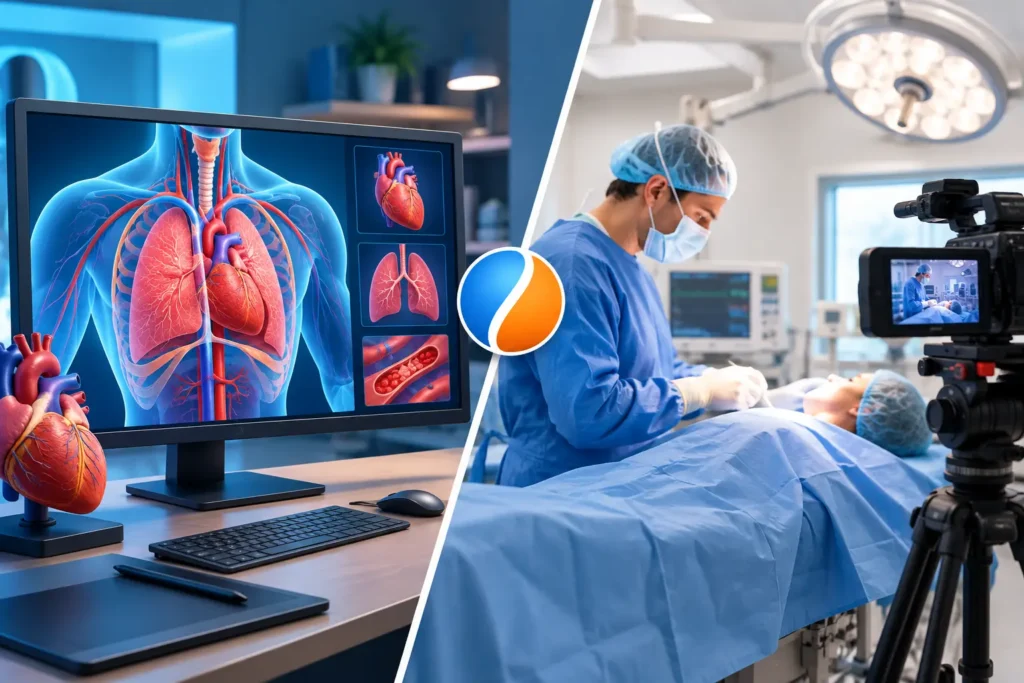
A marketing department may need product animations for a launch window that cannot move. An architectural firm may need visual assets for a client presentation with a fixed approval date. A medical company may need technically accurate animation for a trade show or sales rollout. A studio may need external support to keep episodic or commercial production on schedule.
In each case, the pressure is slightly different, but the operational problem is the same. Internal resources are limited, deadlines are fixed, and visual quality still has to meet professional standards. That is where outsourced animation support becomes a practical business decision rather than a backup plan.
Where speed comes from in production
Fast timelines are not achieved by asking artists to work harder at the last minute. They come from production structure.
A capable team moves faster because it knows how to front-load decision-making. The brief gets clarified early. Asset requirements are identified before animation begins. Style references, output specs, frame ranges, and approval checkpoints are set at the start instead of halfway through. This reduces revision loops, which are one of the biggest causes of delay.
Technical depth also matters. Teams with strong 3D modeling, rigging, animation, and post-production experience can solve problems without escalating every issue into a schedule blocker. If a product model needs cleanup, a rig needs adjustment, or render settings need optimization, experienced specialists can address it quickly while keeping the project moving.
Pipeline familiarity is another major factor. Teams that regularly handle outsourced production know how to work within client brand guidelines, handoff requirements, and compressed review cycles. They are not learning how to manage external collaboration while your deadline is already active.
Fast turnaround does not mean every project should be rushed
This is where smart buyers ask the right questions. Not every animation project is a good fit for an accelerated schedule, and a reliable production partner should be clear about that.
Short-form product visualization, motion graphics support, explainer animation, architectural flythroughs, and certain CGI marketing assets can often be produced on a compressed timeline if the scope is defined well. Highly complex character animation, advanced simulation work, detailed cinematic sequences, or projects with evolving creative direction usually require more time.
There is always a trade-off between speed, complexity, and revision flexibility. If the project needs all three – high complexity, very fast delivery, and unlimited creative exploration – the process becomes unstable. Strong studios manage expectations early so clients can prioritize what matters most. Sometimes the answer is a phased rollout. Sometimes it is narrowing the first deliverable and expanding later. That kind of planning protects both quality and timeline.
What to look for in a fast-turnaround animation partner
The strongest vendors do more than say yes quickly. They show how the work will move from brief to delivery.
Look for process transparency. You should know what inputs are needed, when approvals happen, who owns revisions, and how file delivery will be managed. Fast projects fail when communication is vague.
Look for service range. If your animation depends on upstream modeling, texturing, rigging, environment development, rendering, or editing, it helps to have one partner managing the chain instead of handing work between multiple providers.
Look for technical discipline. Speed can expose weak production habits. Naming issues, inconsistent scene setup, missing source files, and poor render management all create avoidable delays. A serious outsourced team works cleanly because clean production is what keeps timelines under control.
Look for scalability. If your needs shift from a single animation to a larger batch of assets, the team should be able to expand support without rebuilding the process from scratch.
How outsourced teams keep quality high under tight deadlines
Quality under pressure depends on reducing uncertainty. That starts with a strong intake process. When references, dimensions, script direction, brand standards, and output specs are documented early, the team can make faster production decisions with fewer assumptions.
Review structure is just as important. Fast projects need milestone approvals that are decisive. If clients wait until final delivery to comment on style, pacing, or accuracy, schedules unravel. The right partner sets checkpoints that catch issues while they are still easy to fix.
Specialization plays a major role too. A generalist can be helpful on smaller jobs, but fast commercial production often benefits from dedicated experts. A modeler, animator, lighting artist, and editor working in sync can move more efficiently than one person trying to cover every stage at once.
This is one reason businesses often choose a studio model over freelance patchwork. A coordinated outsourced team can absorb complexity without losing accountability. For companies that need dependable external capacity, that matters more than simply finding the lowest bid.
Fast turnaround animation services across industries
Different industries define urgency differently, but the production need is similar.
In product marketing, speed usually connects to launch timing, campaign rollout, and content volume. Teams need accurate 3D visuals that can be repurposed across ads, social content, presentations, and ecommerce support.
In architecture, timing is often tied to approvals, investor decks, and client presentations. Fast visual delivery helps firms communicate concepts clearly while projects are still moving through decision stages.
In film, TV, and entertainment, turnaround pressure often comes from overflow production needs. External animation support helps studios maintain continuity when schedules compress or internal teams are fully allocated.
In medical and technical sectors, speed has to coexist with accuracy. That makes process discipline even more important. A fast output is only useful if it still meets subject matter and compliance expectations.
Why the right workflow is a competitive advantage
For many companies, animation is no longer a one-off creative asset. It is part of ongoing sales, marketing, product education, and production strategy. That changes how buyers evaluate vendors.
They are not just asking whether a studio can produce good-looking animation. They are asking whether that team can consistently support business timelines, adapt to fluctuating demand, and deliver assets that fit real commercial use cases. This is where experienced outsourced partners create value. They remove bottlenecks without forcing clients to build large internal departments around inconsistent project volume.
At 3D Modeling Animation Studio, this kind of support is valuable because clients often need more than a single animation task. They need production capacity across modeling, rigging, animation, rendering, and post, with delivery schedules that align with business realities.
The real question is not how fast
The better question is how fast can the work be delivered well. That is what separates dependable animation vendors from teams that simply promise aggressive timelines.
If you are evaluating fast turnaround animation services, focus on workflow maturity, communication discipline, and technical depth. A partner that can move quickly while staying accurate, organized, and commercially focused will save more time than one that rushes the first pass and slows everything down later.
When timing matters, the best production partner is the one that helps you hit the deadline without making the deadline the problem.